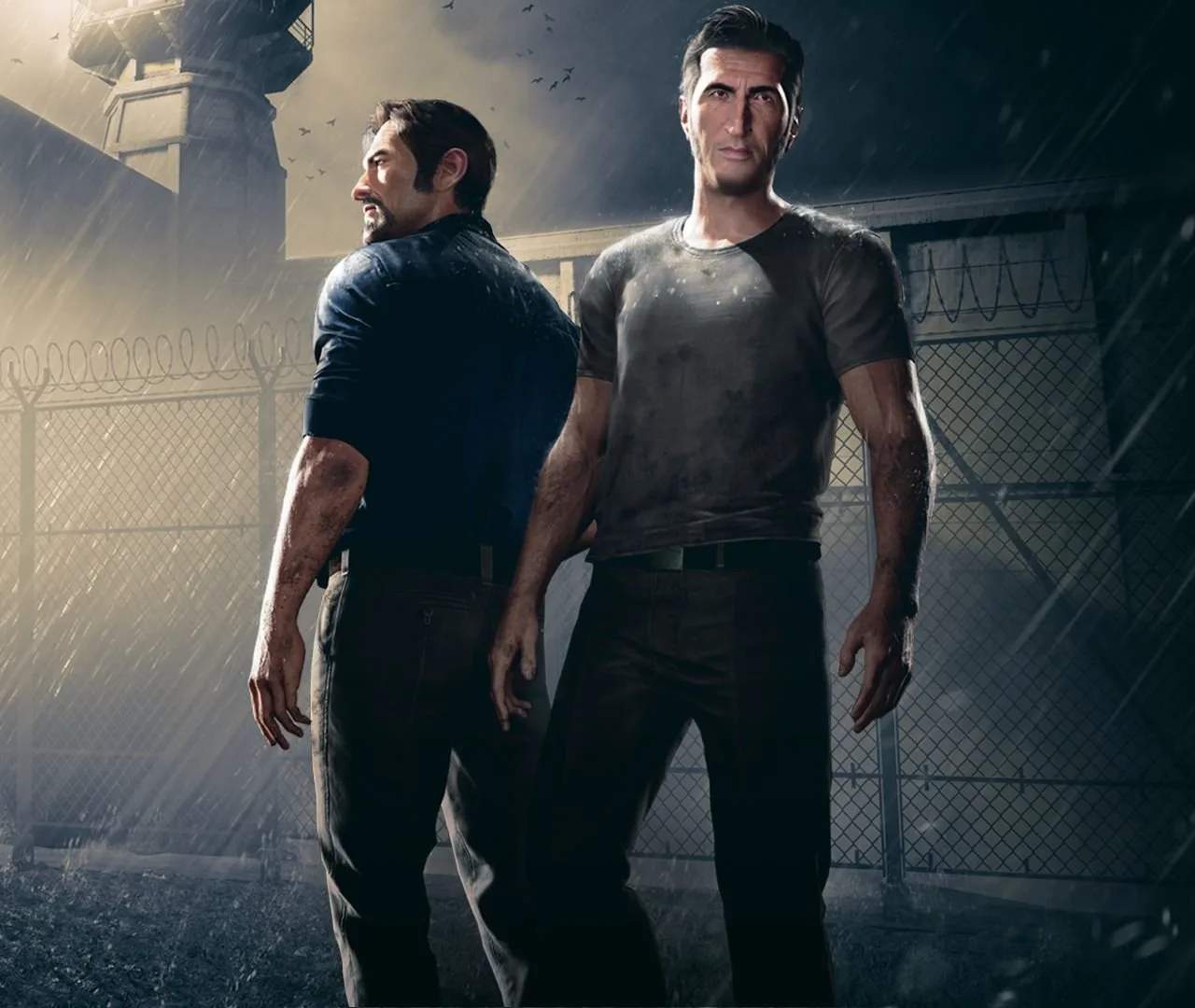
The Aftermath
Following the intense confrontation with Harvey, the narrative of A Way Out shifts dramatically into its concluding chapter: The Aftermath. This section is less about direct combat or complex puzzles and more about the profound emotional and ethical dilemmas faced by Leo and Vincent. Players will find themselves navigating a series of critical choices and interactions that directly influence the game's final moments and the ultimate fate of both protagonists.
While largely cinematic and dialogue-driven, the decisions made here carry significant weight. Unlike earlier sections where choices might lead to different paths or minor narrative variations, the choices in The Aftermath are often binary and have immediate, irreversible consequences. be acutely aware that their actions and dialogue selections will determine which character survives, if any, and the nature of their final moments. This guide will meticulously detail the branching paths, critical decisions, and potential outcomes, ensuring you are fully prepared for the game's powerful conclusion.
Key Decisions and Their Impact
The core of The Aftermath revolves around a series of difficult, often heartbreaking, decisions that force Leo and Vincent into direct opposition. These aren't simply dialogue options; they are pivotal moments that test the bond forged throughout the escape. Players, controlling either Leo or Vincent, will be presented with scenarios where only one can prevail.
- The Standoff: After the initial escape from Harvey, circumstances will escalate, leading to an unavoidable confrontation between Leo and Vincent. This is not a sequence that can be "won" in a traditional sense; it's about choosing who you want to see through to the end. The confrontation begins shortly after the escape from the warehouse, specifically when Leo and Vincent find themselves cornered on a rooftop or a similar elevated structure.
- Ethical Dilemmas: Throughout this final sequence, both characters will be forced to make choices that reflect their core motivations and values. For example, one character might prioritize their family above all else, while the other might be driven by a desire for justice or revenge. These underlying motivations will dictate the available dialogue options and actions. Vincent's motivations often revolve around his family and a desire for redemption, while Leo is driven by a fierce loyalty to his own family and a thirst for vengeance against Harvey.
- Player Agency vs. Narrative Arc: Understand that while you have agency in these choices, the game's narrative is designed to bring this conflict to a head. There is no "perfect" ending where both characters walk away unscathed. Prepare for a bittersweet or tragic conclusion, depending on your choices. The game forces a binary outcome, making the player's final decision incredibly impactful.
Mindful Interactions and Choices
Given the gravity of this section, approach every interaction with careful consideration. Here are some general guidelines:
- Understand Character Motivations: Before making a choice, try to put yourself in the shoes of the character you are controlling. What are their primary goals? What have they sacrificed to get to this point? Their established personalities and backstories will inform the most "in-character" decisions. For instance, Vincent's desire to return to his wife and child is a powerful driving force, while Leo's commitment to avenging his brother's death is equally strong.
- Communicate with Your Co-op Partner: In a co-op game like A Way Out, communication is paramount, especially here. Discuss the implications of each choice with your partner. Do you both want to see the same character survive? Are you willing to make a sacrifice for the other? These discussions can lead to a more shared and impactful experience, even if the outcome is difficult. A lack of communication can lead to frustration or an ending neither player truly desired.
- Consequences are Permanent: There are no do-overs in The Aftermath. Once a critical choice is made, the narrative branches irreversibly. If you are aiming for a specific ending or want to experience both perspectives, be prepared to replay the final chapter. The game saves automatically at critical junctures, preventing players from simply reloading a previous save to alter the outcome.
- Emotional Impact: The game is designed to evoke strong emotions during this section. Allow yourself to feel the weight of the decisions. The narrative thrives on the difficult choices and the bond (or breaking of it) between Leo and Vincent.
The Final Confrontation: Step-by-Step Walkthrough
The climax of A Way Out unfolds in a series of intense, quick-time event (QTE) driven sequences and critical decisions. This section details the steps leading to the two primary endings.
Phase 1: The Rooftop Chase and Initial Struggle
- Location: After the escape from Harvey's warehouse, Leo and Vincent will find themselves on the rooftops of a city, pursued by police. This segment involves platforming and quick evasive maneuvers.
- Objective: Reach a temporary safe point, usually a small, enclosed area on a rooftop or a construction site, where the first major dialogue exchange occurs.
- Key Interaction: A heated argument will ensue, with both characters accusing the other of betrayal or recklessness. Dialogue options here will subtly influence the emotional tone but do not yet determine the final outcome.
- Common Pitfall: Failing QTEs during the chase can lead to a quick restart of the section, but does not alter the narrative path. Ensure precise timing for jumps and dodges.
Phase 2: The Car Chase and Escalation
- Location: The chase transitions to a high-speed car pursuit through city streets. One player will drive, the other will handle navigation or fend off pursuers.
- Objective: Evade the police and reach a secluded area, often a dockyard or an abandoned industrial zone.
- Key Interaction: During the car chase, another argument will break out, intensifying the conflict. The characters will likely draw weapons on each other for the first time, though no shots are fired yet. This is a crucial moment for players to understand that the conflict is now unavoidable.
- Strategy Tip: As the driver, prioritize avoiding obstacles and maintaining speed. As the passenger, focus on any QTEs that involve fending off police vehicles or clearing obstacles.
Phase 3: The Final Standoff - The Point of No Return
This is the definitive moment where the game branches into its two main endings. The location is typically a secluded, atmospheric area – a lighthouse, a remote cabin, or a desolate beach. The exact environment can vary slightly but the sequence of events remains consistent.
- Location: A remote, isolated area, often with dramatic weather effects (rain, strong winds) to heighten the tension.
- Objective: One character must disarm or incapacitate the other. This is executed through a series of QTEs and a final, irreversible decision.
- Critical Choice - The Struggle:
- Both players will engage in a prolonged QTE struggle. The outcome of this struggle determines who gains the upper hand.
- If Leo Wins the Struggle: You controlling Leo will have the opportunity to make the final decision. Vincent will be at Leo's mercy.
- If Vincent Wins the Struggle: You controlling Vincent will have the opportunity to make the final decision. Leo will be at Vincent's mercy.
- Strategy: Coordinate with your partner. If you both want a specific character to survive, You controlling that character should intentionally fail QTEs to allow the other to win the struggle, thus giving them the final choice. Alternatively, if you want to experience the struggle authentically, both try their best.
- The Ultimate Decision: Once one character has the other at gunpoint, a final prompt will appear. This is where You who "won" the struggle makes the choice.
- Option 1: Kill the other character. This leads to one of the two main endings, depending on who survives.
- Option 2: (Implied/Forced) Spare the other character. This option is not explicitly given as a choice; rather, the game forces You to make a fatal decision. There is no outcome where both characters walk away alive from this specific confrontation.
Endings Explained
There are two primary endings, each with unique epilogues and emotional weight. The choice made in the final standoff dictates which ending you experience.
Ending 1: Leo Survives
- Trigger: You controlling Leo wins the final struggle and chooses to kill Vincent.
- Outcome: Leo escapes, but is deeply scarred by the events. The epilogue shows Leo returning to his family (Linda and Alex), but the joy is muted by the heavy cost of his freedom. He carries the burden of Vincent's death.
- Emotional Impact: Bittersweet. Leo achieves his freedom and reunites with his family, but at the cost of his friendship and Vincent's life. The narrative emphasizes the tragic nature of their journey.
- Post-Game Content: A short cinematic showing Leo's life after the escape, often depicting him struggling with his past.
Ending 2: Vincent Survives
- Trigger: You controlling Vincent wins the final struggle and chooses to kill Leo.
- Outcome: Vincent escapes and eventually reunites with his wife (Carol) and child. However, he is also haunted by Leo's death and the circumstances that led to it. He often has to live with the knowledge that he betrayed a friend for his own freedom.
- Emotional Impact: Equally bittersweet, if not more tragic for some players. Vincent's freedom comes at the ultimate price for Leo, and his reunion with his family is tainted by the betrayal. The game often highlights the moral ambiguity of his choices.
- Post-Game Content: A short cinematic showing Vincent's life, often with subtle hints of his internal struggle and guilt.
Common Pitfalls and Missables
- Lack of Communication: The most significant pitfall in The Aftermath is failing to communicate with your co-op partner. If both players try to "win" the final struggle without discussing their desired outcome, it can lead to an ending neither truly wanted, or even frustration between players.
- Rushing the QTEs: While intense, take a moment to understand the QTE prompts. Rushing can lead to failure and potentially give the advantage to the other player, altering the flow of the final decision.
- Expecting a "Happy" Ending: A Way Out is a narrative-driven game that explores themes of sacrifice, loyalty, and consequence. Do not expect a traditional "everyone lives happily ever after" ending. Embrace the tragic elements.
- Missing the Emotional Nuances: Pay attention to the dialogue and character expressions during this section. The game is designed to evoke strong emotions, and understanding the characters' motivations will make the final choices more impactful.
Replaying for Alternate Endings
If you wish to experience both endings, you will need to replay the final chapter. The game typically creates a checkpoint just before the final standoff, allowing for a relatively quick replay of the concluding sequence without having to restart the entire game. Coordinate with your partner to ensure you both get to experience the desired outcomes.