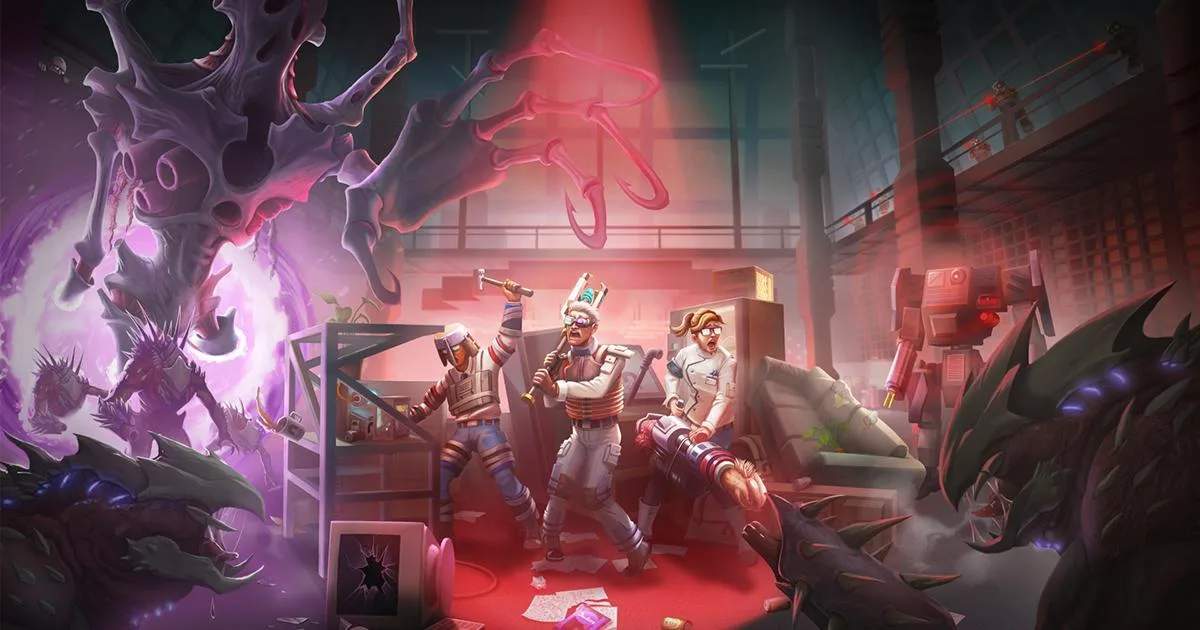
Mastering ammunition in Abiotic Factor is crucial for survival. Different weapons require specific ammo types, and understanding their effectiveness against various threats will give you a sificant edge. From basic bullets to specialized rounds, knowing what to craft and conserve is key to overcoming the facility's dangers.
Ballistic Ammunition Types
The most common ammunition types you'll encounter and craft are ballistic rounds. These are essential for most firearms and come in several variations:
- 9mm Rounds: The standard for many pistols and SMGs. Relatively common to craft and find, but less effective against heavily armored enemies.
- 5.56mm Rounds: Used by assault rifles and some LMGs. Offers a good balance of damage and rate of fire, making it a versatile choice.
- 12 Gauge Shells: The ammunition for shotguns. Devastating at close range, but limited by its spread and range. Essential for clearing tight corridors.
- .308 Rounds: High-powered rounds for sniper rifles and some battle rifles. Ideal for taking down distant threats or heavily armored targets with precision shots.
Specialized Ammunition
Beyond standard ballistics, Abiotic Factor introduces specialized rounds that offer unique tactical advantages:
- Incendiary Rounds: These rounds ite targets, dealing damage over time and potentially spreading fire to nearby enemies. Excellent for crowd control and against organic threats.
- Armor-Piercing Rounds: Desed to penetrate heavy armor. These are vital for efficiently taking down armored mutants and security bots.
- Explosive Rounds: While rare and costly to craft, these rounds deal area-of-effect damage, perfect for groups of enemies or destroying environmental hazards.
Crafting Ammunition
Ammunition is primarily crafted at workbenches using various components. Key crafting materials include:
- Gunpowder: A fundamental ingredient for most ammunition.
- Metal Scraps: Used for casings and projectiles.
- Chemical Compounds: Often required for specialized rounds like incendiary or explosive types.
Prioritize crafting the ammunition types that best suit your current loadout and the threats you anticipate facing. Scavenging for components and blueprints is as important as finding pre-made ammo.