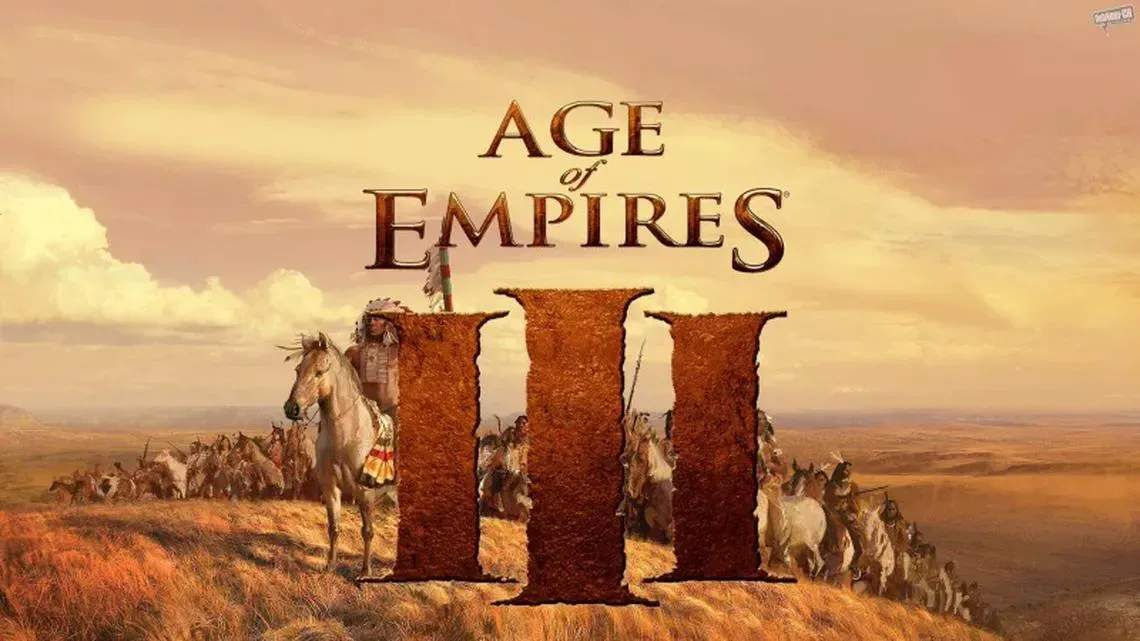
Game Modes Overview
Age of Empires III offers a diverse range of game modes, catering to both solo adventurers and competitive strategists. Understanding each mode's nuances is crucial for maximizing your enjoyment and honing your skills. This section provides a detailed breakdown of the primary ways to play, offering actionable advice and strategic considerations for each.
Campaign Walkthrough
The Campaign mode is the heart of Age of Empires III's narrative experience, guiding players through a rich historical saga across three distinct acts. Each act follows a different generation of the Black family, intertwining their destinies with pivotal moments in the colonization of the New World.
- Accessing the Campaign: From the main menu, navigate to the "Single Player" option, then select "Campaign." You will then be presented with the three acts.
- Act I: Blood: This act introduces players to Morgan Black and his quest against the mysterious "Circle of Ossus." Missions like "Breakout," "Into the Caves," and "Pirates!" serve as excellent tutorials for core game mechanics, including exploration, resource gathering, and basic combat. Later missions such as "The Ottoman Fort" and "Spanish Treasure Fleet" escalate the challenge, requiring more sophisticated unit compositions and tactical planning. Pay close attention to optional objectives, as they often reward valuable experience for your Home City.
- Act II: Ice: Following John Black, this act shifts to the frozen North American frontier during the French and Indian War. Missions like "Defend the Colony" and "The Seven Years' War" emphasize defensive strategies and the effective use of fortifications. "Strange Alliances" and "Respect" highlight the importance of diplomacy and Native American allies. The final missions, "Warwick's Stronghold" and "Bring Down the Mountain," demand mastery of siege tactics and coordinated assaults.
- Act III: Steel: Amelia Black's story concludes the saga, focusing on the American West and the construction of the transcontinental railroad. "Race for the Rails" introduces dynamic objectives and the need for rapid expansion. "Hold the Fort" tests your ability to defend against overwhelming odds, while "The Boneguard's Lair" and "The Lost Spanish Gold" involve intricate map navigation and uncovering hidden objectives.
-
Strategic Tips for Campaign:
- Home City Shipments: Prioritize shipments that provide resources or military units early on to gain an advantage. Later, consider cards that boost economic output or unit upgrades.
- Hero Units: Your hero unit (Morgan, John, or Amelia) is invaluable. Use their special abilities, like "Explore" or "Attack," to scout, collect treasures, and engage enemy units. Keep them alive, as their death can lead to mission failure or significant setbacks.
- Treasure Guardians: Always defeat treasure guardians to claim valuable resources, experience, or even unique units.
- Difficulty Settings: If you're struggling, don't be afraid to lower the difficulty. Conversely, challenge yourself on higher settings for greater rewards and a more intense experience.
Skirmish Mode
Skirmish mode offers a highly customizable single-player or multiplayer experience against AI opponents or other players. This is where most players spend the majority of their time, perfecting build orders and strategies.
- Accessing Skirmish: From the main menu, select "Single Player" then "Skirmish" for AI battles, or "Multiplayer" for online matches.
-
Customization Options:
- Map: Choose from a wide variety of maps, each with unique resource distributions, terrain features, and Native American settlements. Examples include "New England," "Great Plains," and "Caribbean."
- Game Type: The default "Supremacy" mode involves building a powerful economy and military to defeat all opponents. Other options may include "Deathmatch" (starting with abundant resources for immediate combat) or "King of the Hill."
- Starting Resources: Adjust the initial amount of Food, Wood, and Coin to influence the early game pace.
- Starting Age: Begin in the Discovery, Colonial, Fortress, Industrial, or Imperial Age. Starting in later ages allows for quicker access to advanced units and technologies.
- Difficulty: AI opponents can range from "Easy" to "Expert," providing a scalable challenge.
- Teams: Configure team alliances for cooperative or competitive play.
-
Strategic Tips for Skirmish:
- Civ Choice: Experiment with different civilizations to find one that suits your playstyle. Each civilization has unique units, technologies, and Home City cards.
- Build Orders: Develop efficient build orders for your chosen civilization to maximize early-game resource collection and unit production.
- Scouting: Early scouting with your Explorer is critical to locate resources, treasure, and enemy positions.
- Age-Up Timing: Master the timing of advancing through the ages to unlock new units and technologies at optimal moments.
- Home City Deck: Customize your Home City deck to complement your chosen strategy, whether it's an aggressive rush, a booming economy, or a defensive turtle.
Multiplayer
The multiplayer component of Age of Empires III allows players to test their skills against human opponents from around the world. This is often considered the ultimate challenge, requiring quick thinking, adaptability, and a deep understanding of game mechanics.
- Accessing Multiplayer: From the main menu, select "Multiplayer." You can then choose to join an existing game or host your own.
- Online Lobbies: Browse available games, filter by game type, map, and player count.
- Hosting a Game: When hosting, you have full control over all skirmish settings, allowing you to create custom matches with friends or specific rulesets.
- Ranked Play: For competitive players, ranked matches offer a chance to climb leaderboards and prove their strategic prowess. These games typically adhere to standard settings to ensure fairness.
-
Strategic Tips for Multiplayer:
- Adaptability: Be prepared to adjust your strategy based on your opponent's civilization, early game actions, and overall playstyle.
- Communication: In team games, effective communication with your allies is paramount for coordinated attacks, resource sharing, and defensive maneuvers.
- Micro and Macro Management: Multiplayer demands a strong balance of both micro (unit control in combat) and macro (economy and production management).
- Replay Analysis: Watch replays of your games, especially losses, to identify mistakes and learn from your opponents.
- Community Resources: Engage with the Age of Empires III community through forums and online groups to learn advanced strategies and stay updated on meta changes.