Historical Context and Lore
Welcome, esteemed strategists, to a deeper dive into the rich tapestry that underpins the epic conflicts of Age of Empires III. While the game offers thrilling real-time strategy, understanding its historical inspirations and the narrative threads woven throughout the campaigns can significantly enhance your appreciation and tactical approach. This section will illuminate the real-world events and fictionalized lore that bring the game's factions and characters to life.
The Age of Discovery and Colonial Expansion (16th-19th Centuries)
Age of Empires III primarily focuses on the period between the 16th and 19th centuries, a transformative era often referred to as the Age of Discovery, the Age of Sail, and the age of European colonial expansion into the Americas. This period saw unprecedented global exploration, the establishment of vast colonial empires, and the clash of cultures across continents. The game captures the essence of this era through its European civilizations (British, French, Spanish, Portuguese, Dutch, German, Russian, Ottoman) and their interactions with the indigenous peoples of the Americas.
- European Powers: Each European civilization in the game reflects its historical counterpart's military doctrines, economic strengths, and colonial ambitions. For instance, the British excel in economic development and powerful infantry, mirroring their industrial growth and disciplined armies. The Spanish, with their focus on early military dominance, reflect their rapid conquest of vast territories in the New World.
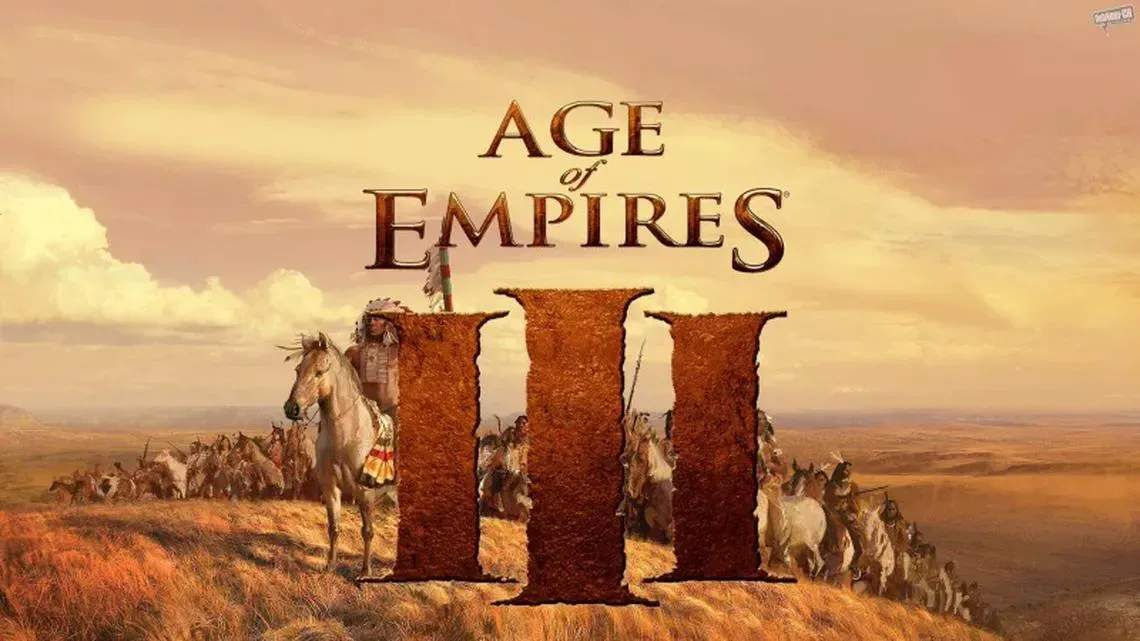
- Native American Civilizations: The game features various Native American tribes as allies, such as the Aztecs, Iroquois, Sioux, and Cherokee. While not playable as full civilizations in the base game, their presence and unique units (e.g., Aztec Jaguar Warriors, Iroquois Tomahawks) highlight their significant role in the historical conflicts and alliances of the period. The War Chiefs expansion later introduced playable Native American civilizations, further enriching this aspect.
- Key Historical Events: The campaigns often draw inspiration from real historical events. For example, Act II: Ice, particularly missions like "The Seven Years' War" and "The Great Lakes," directly references the French and Indian War (the North American theater of the Seven Years' War), a pivotal conflict for control of North America.
The Black Family Saga: A Fictional Narrative Thread
Central to the Age of Empires III campaign is the fictional saga of the Black family, spanning three generations and over two centuries. This narrative provides a compelling personal lens through which to experience the broader historical conflicts.
Act I: Blood - Morgan Black and the Fountain of Youth
The first act, "Blood," follows Morgan Black, a Knight of the Order of St. John (Knights Hospitaller) in the 16th century. His quest begins in the Mediterranean with missions like "Breakout" and "Into the Caves," battling Ottoman forces. The narrative quickly shifts to the New World, where Morgan pursues the mysterious "Circle of Ossus" – a secret society seeking the Fountain of Youth. This act blends historical elements (Ottoman Empire, Spanish Treasure Fleet) with a fantastical quest, culminating in missions like "The Fountain of Youth?"
- Key Characters:
- Morgan Black: A Scottish knight, initially fighting the Ottomans, who becomes entangled in the search for the Fountain of Youth.
- Alain Magnan: A French pirate who aids Morgan, representing the often-complex alliances and rivalries of the era.
- Lizzie the Pirate: Another pirate ally, showcasing the diverse characters involved in colonial ventures.
- Lore Connections: The Circle of Ossus serves as the primary antagonist, a shadowy organization with ancient origins, adding a layer of mystery and conspiracy to the historical backdrop. Their pursuit of immortality through the Fountain of Youth drives much of the early narrative.
Act II: Ice - John Black and the American Frontier
The second act, "Ice," jumps to the mid-18th century, focusing on John Black, Morgan's grandson, during the French and Indian War. This act is deeply rooted in the conflicts between European powers and Native American tribes for control of North America. Missions such as "Defend the Colony" and "The Seven Years' War" place John directly in the heart of these historical struggles.
- Key Characters:
- John Black: A frontiersman and leader of a colonial militia, he fights alongside Native American allies like Kanyenke against the British and the nefarious Colonel Warwick, who is revealed to be part of the Circle of Ossus.
- Kanyenke: A Mohawk warrior and John's close friend, representing the crucial role of Native American alliances.
- Colonel Warwick: The primary antagonist, a British officer secretly affiliated with the Circle of Ossus, embodying the corruption and hidden agendas within the colonial powers.
- Tactical Insight: Understanding the historical context of the French and Indian War helps players appreciate the strategic importance of alliances with Native American settlements (e.g., Iroquois, Cherokee) and the guerilla tactics often employed on the American frontier.
Act III: Steel - Amelia Black and the Transcontinental Railroad
The final act, "Steel," brings the story to the mid-19th century, during the American Civil War and the westward expansion. Amelia Black, John's granddaughter, is a railroad magnate involved in the construction of the transcontinental railroad. This act explores themes of industrialization, manifest destiny, and the lingering threat of the Circle of Ossus.
- Key Characters:
- Amelia Black: A strong-willed businesswoman, she uses her resources to complete the railroad and confront the Circle of Ossus, who are now attempting to seize control of American gold reserves.
- General Custer: A historical figure, his presence in missions like "The Boneguard's Lair" grounds the fictional narrative in real-world events, even if his portrayal is somewhat romanticized.
- The Boneguard: The elite forces of the Circle of Ossus, representing the final, desperate stand of the ancient organization.
- Strategic Relevance: The missions in this act, such as "Race for the Rails" and "The Lost Spanish Gold," emphasize economic development, resource control, and rapid expansion, reflecting the industrial age and the race for resources.
The War Chiefs Expansion: Expanding the Narrative
The Age of Empires III: The War Chiefs expansion further enriches the historical and lore elements by introducing playable Native American civilizations (Iroquois, Sioux, Aztec) and a new campaign that delves into the American Revolutionary War and the conflicts on the Western frontier.
- Act I: Fire - Nathaniel Black and the American Revolution: This act follows Nathaniel Black, a distant relative of the main Black family line, fighting for the American cause during the Revolutionary War. Missions like "Breed's Hill," "Crossing the Delaware," and "The Battle of Yorktown" directly recreate pivotal moments of the revolution.
- Historical Figures: George Washington, Lafayette, and other historical figures make appearances, adding authenticity to the narrative.
- Act II: Shadow - Chayton Black and the Western Frontier: This act focuses on Chayton Black, a Sioux warrior and descendant of Nathaniel, during the conflicts between the US Army and Native American tribes in the late 19th century. Missions like "Red Cloud's War" and "Battle of the Little Bighorn" portray the struggles and tragedies of this period.
- Cultural Representation: This campaign offers a perspective from the Native American side, highlighting their resistance and cultural significance.
By understanding these historical backdrops and the interwoven fictional narrative, You can gain a deeper appreciation for the strategic choices presented in Age of Empires III and its expansions. The game is not just about building armies; it's about navigating the currents of history and shaping the destiny of empires.