Artifacts (Campaign Specific)
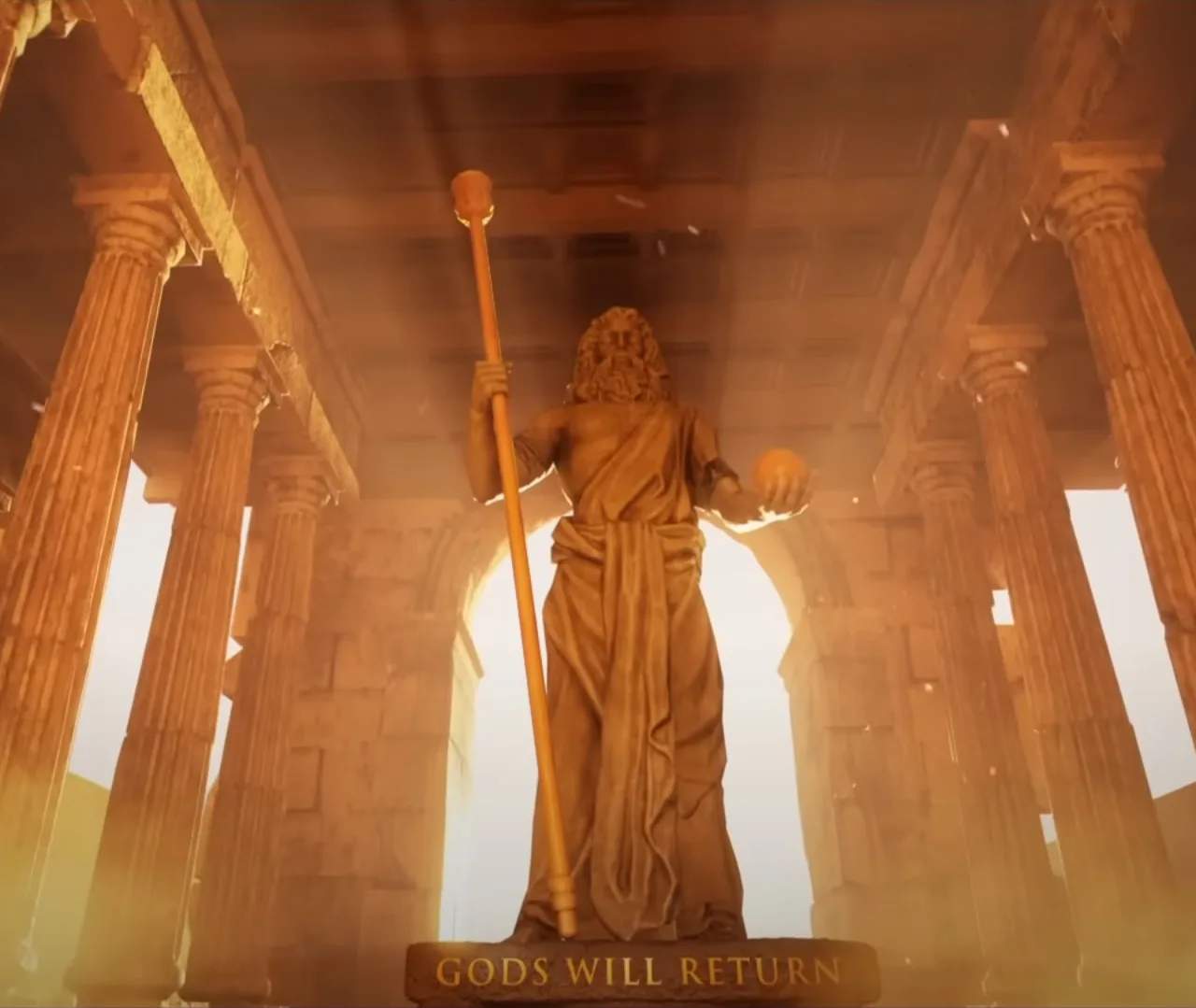
Within the epic sagas of Age of Mythology: Retold's single-player campaign, players will frequently encounter unique items known as Artifacts. Unlike the persistent Relics found in multiplayer or skirmish modes, these artifacts are intrinsically tied to the narrative of specific missions. They serve as critical quest objectives, powerful temporary boons, or even plot devices that drive the story forward. Understanding their role, location, and how to utilize or secure them is paramount to success.
Campaign-specific artifacts are distinct in that their effects are generally confined to the mission in which they appear and do not carry over. This makes them incredibly impactful for a limited duration, often turning the tide of a challenging encounter or unlocking new strategic options. Players must pay close attention to mission briefings and in-game dialogue for clues regarding an artifact's purpose and whereabouts.
The Nature of Campaign Artifacts
- Narrative Significance: Many artifacts are central to the campaign's storyline, representing ancient powers, divine blessings, or crucial historical relics that must be recovered, protected, or destroyed.
- Temporary Buffs: Some artifacts provide significant, mission-specific bonuses to your units, economy, or even grant unique abilities for a limited time. These can range from increased attack damage to faster resource gathering or even summoning powerful mythical units.
- Quest Objectives: Often, the primary goal of a mission revolves around acquiring or safeguarding an artifact. Failure to do so typically results in mission failure.
- Unique Interactions: Certain artifacts might interact with specific map elements, enemy units, or even other artifacts in unexpected ways, requiring strategic thinking to fully exploit their potential.
- Trade-offs and Negative Effects: While rare, some artifacts may come with a cost or a negative side effect, requiring careful consideration before acquisition. These are often tied to specific narrative choices or challenging guardian encounters. For example, an artifact might grant immense power but slowly drain your resources or attract more aggressive enemy attacks.
Identifying Artifacts In-Game
Locating and identifying artifacts is crucial for mission progression. Here’s how to spot them:
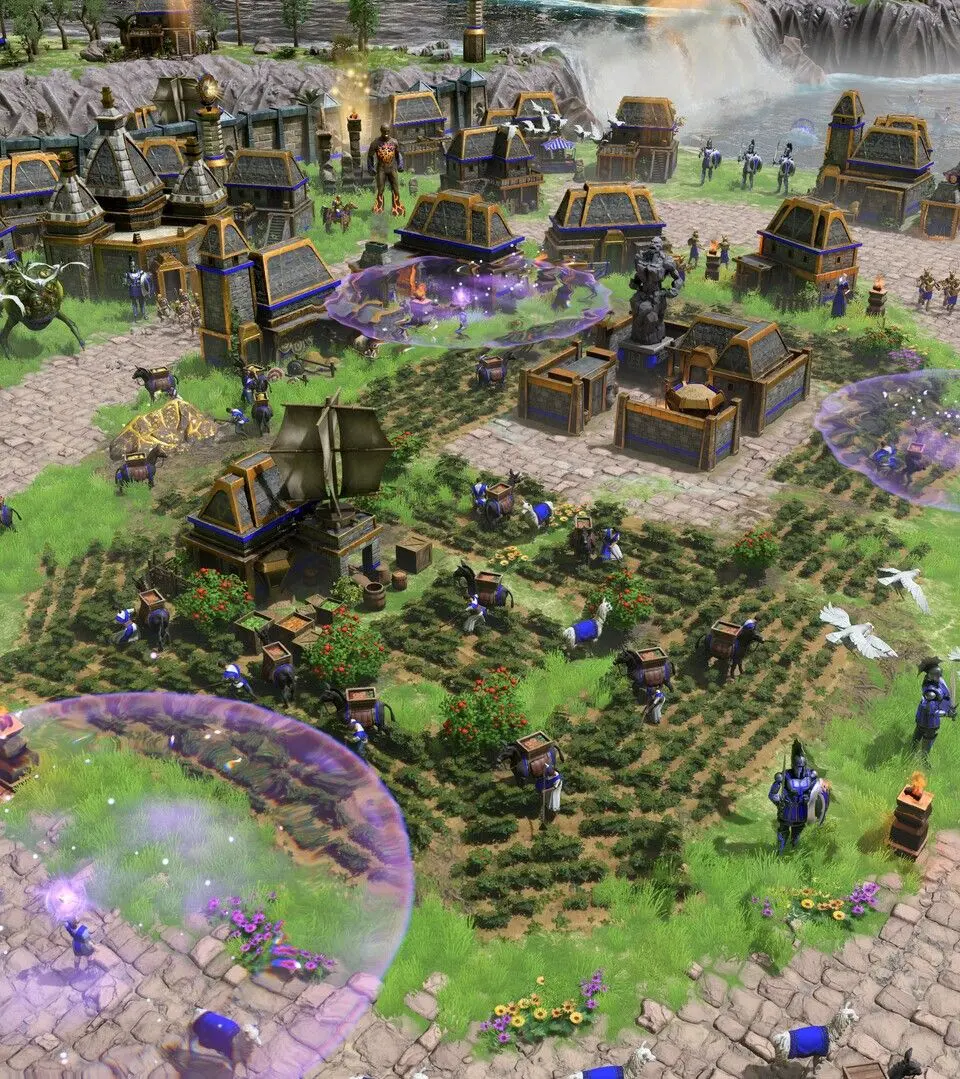
- Visual Cues: Artifacts often appear as distinct, glowing objects or ancient relics on the map. They are usually larger and more ornate than standard map decorations. Look for unique models that stand out from the environment.
- Mini-Map Icons: Important objectives, including artifacts, are typically marked on your mini-map with a distinct icon (e.g., a glowing star, a quest marker, or a specific artifact symbol). Pay attention to these markers, especially after receiving new mission objectives.
- Mission Log Entries: The mission log (accessible via the in-game UI) will explicitly state when an artifact is a primary or secondary objective. It often provides a description of the artifact and its general location or the conditions for its discovery.
- In-Game Dialogue: Character dialogue, especially from your heroes or allied units, will frequently provide verbal cues and hints about an artifact's proximity or the presence of guardians. Listen carefully to these conversations.
- Scouting Reports: When your scout units uncover new areas, pay attention to any highlighted objects or structures that might indicate an artifact's presence.
Example Artifacts from Age of Mythology: Retold
While specific effects and mission contexts can vary, here are illustrative examples of artifacts and their potential impact, drawing from the spirit of the original game and anticipated Retold mechanics. Note: Specific artifact names and effects may be subject to change in the final release of Age of Mythology: Retold. These examples are based on known campaign structures and common artifact archetypes.
1. The Eye of Horus (Egyptian Campaign: Mission 10 - "The Eye of Horus")
This legendary artifact is a prime example of a critical quest item with significant narrative weight and temporary gameplay impact.
- Objective: Recover The Eye of Horus from Kemsyt.
- Anticipated Effect: Upon retrieval, grants a significant, albeit temporary, bonus to your forces for the remainder of the mission. This could manifest as:
- Increased Attack Damage: All your units receive a substantial boost to their attack power, making subsequent engagements easier.
- Faster Training/Research: Production buildings train units or research technologies at an accelerated rate.
- Divine Favor Generation: Your favor generation rate temporarily increases, allowing for more frequent use of God Powers or summoning of Myth Units.
- Acquisition Strategy:
- Initial Setup & Base Building: Establish a strong economic base. Focus on securing gold mines and food sources. Kemsyt's forces will launch early raids, so prioritize defensive structures like Watch Towers and training a core army of Spearmen and Slingers.
- Scouting for Kemsyt's Stronghold: Send a scout or a small group of fast units (e.g., Camels) to locate Kemsyt's main base, typically fortified and guarded by a mix of Egyptian units and mythological creatures like Scarabs or Mummies.
- Clearing the Path: Systematically clear smaller enemy encampments protecting Kemsyt's stronghold. Utilize God Powers strategically – for instance, a well-placed "Rain" can boost your farming economy, or "Ceasefire" can buy you time for a crucial push.
- Assaulting Kemsyt's Base: This is the most challenging part. Kemsyt will have a formidable army and potentially several siege units.
- Recommended Army Composition: A balanced force is key. Aim for a mix of Spearmen (anti-cavalry), Axemen (anti-infantry), Slingers (anti-archer/flying), and Siege Units (e.g., Catapults) for buildings.
- Myth Units: Leverage units like Sphinxes (great against buildings) or Mummies (can convert enemy units).
- Target Prioritization: Focus fire on enemy production buildings (Barracks, Migdol Strongholds) and siege units.
- Hero Management: Keep Arkantos alive and engaged. His hero bonus against myth units is invaluable.
- Retrieving The Eye: Once Kemsyt's primary forces are defeated, The Eye of Horus will be located within a specific structure (often a Temple). Send Arkantos or another hero to collect it.
- Common Pitfalls: Underestimating Kemsyt's defenses, neglecting economy, ignoring side objectives that ease the path, or allowing Arkantos to fall in battle.
2. The Golden Fleece (Greek Campaign: Mission 2 - "The Golden Fleece")
A classic example of an artifact that serves as a primary mission objective, requiring exploration and overcoming environmental and enemy challenges.
- Objective: Locate and retrieve The Golden Fleece from the depths of the Labyrinth.
- Anticipated Effect: Upon collection, often triggers a new phase of the mission, such as an escape sequence or the arrival of reinforcements. It might also grant a passive, mission-long bonus like increased unit health regeneration or a temporary boost to resource gathering for a short period after collection.
- Acquisition Strategy:
- Explore the Labyrinth: The Labyrinth is a maze-like area. Send a hero (e.g., Ajax) and a small, mobile force to explore. Prioritize uncovering the map to find the correct path.
- Deal with Guardians: The Fleece is typically guarded by powerful Myth Units (e.g., Minotaurs, Cyclops) and potentially enemy human units. Use your hero's bonus against Myth Units and support them with ranged units.
- Environmental Hazards: Be aware of potential traps or choke points within the Labyrinth. Use formations to minimize damage.
- Retrieve the Fleece: Once the guardians are defeated, send your hero to pick up the Fleece. This often triggers a new objective, such as escaping the Labyrinth or defending against a counter-attack.
3. Fragment of the World Tree (Norse Campaign: Mission 12 - "The World Tree")
An artifact that might require specific actions or sacrifices to obtain, potentially with a trade-off.
- Objective: Secure a Fragment of the World Tree to empower your forces or open a new path.
- Anticipated Effect: Could grant a powerful, mission-long buff to Myth Units (e.g., increased attack, health, or faster training) or enable the construction of a unique building.
- Potential Trade-off: Retrieving the fragment might require sacrificing a portion of your population, dealing with a powerful curse, or attracting the wrath of a specific enemy faction, making subsequent encounters more difficult. For instance, it might grant a significant unit buff but reduce your overall resource income for the remainder of the mission.
- Acquisition Strategy:
- Establish a Stronghold: The area around the World Tree is likely contested. Build a fortified base before attempting to approach the artifact.
- Overcome Divine Guardians: The fragment might be protected by powerful Norse Myth Units (e.g., Frost Giants, Valkyries) or even minor gods. Focus fire with ranged units and use your heroes effectively.
- Fulfill a Condition: The mission might require you to perform a specific ritual, defeat a certain number of enemies, or gather a unique resource before the fragment becomes accessible.
- Manage the Trade-off: If there's a negative effect, plan your economy and army composition accordingly. If it drains resources, ensure you have multiple resource drop-off points and a strong economic backbone.
General Strategies for Campaign Artifacts
While specific artifacts will have unique requirements, several general strategies apply to most campaign artifact missions:
1. Prioritize Information Gathering
- Read Mission Briefings Carefully: These often contain vital clues about the artifact's location, its guardians, and any special conditions or potential trade-offs.
- Listen to Dialogue: In-game character dialogue frequently provides real-time updates, hints, and warnings about artifact-related challenges.
- Scout Extensively: Before committing your main army, use fast units or scouts to uncover the map, identify enemy positions, and locate the artifact's general area. Prioritize scouting paths that seem to lead to objectives.
2. Adapt Your Strategy
- Economic Focus: If the artifact is heavily guarded, you'll likely need a strong economy to sustain a large army and multiple assaults. Invest in villagers and resource upgrades early.
- Rush Strategy: In some cases, an artifact might be lightly guarded early on, making a quick, aggressive push with your starting heroes and units a viable option before the enemy can reinforce.
- Defensive Play: If you need to protect an artifact (e.g., after retrieving it), fortify your position with walls, towers, and a strong defensive army. Establish chokepoints and repair structures diligently.
- Counter-Composition: Analyze the types of units guarding the artifact. If it's Myth Units, prioritize heroes and anti-myth units. If it's human units, ensure you have a balanced force with appropriate counters.
3. Leverage God Powers and Myth Units
- God Powers: Save powerful God Powers for critical moments related to the artifact. "Lightning Storm" can clear a path, "Restoration" can heal your army after a tough fight, or "Meteor" can devastate enemy defenses around the artifact. Consider using economic God Powers early to build up faster for the artifact push.
- Myth Units: Deploy Myth Units strategically. Their unique abilities can be invaluable for breaking through defenses, dealing with specific enemy types, or providing support. For example, a Colossus can quickly destroy buildings guarding an artifact, while an Anubis can provide powerful anti-infantry support.
4. Hero Utilization
- Hero Bonuses: Remember that heroes often have significant bonuses against Myth Units or other specific enemy types. Use them to counter threats guarding the artifact. Keep them alive and leveled up.
- Artifact Collection: In many missions, only a hero unit can pick up or activate an artifact. Ensure your hero is available and safe to perform this action. Clear the area around the artifact before sending your hero in alone.
By understanding the unique role of campaign artifacts, how to identify them, and employing sound strategic principles, You can successfully navigate the challenges of Age of Mythology: Retold's rich single-player narrative.