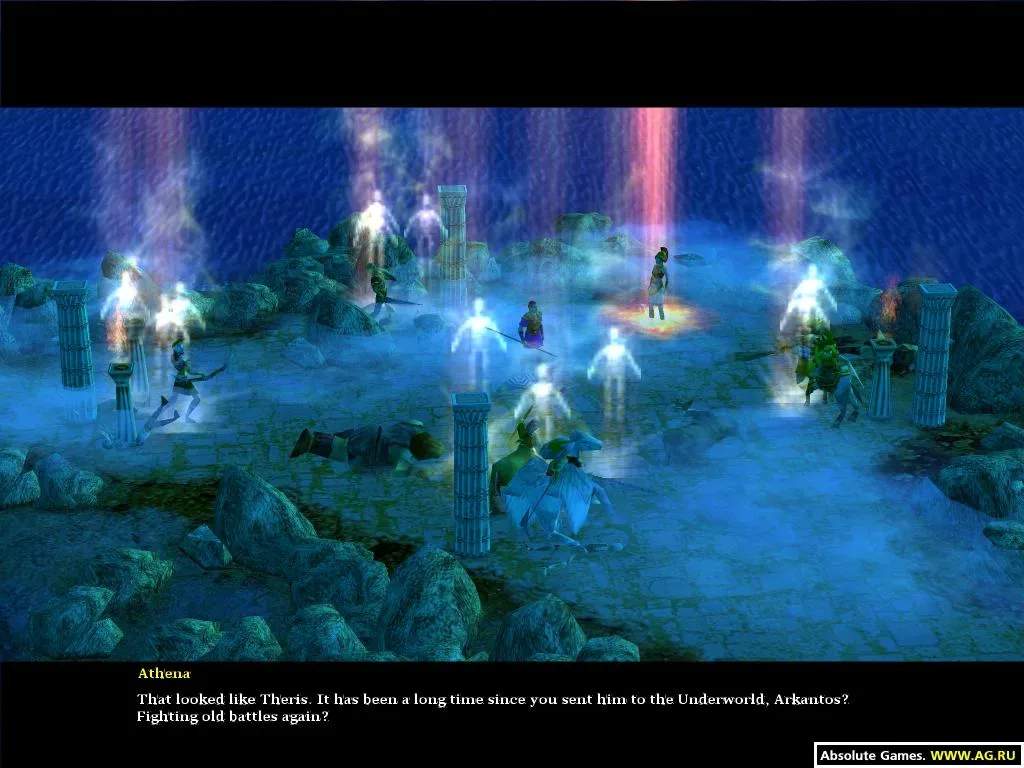
Random Map Strategies
Playing on random maps in Age of Mythology requires adaptability and a solid understanding of fundamental economic and military principles. Unlike campaign missions with fixed objectives, random maps demand on-the-fly decision-making based on your starting resources, terrain, and the chosen civilization. This section will guide you through effective strategies to dominate any randomly generated battlefield.
Initial Exploration and Resource Management
The first few minutes of any random map game are crucial. Your initial exploration dictates your early game plan.
- Scout Immediately: As soon as the game begins, send your starting Scout (or equivalent, like a Raven for Norse or a Pharaoh for Egyptians) to explore the immediate vicinity around your Town Center. Prioritize locating your initial food sources (Berry Bushes, Hunting Animals like Deer or Boar), Gold Mines, and Wood Lines.
- Villager Allocation:
- Food First: Your first 2-3 Villagers should always be tasked with gathering food. This is essential for continuous Villager production from your Town Center. Target easily accessible hunting animals for faster gathering rates.
- Wood and Gold: Once you have a steady food income, begin assigning Villagers to Wood and Gold. A common early split might be 7-8 Villagers on food, 3-4 on wood, and 2-3 on gold, but this can vary based on your civilization and immediate needs.
- Looting Relics: Always be on the lookout for Relics. These powerful artifacts, found scattered across the map, can be garrisoned in your Temple to provide various benefits, such as increased resource gathering rates, unit attack bonuses, or even free Myth Units. Prioritize securing any Relics near your starting position.
Adapting to Terrain and Map Features
Random maps offer diverse geographical layouts, each presenting unique opportunities and challenges.
- Chokepoints and Defenses: Identify natural chokepoints on the map, such as narrow passages between hills or forests. These are ideal locations for establishing defensive structures like Watch Towers or Fortresses to funnel enemy attacks.
- Water Maps: If your map features significant bodies of water, investing in a Dock early can provide a powerful economic and military advantage. Fishing Boats offer a reliable and often safer food source than land-based hunting, and military ships can control vital sea lanes or launch coastal assaults.
- Fishing Economy: On maps like 'Mediterranean' or 'Oasis', a strong fishing economy can propel you to a faster Age-up time. Build multiple Fishing Boats and research upgrades like 'Hand Axe' and 'Pickaxe' to boost their efficiency.
- Naval Dominance: Controlling the water with Triremes, Longboats, or Siege Ships can deny your opponent access to resources and allow for devastating raids on their coastal settlements.
- Resource-Rich Areas: Locate secondary Gold Mines, additional hunting grounds, and dense forests. Plan your expansion to secure these vital resources, potentially establishing new Town Centers or Forward Bases.
Early Aggression vs. Boom Strategies
Your chosen civilization and the map layout will often dictate whether an early aggressive push or a booming economy is more viable.
- Early Aggression (Rush):
- Focus: Rapid advancement to the Classical Age and production of military units to pressure your opponent.
- Civilizations: Norse (with their fast raiding units like raiding cavalry) and sometimes Greeks (with early hoplites) excel at this.
- Steps: Prioritize food and gold, build a Barracks or equivalent military building as soon as you hit Classical, and send your initial units to harass enemy Villagers or destroy key buildings. Use God Powers like 'Bolt' or 'Forest Fire' to gain an early advantage.
- Boom Strategy (Economic Expansion):
- Focus: Prioritizing economic growth, securing multiple Town Centers, and building a powerful late-game army.
- Civilizations: Egyptians (with their cheap Villagers and powerful Pharaoh bonuses) and sometimes Greeks (with strong defensive structures) are well-suited for booming.
- Steps: Maintain continuous Villager production, secure additional food and gold sources, and aim for a faster advancement to the Heroic or Mythic Age. Defend your expanding economy with towers or a small defensive force.
Mid-Game Transitions and Unit Composition
As the game progresses, adapt your strategy based on your opponent's actions and available resources.
- Countering Enemy Units: Always scout your opponent's unit composition and build appropriate counter-units. For example, if they are producing a lot of cavalry, train Spearmen. If they are relying on archers, use Hippikons or Axemen.
- Myth Unit Integration: Carefully choose your Myth Units based on your strategy and the God Powers you've selected. Units like the Minotaur (Greek) for their knockback, the Fenris Wolf (Norse) for their speed, or the Wadjet (Egyptian) for their ranged attack can turn the tide of a battle.
- Siege Warfare: Once you reach the Heroic Age, begin incorporating siege units like Catapults, Ballistae, or Siege Towers to break through enemy defenses and destroy buildings.
By mastering these principles and remaining flexible, you'll be well-equipped to conquer any random map in Age of Mythology.