Puzzles & Investigations
Alan Wake 2 seamlessly integrates puzzles and investigative elements into its survival horror framework, requiring players to think critically and observe their surroundings. These challenges are not mere diversions but are integral to unraveling the narrative, uncovering hidden lore, and progressing through the game's treacherous environments.
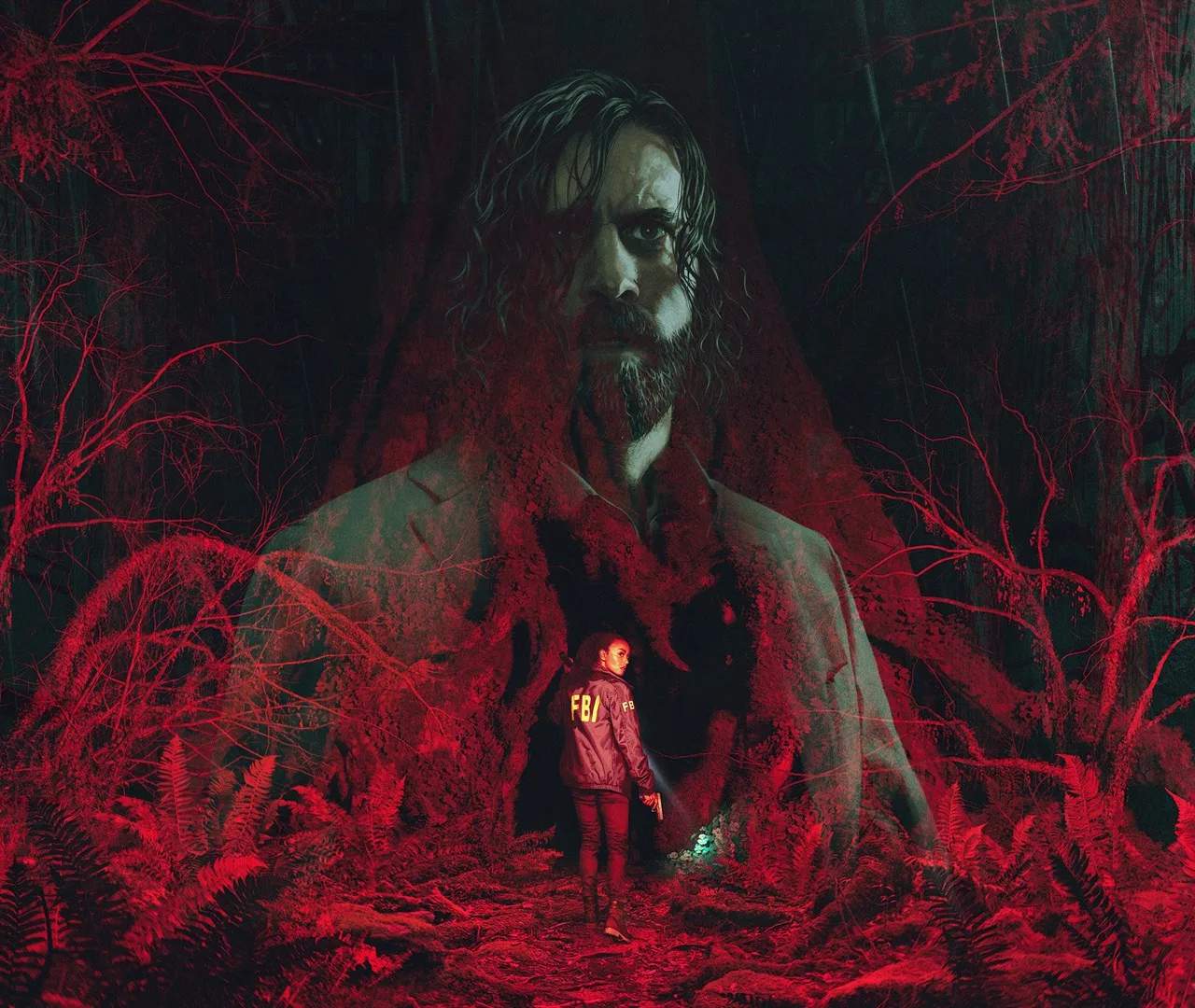
The game features two distinct approaches to puzzles and investigation, reflecting the two playable characters. Saga Anderson, as an FBI agent, engages in more traditional detective work, piecing together clues and solving case files. Alan Wake, trapped in the surreal Dark Place, interacts with the environment in more abstract and reality-bending ways, often using his writing to alter the world around him.
Saga's Investigations: The Mind Place
Saga's primary investigative tool is her Mind Place, a mental construct where she can organize clues, review case files, and make deductions. Here, players will:
- Review Case Files: Examine evidence, photographs, and notes related to the ritualistic murders.
- Connect Clues: Link pieces of evidence on a corkboard to form hypotheses and unlock new objectives. This often involves identifying patterns or relationships between seemingly disparate items.
- Analyze Evidence: Use environmental clues found in the game world to fill in the blanks of her case files.
- Upgrade Weapons: The Mind Place also serves as a hub for weapon upgrades, allowing players to spend valuable resources to improve their arsenal.
Alan's Reality Manipulation: The Writer's Room
Alan Wake's gameplay involves a unique form of environmental puzzle-solving through his ability to rewrite reality. In his Writer's Room, players can:
- Alter Scenes: Use plot elements and storyboards to change the environment, opening new pathways or resolving obstacles. For example, changing a scene from 'night' to 'day' might reveal hidden clues or alter enemy presence.
- Solve Narrative Puzzles: The puzzles are often tied to the narrative itself, requiring players to understand Alan's story and his creative process.
- Navigate Surreal Landscapes: The Dark Place is inherently unstable, and Alan's actions directly influence its shifting architecture.
General Environmental Puzzles:
Beyond these character-specific mechanics, both protagonists will encounter more traditional environmental puzzles:
- Finding Keys and Codes: Locating keys to unlock doors or finding numerical codes to bypass security systems.
- Leveraging the Environment: Using objects in the environment to solve problems, such as redirecting power or manipulating machinery.
- Observing Details: Many puzzles rely on careful observation of the environment for subtle clues, symbols, or patterns.
Approaching these puzzles with a keen eye and a methodical mindset is crucial. Don't rush; take your time to examine everything, read notes, and listen to dialogue. The solutions are often hidden in plain sight, waiting for the observant player to discover them.