Gameplay Mechanics Overview
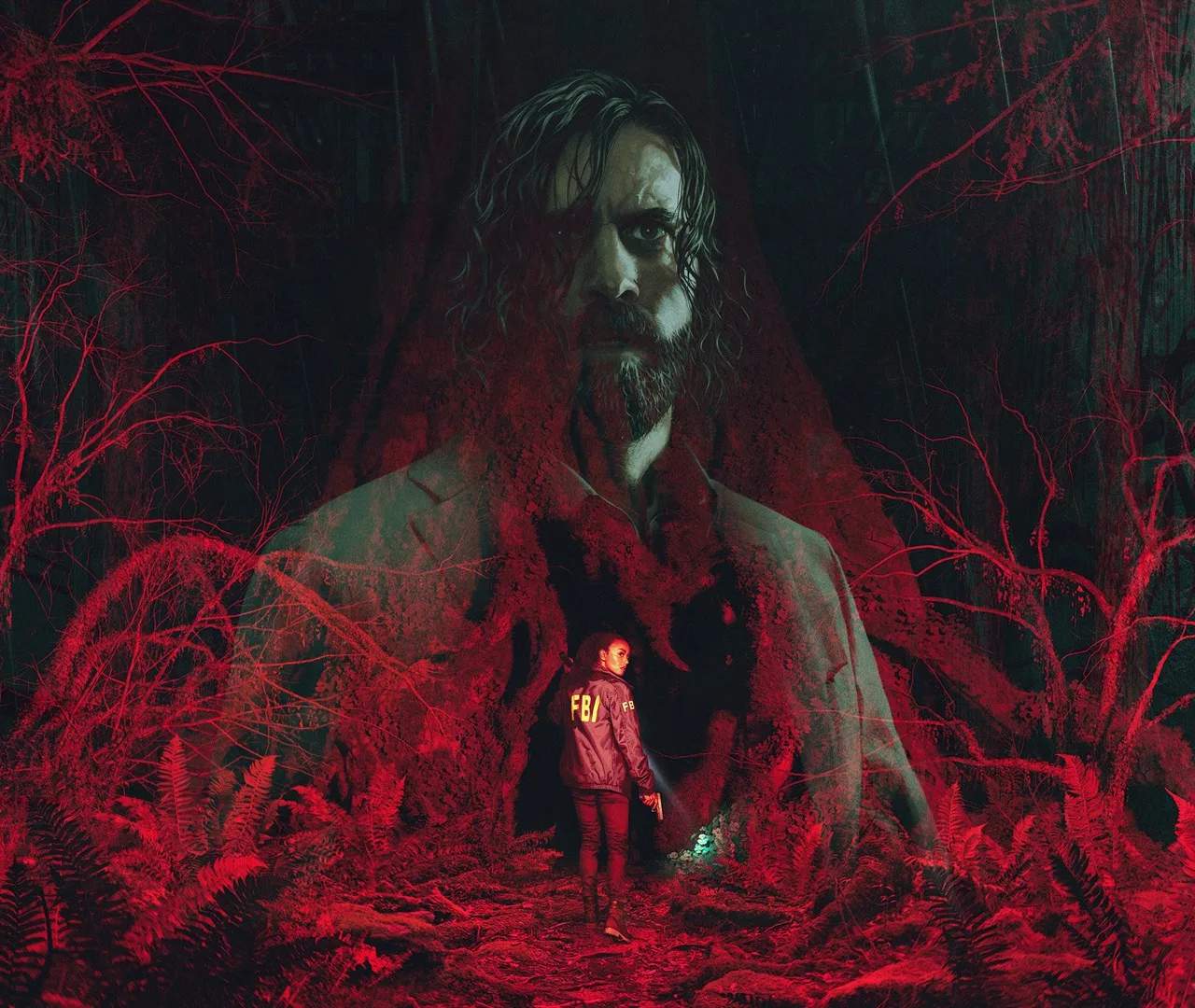
Welcome to the heart of the nightmare, detective. Alan Wake 2 masterfully weaves two distinct yet interconnected gameplay experiences through its dual protagonists: Alan Wake and Saga Anderson. Understanding their unique mechanics, how they interact, and how to leverage their strengths is paramount to surviving the horrors of the Pacific Northwest and the Dark Place. This section will break down the core gameplay loops, essential tools, and strategic considerations for both characters.
Dual Protagonist System: Shifting Perspectives
Unlike traditional linear narratives, Alan Wake 2 allows players significant agency in choosing which protagonist's story to pursue at various junctures. After an initial introductory sequence, you'll gain the ability to switch between Alan and Saga at designated Break Rooms (Saga) or Writer's Rooms (Alan). This isn't just a cosmetic choice; it fundamentally alters your immediate objectives, available tools, and the very nature of the threats you face.
- Strategic Switching: While you can switch freely at these safe havens, consider the narrative implications. If one character is facing a particularly difficult encounter or you're stuck on a puzzle, switching to the other might provide a fresh perspective or allow you to progress their story until new information or items become available that aid the first character.
- Shared Progress (Limited): While their stories are distinct, certain narrative beats and environmental changes in one character's world can subtly influence the other's. For instance, Alan's alterations to reality in the Dark Place might manifest as new pathways or clues for Saga in the real world.
Saga Anderson: The FBI Investigator
As FBI Agent Saga Anderson, your gameplay revolves around meticulous investigation, resource management, and direct combat against the Taken. Her journey takes her through the rain-soaked forests and unsettling towns of Bright Falls and Cauldron Lake.
Investigation & The Mind Place
Saga's primary tool for unraveling the mysteries is her Mind Place. This mental construct serves as her personal detective board, accessible at any time with a dedicated button press (e.g., Touchpad on PlayStation, View button on Xbox). It's here that you'll piece together clues, profile suspects, and advance the case.
- Case Board: All collected evidence, documents, and witness testimonies are pinned here. Pay close attention to the connections you can make. Drag and drop clues onto relevant case files to progress your understanding. New objectives often emerge directly from successful deductions.
- Profiler: Saga can "profile" key characters by focusing on specific evidence related to them. This provides deeper insights into their motivations and roles in the unfolding mystery.
- Manuscript Pages: Found throughout the environment, these pages offer glimpses into Alan's writing and often foreshadow future events or provide crucial context. Always collect them.
- Clue Collection: Interact with anything highlighted in the environment – notes, bloodstains, strange symbols. Each piece of evidence contributes to your Mind Place.
Combat & Resource Management
Saga faces the physically manifested Taken, requiring a blend of light and firepower.
- Light as a Weapon: Your Flashlight is not just for illumination; it's your primary defensive and offensive tool against the Taken. Holding the focus button (e.g., L2/LT) will charge your flashlight, burning away the shadowy shield protecting enemies. This is crucial before you can inflict damage with firearms.
- Firearms: Saga has access to several weapons, including a Pistol, Shotgun, and later, potentially a Crossbow. Ammunition is scarce, so make every shot count. Aim for headshots once the shadow shield is removed for maximum efficiency.
- Flares & Flashbangs: These throwable items are invaluable for crowd control. Flares can temporarily ward off multiple enemies or provide a safe zone, while Flashbangs stun and disorient, allowing for critical follow-up attacks or escapes.
- Healing Items: Keep an eye out for Painkillers and First Aid Kits. Painkillers offer a small health boost, while First Aid Kits provide a more substantial recovery. Use them strategically, especially during boss encounters.
- Inventory Management: Saga's inventory is limited. Prioritize ammunition for your preferred weapons and essential healing items. You can store excess items in Supply Stashes found in Break Rooms.
Alan Wake: The Writer in the Dark Place
Alan's gameplay is a more surreal and psychological experience, centered around manipulating the very fabric of reality within the Dark Place using his writing.
The Writer's Room & Plot Board
Similar to Saga's Mind Place, Alan has his Writer's Room, a mental space where he can access his Plot Board. This is where the core mechanic of "Plotting" comes into play.
- Plotting Reality: Alan collects Plot Elements (ideas, concepts, scenes) throughout the Dark Place. On the Plot Board, you can assign these Plot Elements to specific Scenes in the environment. This literally changes the reality around Alan, opening new paths, revealing clues, or altering enemy encounters. Experiment with different combinations!
- Source of Inspiration: Pay attention to environmental cues and narrative prompts. The Dark Place often provides subtle hints about which Plot Elements might be relevant to a given Scene.
- Rewriting the Narrative: Successfully plotting a Scene can unlock new areas, solve environmental puzzles, or even weaken enemies by altering their "narrative" weaknesses.
Combat & Light Manipulation
Alan's encounters are often less about direct confrontation and more about strategic use of light and environmental manipulation.
- Angel Lamp: This unique device allows Alan to absorb and project light. It's crucial for solving light-based puzzles, revealing hidden pathways, and temporarily stunning enemies. Holding the lamp's charge can create powerful bursts of light.
- Flashlight: Like Saga, Alan has a flashlight, but its primary use is often for revealing hidden objects or triggering environmental interactions rather than direct combat.
- Flare Gun: Alan's primary offensive weapon against the shadowy inhabitants of the Dark Place. Ammunition is extremely limited, so use it only when absolutely necessary or against particularly tough foes.
- Environmental Hazards: The Dark Place is full of environmental dangers and opportunities. Use light sources to your advantage, lure enemies into traps, or exploit the altered reality to gain an upper hand.
Shared Mechanics & General Tips
- Break Rooms / Writer's Rooms: These safe havens are not just for switching characters. They are also where you can save your game, manage inventory (Saga), upgrade weapons (Saga), and access the Mind Place/Writer's Room. Always make use of them.
- Collectibles: Beyond manuscript pages, keep an eye out for Lunchboxes (Saga, containing Manuscript Fragments for weapon upgrades) and Words of Power (Alan, for character upgrades). These are vital for strengthening your protagonists.
- Map Usage: Both characters have access to a map. Use it frequently to track objectives, identify points of interest, and navigate the often-confusing environments.
- Environmental Storytelling: Alan Wake 2 excels at subtle environmental storytelling. Take your time to observe your surroundings; clues and narrative insights are often hidden in plain sight.
- Difficulty: The game offers various difficulty settings. If you find yourself struggling, don't hesitate to adjust it. The narrative experience remains compelling regardless of the challenge level.