Darkness & Its Effects
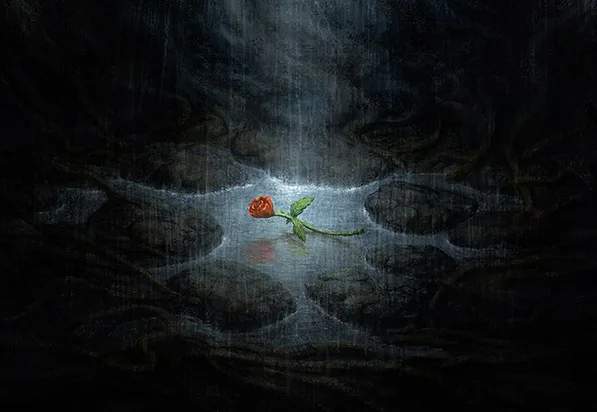
Darkness is a pervasive and potent threat in Amnesia: The Dark Descent, acting as both a psychological weapon and a direct impediment to Daniel's well-being. Prolonged exposure to darkness not only drains sanity but also makes navigation incredibly difficult, forcing players into a constant, tense struggle between seeking light and avoiding the creatures that are drawn to it.
The game mechanics directly link darkness to a decrease in Daniel's sanity. As the environment grows darker, the screen may begin to blur, colors can become distorted, and unsettling whispers might fill the air. This visual and auditory degradation serves to disorient You and amplify the sense of dread. It's a constant reminder that staying in the shadows is detrimental to Daniel's mental state.
Consequences of Darkness:
- Sanity Drain: The most sificant effect. The longer Daniel remains in darkness, the lower his sanity becomes, leading to hallucinations and impaired perception.
- Reduced Visibility: Darkness makes it difficult to see immediate threats, navigate pathways, and find crucial items.
- Increased Paranoia: The inability to see clearly amplifies the player's fear, making every sound and shadow seem like a potential danger.
- Attraction of Enemies: While darkness conceals Daniel, it also makes him a more vulnerable target for creatures that can sense him.
The game presents a cruel paradox: light is essential for maintaining sanity and visibility, but it also attracts the attention of the castle's monstrous inhabitants. This forces players into a delicate balancing act. Players must strategically use their lantern and tinderboxes to create pockets of light, illuminating only what is necessary to progress while minimizing their exposure. The constant threat of the encroaching Shadow, a formless darkness that must be outrun, further emphasizes the danger of prolonged periods without light. This interplay between light and darkness is a core element of Amnesia's terrifying atmosphere.