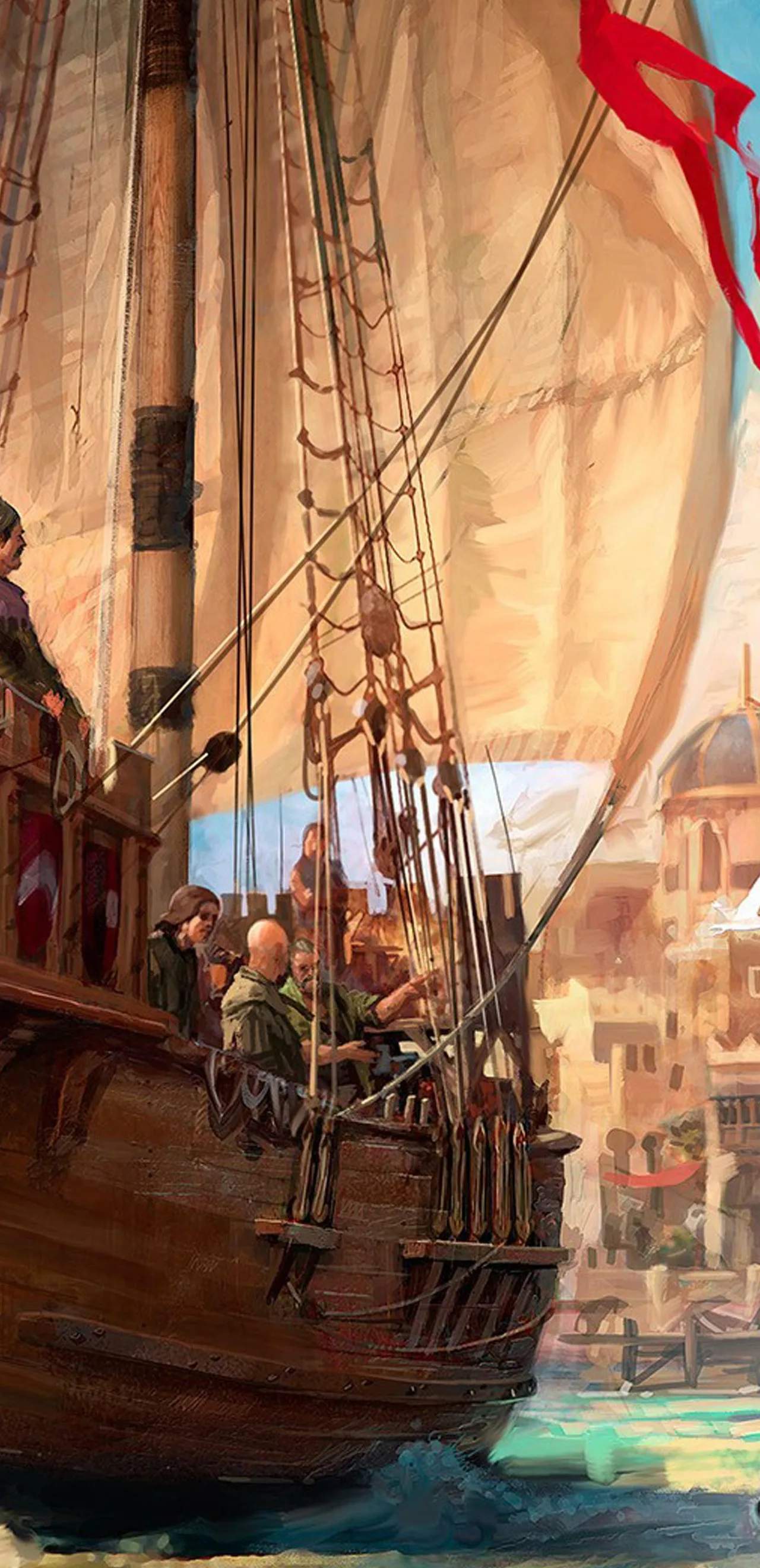
Expeditions and Discoveries
Anno 1404 offers a rich world beyond your initial island, ripe for exploration and the discovery of valuable resources and trade partners. Mastering expeditions is crucial for expanding your empire, securing rare goods, and completing challenging quests. This comprehensive guide will equip you with the knowledge to navigate the vast seas, establish thriving outposts, and uncover the secrets hidden within the game world.
Initial Exploration and Settlement
Your first step in any game of Anno 1404 is to scout your immediate surroundings. Do not simply settle on the first island you encounter. use your starting flagship, the most versatile vessel in your early game fleet, to meticulously explore nearby islands. Prioritize islands that offer a strategic advantage for your burgeoning empire. When evaluating potential settlement locations, look for the following critical factors:
- Fertility: Different islands possess unique fertilities, dictating which crops can be cultivated. For example, you'll find islands suitable for Hemp, Wheat, and Hops in the Northern territories, while the Oriental regions are home to Spices, Dates, and Indigo. A diverse set of fertilities across your controlled islands is paramount for establishing a self-sufficient and resilient economy, minimizing reliance on costly trade.
- Raw Materials: Access to essential raw materials is non-negotiable for industrial production. Iron Ore, Copper Ore, and Stone are fundamental for constructing advanced buildings, tools, and military units. Ensure your chosen main island, or at least a very close secondary island, possesses these vital deposits. Look for visible ore veins and stone quarries on the island's terrain.
- Building Space: Ample, flat land is an often-overlooked but crucial factor. Expanding your city, establishing extensive production chains, and constructing public buildings all require significant space. Islands with too much mountainous terrain or dense forests can severely limit your growth potential.
Once you've identified a suitable main island that meets these criteria, establish your first warehouse. This acts as your initial foothold and resource hub. From this point, continue your exploration efforts. While your flagship is capable, consider constructing a small Oriental Trading Ship from your shipyard once you have access to Oriental building materials. These ships are faster and more efficient for scouting distant territories.
Expanding Your Reach: Settling New Islands
As your population grows and their demands become increasingly complex, you will inevitably need to settle new islands. This is particularly true for acquiring specific fertilities and resources not available on your main island, especially Oriental goods like Spices, Dates, and Indigo, which are predominantly found on islands in the southern regions of the map.
- Identify Needs: Regularly monitor your citizens' needs. This can be done by clicking on individual houses, observing the marketplace, or checking the "Needs" tab in your population overview. For instance, if your Citizens (Tier 2 Northern population) begin demanding Spices, you know your next objective is to find and settle an island with Spice fertility.
- Locate Suitable Islands: Dispatch your fastest ships to explore the uncharted waters. As your ships uncover new areas, the mini-map will display small icons indicating the fertilities of uninhabited islands once they are discovered. Prioritize islands that offer the specific fertility you need, along with sufficient building space and potentially raw materials.
- Prepare for Settlement: Before embarking on a colonization mission, ensure you have the necessary building materials loaded onto your transport ship. A common mistake is to arrive at a new island without sufficient resources.
- Wood: Approximately 10-20 tons of Wood are needed for the initial warehouse and a few basic production buildings (e.g., Lumberjack's Hut, Forester's Hut).
- Tools: Crucial for constructing the warehouse itself and any subsequent advanced structures. Aim for 5-10 tons of Tools.
- Gold: Ensure you have enough gold in your treasury to cover the initial construction costs and upkeep of the new settlement.
- Establish a Beachhead: Load a transport ship (or your flagship if no dedicated transport is available) with the prepared Wood and Tools. Sail to the chosen island. Once the ship is positioned near the shore, select it and click the "Build Warehouse" button. Strategically place the warehouse; ideally, it should be near good, flat building land, close to the resource nodes you intend to exploit (e.g., Spice fields, Date plantations), and with easy access to the coastline for future trade routes.
- Develop the Outpost: Immediately after building the warehouse, begin establishing basic production chains to support the new settlement and fulfill its purpose. For a Spice island, this would involve:
- Lumberjack's Huts: To provide local wood for construction and maintenance.
- Spice Farms: The primary reason for settling the island. Place these on the fertile Spice fields.
- Market Building: Essential for attracting workers to your Spice Farms and other production facilities. Ensure it covers the desired area.
- Fisherman's Huts: To provide food for the local population.
- Chapel / Mosque: Depending on the population type, to keep them content.
Remember to connect these buildings with roads to your warehouse and market building.
- Establish Trade Routes: This is arguably the most critical step. Without a reliable trade route, the goods produced on your new island will remain there, doing you no good. Set up an automatic trade route between your main island and the new outpost.
- Route Setup: Open the "Trade Routes" menu (usually accessible via a button on your main UI).
- Add New Route: Click to create a new route.
- Select Ships: Assign a trading ship (e.g., an Oriental Trading Ship or a Small Trading Ship) to this route.
- Add Ports: Add your new outpost's warehouse as a loading port and your main island's warehouse as an unloading port.
- Configure Goods: Specify the goods to be loaded (e.g., "Load Spices" at the outpost) and unloaded (e.g., "Unload Spices" at the main island). Adjust quantities based on demand and production. Consider setting a minimum stock at the outpost to ensure local needs are met before goods are shipped out.
Uncovering Hidden Treasures: Shipwrecks and Quests
The vast seas of Anno 1404 are not merely pathways for transport; they conceal valuable secrets and opportunities for discovery. Keep a keen eye out for anomalies on the water, as they often signify hidden riches or quest objectives.
- Shipwrecks: These appear as small, dark, often slightly submerged spots on the water's surface, sometimes with debris floating around them. They are randomly generated but can also be specific quest locations. Send any ship (preferably one with good speed) to investigate them. Upon reaching a shipwreck, a small pop-up window will appear, detailing the discovery. Shipwrecks can yield:
- Valuable Goods: Rare trade goods like Silk, Coffee, or even finished products like Tools or Weapons.
- Gold: Direct injections of currency into your treasury.
- Unique Items: These are rare and highly sought-after artifacts that can be equipped on your ships or warehouses to provide powerful bonuses (e.g., increased speed, expanded warehouse capacity, improved production).
- Quest Triggers: Sometimes, investigating a shipwreck will trigger a new quest or advance an existing one.
Specific Shipwreck Example: Early in the campaign, you might encounter a quest from Lord Northburgh to find the "Lost Treasure of the Templars." This often involves investigating a specific shipwreck marked on your map, which will then lead to further clues or a direct reward.
- Floating Goods: Occasionally, you'll spot individual crates, barrels, or bundles of resources floating on the water. These are usually smaller amounts of common goods such as Wood, Stone, or Food. While not as lucrative as shipwrecks, they are free resources and can be a welcome bonus, especially in the early game. Simply sail a ship over them to collect.
- Quest Markers: Key characters such as Lord Northburgh (representing the Occident) and Grand Vizier Al Zahir (representing the Orient) will frequently offer quests that involve exploration. These quests are vital for progressing the storyline, earning reputation, and acquiring unique rewards. Quest objectives might include:
- Finding a Specific Item: "Locate the lost manuscript of Brother Hilarius." The quest description will often provide clues about the general area or type of location (e.g., "near a desolate island," "in the northern seas").
- Delivering Goods to a Distant Island: "Transport 50 tons of Dates to the starving populace of Isle of Hope." These quests test your logistical capabilities and often involve navigating through potentially dangerous waters.
- Uncovering a Hidden Pirate Cove: "Scout the waters west of the Serpent's Tooth archipelago for signs of Hassan's hideout." These quests can lead to naval battles or diplomatic encounters.
Pay close attention to the quest descriptions and dialogue for clues on where to search. The quest log (usually accessed via a button on the UI) will often highlight the general area on your minimap.
Pro-Tip for Exploration: Equip your exploration ships with specific items to enhance their capabilities. If you acquire items like Sailors, Cartographers, or Navigators, assign them to your scouting vessels.
- Sailors: Increase ship speed, allowing for faster exploration.
- Cartographers: Expand your ship's sight range, revealing more of the map with each movement.
- Navigators: Can sometimes reduce the chance of encountering hostile ships or improve evasion.
Dealing with Pirates and Competitors
As your empire expands and your trade routes lengthen, you will inevitably encounter challenges from other factions. Pirates, led by the infamous Hassan ben Sahid, will actively raid your trade ships and even attack your settlements. AI competitors, such as Guy Forcas or Cardinal Lucius, will also vie for prime island locations and resources, potentially leading to territorial disputes or even open warfare.
- Naval Defense: A strong defense is your best offense against piracy and rival aggression.
- Watchtowers and Fortifications: Construct Watchtowers and Fortifications (such as Small Fortifications and Large Fortifications) on your key islands, especially those with valuable production chains or strategic importance. Place them along the coastline to cover your harbors and production areas. These structures will automatically engage hostile ships within their range.
- Patrol Fleets: Build a small but effective fleet of warships. Early on, Small Warships are sufficient for deterring minor pirate raids. As your economy grows, upgrade to Large Warships for superior firepower and durability. Assign these fleets to patrol your most vulnerable trade routes or station them near critical outposts.
- Harbor Defenses: Consider building Repair Cranes in your harbors. These will automatically repair damaged ships, reducing downtime and maintenance costs.
Pirate Tactics: Hassan's pirates often target ships carrying valuable goods. They tend to operate from hidden coves. You can sometimes pay tribute to Hassan to temporarily deter him, but this is a short-term solution. The most reliable long-term strategy is a strong, active navy.
- Diplomacy: Maintaining good relations with the main factions is crucial for stability and support.
- Lord Northburgh & Grand Vizier Al Zahir: Regularly complete quests for them, trade with them, and offer gifts to improve your reputation. A high reputation can lead to military support (they might send ships to defend you), favorable trade agreements, or access to unique items and technologies.
- AI Competitors (e.g., Guy Forcas, Cardinal Lucius): Monitor their reputation towards you. If it drops too low, they might declare war, block your trade routes, or even attempt to settle islands you desire. You can improve relations by trading with them, completing their quests, or offering tribute. Conversely, if you plan to conquer their islands, you'll need to prepare for conflict.
- Strategic Settlement: When choosing new islands to settle, consider their proximity to known pirate lairs or AI competitors. While an island might have ideal fertilities, if it's constantly under attack, the economic benefits might be outweighed by the military costs. Sometimes, a slightly less ideal island that is more defensible or further from hostile territories might be the safer and more profitable long-term choice. Scout the surrounding waters thoroughly before committing to a new outpost.
By diligently exploring the world, strategically settling new territories, establishing robust trade networks, and effectively defending your discoveries, you will unlock the full potential of your Anno 1404 empire, transforming a small settlement into a flourishing civilization.