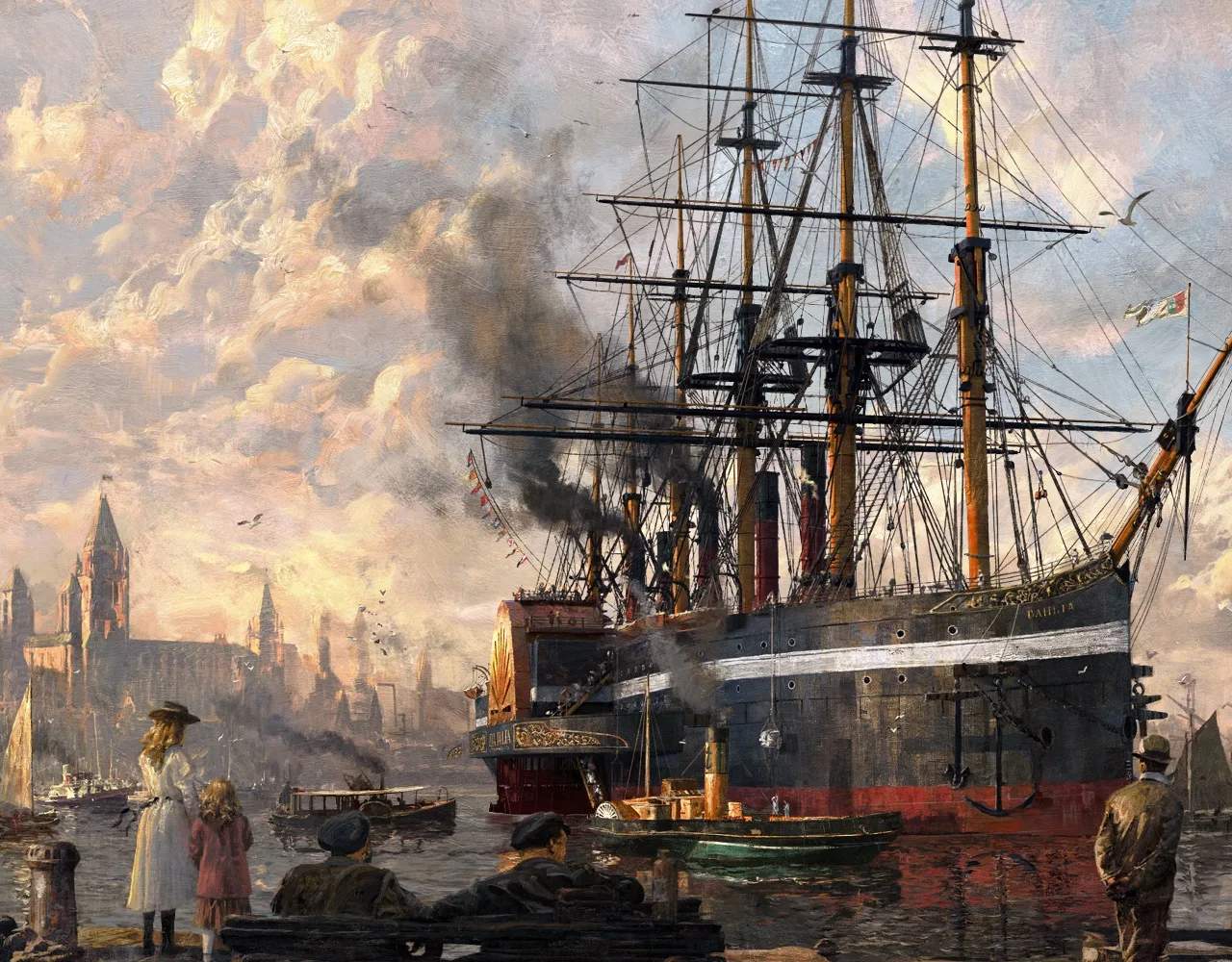
Historical Context & Lore
Anno 1800 immerses players in the vibrant and tumultuous era of the 19th century, specifically the dawn of the Industrial Revolution. This period, roughly from 1800 to the early 1900s, was characterized by unprecedented technological advancement, societal upheaval, and global expansion. Understanding this historical backdrop is key to appreciating the game's mechanics, challenges, and narrative.
The Industrial Revolution: A New World Order
The core of Anno 1800's setting is the Industrial Revolution. This wasn't just about factories and machines; it was a complete societal transformation. Players will experience:
- Technological Innovation: From the steam engine to electricity, new inventions constantly reshape production and daily life. You'll research and implement these advancements through the Research Institute (available in the "Bright Harvest" DLC) and by progressing through citizen tiers. For instance, unlocking the Steam Shipyard allows for the construction of more efficient cargo and war vessels, a direct reflection of historical naval innovation.
- Urbanization: The shift from agrarian societies to industrial centers led to massive population growth in cities. Managing this growth, providing housing, and addressing the needs of different social classes (from Farmers to Investors) is a central gameplay loop. Neglecting their needs, such as a lack of Sausages for Workers or Coffee for Artisans, can lead to riots and decreased productivity.
- Global Trade and Colonialism: The thirst for raw materials and new markets fueled intense global competition. The New World in Anno 1800 represents these colonial ventures, providing vital resources like Cotton and Tobacco that are essential for Old World industries and luxury goods. Establishing efficient trade routes using Cargo Ships and managing diplomatic relations with other empires (represented by AI opponents like Bente Jorgensen or Artur Gasparov) is crucial.
- Social Stratification and Labor Issues: The game subtly reflects the class divisions of the era. Workers demand basic necessities, while Artisans seek more refined goods, and Investors desire luxuries and entertainment. The introduction of Newspaper mechanics allows you to influence public opinion, mirroring the growing power of media in the 19th century.
Key Factions and Their Historical Echoes
The various characters and factions in Anno 1800 are not just gameplay elements; they embody different aspects of the 19th century:
- The Crown: While not a direct playable faction, the overarching influence of a monarchical power is felt through quests and the initial setup. This reflects the continued presence of empires at the time, even as industrialization began to shift power dynamics.
- Industrialists: Characters like Edward Goodwin represent the burgeoning industrial magnates, focused on efficiency and profit, often at the expense of worker welfare. Their questlines often involve expanding production and exploiting new resources.
- Environmentalists/Conservationists: The game includes elements that hint at the early environmental concerns that arose with industrialization, though these are often secondary to economic growth. The impact of pollution from Steelworks or Heavy Forges on citizen happiness is a direct gameplay manifestation.
- Revolutionaries/Anarchists: While not explicitly named, the discontent among the lower classes and the potential for riots if needs are unmet can be seen as an echo of the social unrest and revolutionary movements that swept through Europe during this period.
Lore Integration: Beyond the Gameplay
Anno 1800's lore is woven into its gameplay through:
- Expeditions: These ventures into uncharted territories (e.g., the Arctic in the "The Passage" DLC) mirror the real-world age of exploration and scientific discovery, often with perilous outcomes. Equipping your Expedition Ship with the right Provisions, Medicines, and Hunting Equipment is vital for success, reflecting the challenges faced by historical explorers.
- World's Fairs: The construction of a World's Fair in your capital city is a direct nod to the grand exhibitions of the 19th century (like the Great Exhibition of 1851), showcasing technological prowess and cultural achievements. Successfully hosting one provides significant bonuses and attracts tourists.
- Newspaper Articles: The daily newspaper provides snippets of in-game events, political commentary, and social issues, often reflecting the dramatic changes and debates of the 1800s. Pay attention to headlines about Worker Strikes or New Inventions as they can offer clues about upcoming challenges or opportunities.
- Item Descriptions and Quests: Many items, especially those found through expeditions or offered by traders, have detailed descriptions that enrich the historical context. Questlines often involve historical figures or events, providing a narrative thread to your industrial empire. For example, some quests might involve assisting a struggling inventor with their Electrical Generator prototype.
By understanding these historical underpinnings, You can make more informed strategic decisions, appreciate the subtle narrative cues, and fully immerse themselves in the "creation of a new world" that Anno 1800 so masterfully portrays.