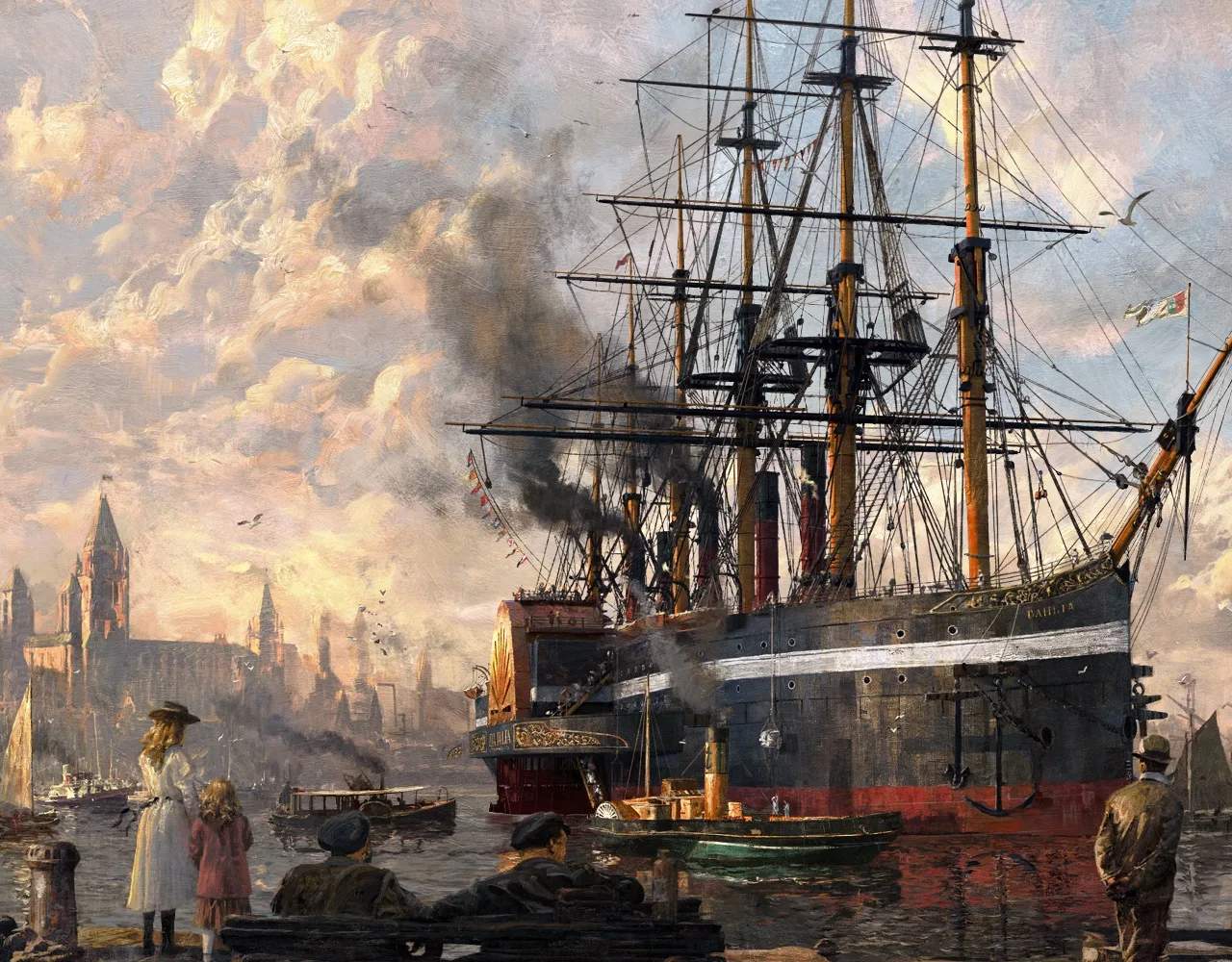
Expeditions
Expeditions in Anno 1800 are pivotal multi-stage journeys that send your ships into uncharted waters, offering rich rewards and significant strategic advantages. These voyages are essential for discovering new islands, acquiring unique and powerful items, completing narrative-driven events, and expanding your influence across the globe. Mastering expeditions requires careful planning, strategic provisioning, and a keen understanding of the challenges that lie ahead.
Initiating an Expedition
To embark on an expedition, follow these steps:
- Select a Ship: Choose any available ship from your fleet. Larger ships (e.g., Frigates, Ships of the Line, Battle Cruisers) generally have more cargo slots and higher base expedition stats, making them ideal for more challenging voyages.
- Access the Expedition Menu: With the ship selected, click the 'Expedition' button located in the ship's action bar at the bottom of the screen. This will open the expedition preparation interface.
- Choose an Expedition: From the available list, select the expedition you wish to undertake. Expeditions vary in difficulty, duration, and potential rewards. Early game expeditions might focus on discovering new regions like the New World, while later ones could involve seeking legendary artifacts or completing complex narrative quests.
Provisioning Your Ship: The Key to Success
Before setting sail, you must provision your ship with various goods. These provisions are consumed during expedition events to overcome challenges, maintain crew morale, and ensure the journey's success. Each expedition has specific requirements, but general categories include:
- Food: Essential for crew sustenance. Examples include Fish, Canned Food, Schnapps. Higher-tier foods often provide better morale bonuses or higher success chances for specific events.
- Morale Items: Crucial for keeping your crew happy and preventing mutiny. Examples include Rum, Coffee, Tobacco.
- Tools & Equipment: Used for repairs, construction, or solving technical challenges. Examples include Wood, Steel Beams, Advanced Weapons.
- Luxury Goods: Can significantly boost morale or provide unique advantages in certain events. Examples include Chocolate, Jewelry, Furs.
The expedition interface will clearly indicate the types and quantities of goods required or recommended. Always aim to over-provision slightly, as unexpected events can deplete resources faster than anticipated.
Specialists: Your Crew's Secret Weapon
Specialists are unique characters that can be assigned to your expedition ship. Each specialist possesses specific traits and abilities that significantly boost your ship's expedition stats (e.g., Hunting, Faith, Diplomacy, Craftsmanship, Navigation, Fighting). These stats directly influence your success chance in various expedition events.
- Acquiring Specialists: Specialists can be obtained from various sources:
- Quests and World Events
- Trading with other factions (e.g., Madame Kahina, Archibald Blake)
- Purchasing from the Research Institute (late game)
- Random drops from successful expeditions
- Assigning Specialists: Drag and drop specialists into the designated slots on your expedition ship. Pay attention to the expedition's theme and potential challenges to choose specialists whose skills align best with the voyage. For instance, a "Hunting" specialist is invaluable for expeditions involving wildlife encounters, while a "Diplomacy" specialist can smooth over interactions with natives.
Expedition Events and Challenges
Once underway, your expedition will encounter a series of random events and challenges. These are presented as text-based choices, each with a percentage chance of success based on your ship's provisions and specialist stats. Common event types include:
- Resource Gathering: Finding new food sources, water, or raw materials.
- Navigation Challenges: Storms, reefs, or dense fog requiring skilled navigation.
- Wildlife Encounters: Hunting for food or defending against dangerous animals.
- Diplomatic Encounters: Interacting with native populations or other factions.
- Repair & Maintenance: Dealing with ship damage or equipment malfunctions.
- Morale Events: Situations that can boost or severely deplete crew morale.
Strategy Tip: Always read the event descriptions carefully. They often provide clues about which specialist skill or provision type will be most effective. Sometimes, choosing a safer, less rewarding option is better than risking a critical failure on a high-reward choice.
Common Pitfalls and How to Avoid Them
- Insufficient Provisions: Running out of food or morale items can lead to crew sickness, mutiny, or even the loss of your ship. Always over-provision.
- Ignoring Morale: Low morale significantly reduces success chances and increases the risk of negative events. Keep your crew happy with Rum, Coffee, and other morale boosters.
- Wrong Specialists: Sending a ship with no "Hunting" specialist on an expedition known for dangerous wildlife encounters is a recipe for disaster. Match your specialists to the expedition's theme.
- Ignoring Ship Damage: Failing to repair your ship can lead to it sinking, especially during storms or combat events. Always carry Wood or Steel Beams for repairs.
- Over-reliance on High-Risk Options: While high-risk choices can offer great rewards, consistently choosing them without adequate stats or provisions will likely lead to failure.
Rewards and Benefits
Successful expeditions yield a variety of valuable rewards:
- Legendary and Epic Items: These are often the primary draw of expeditions, providing powerful buffs to production, trade, or public services. Examples include:
- Feras Alsarami, the Master Engineer: +50% Workforce, +50% Production for specific factories.
- Nate's Old World Airship: Significantly boosts airship speed and cargo capacity.
- The Scepter of the Sun: Provides a massive influence bonus.
- Influence: A crucial resource for expanding your empire, building public buildings, and acquiring shares.
- New Trade Routes: Discovering new islands or regions opens up opportunities for new production chains and trade.
- New World Access: The very first expedition to the New World is a critical step in game progression.
- Unique Specialists: Sometimes, successful expeditions will bring back new specialists for your use.
- Currency and Resources: Gold, construction materials, and other valuable goods.
Expedition Tiers and Difficulty
Expeditions are categorized by difficulty, typically indicated by stars or a specific tier level. Higher-tier expeditions require more robust provisioning, better specialists, and larger ships to succeed. Always start with easier expeditions to gain experience and acquire basic specialists before tackling the most challenging voyages.
By carefully planning your provisions, selecting the right specialists, and making informed decisions during events, you can ensure your expeditions are a resounding success, propelling your empire to new heights of prosperity and influence.