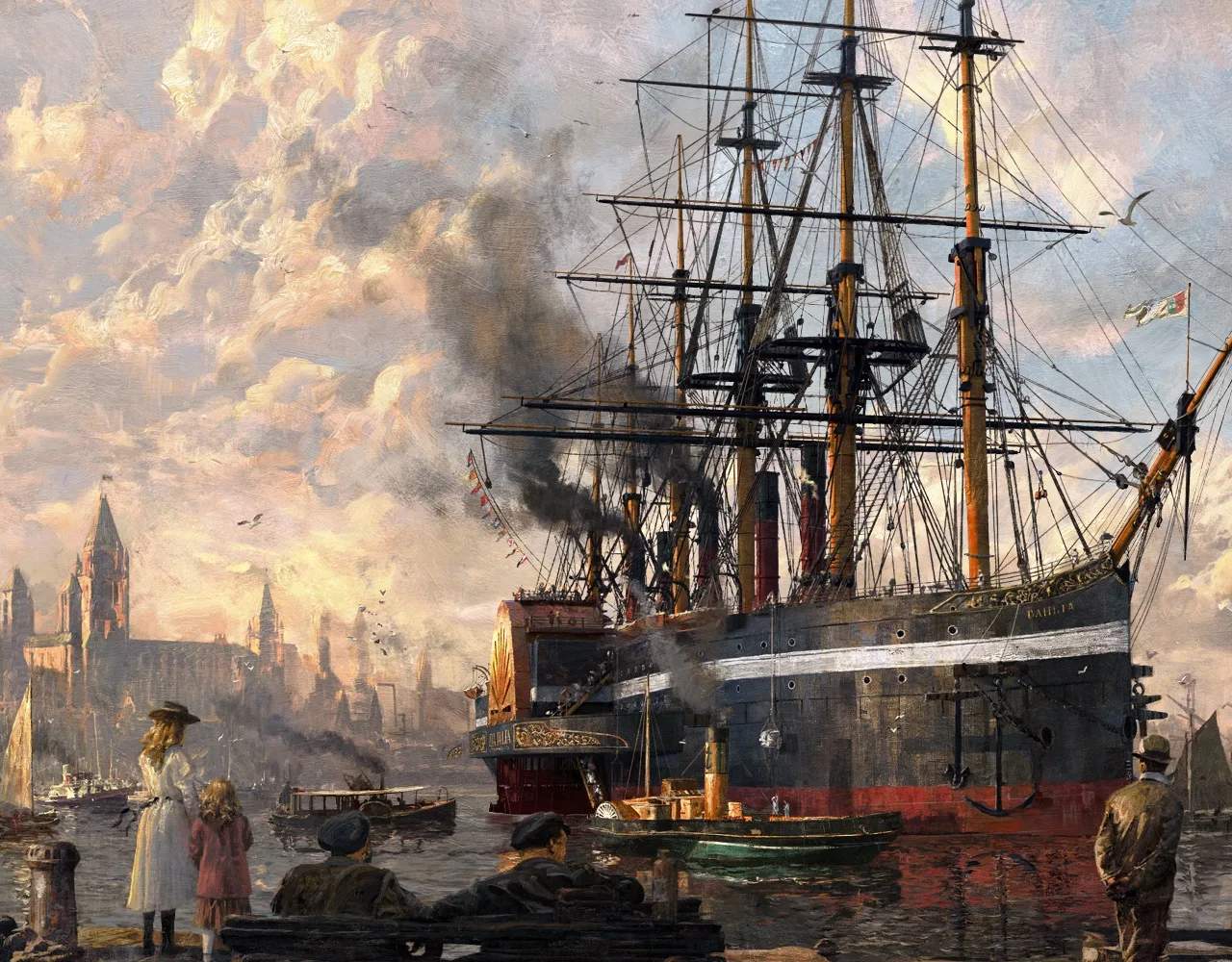
Efficient Trade Route Management
Mastering trade routes is the backbone of a thriving empire in Anno 1800. A well-managed trade network ensures a steady flow of resources, keeps your population happy, and fuels your industrial expansion. This guide will walk you through the intricacies of setting up, optimizing, and protecting your trade routes to achieve unparalleled efficiency.
Understanding Trade Route Types
Anno 1800 offers different types of trade routes, each suited for specific scenarios. Choosing the right type is crucial for maximizing efficiency and minimizing costs.
- Regular Trade Routes: These are your workhorses, managed by your own ships. They offer the highest flexibility in terms of cargo, frequency, and ship upgrades. Use them for transporting essential goods between your islands, especially for high-volume production chains.
- Charter Routes: Available early in the game, these routes utilize AI-controlled ships for a fee. They are excellent for establishing initial supply lines for goods you don't yet produce or for fulfilling occasional, low-volume demands without committing your own fleet. They are less efficient and more expensive in the long run compared to regular routes but provide immediate solutions.
- World's Fair Routes: While not a traditional trade route for goods, these are crucial for transporting construction materials and exhibits to your World's Fair. They function similarly to regular trade routes but have specific cargo requirements and time limits.
- Expedition Routes: These are specialized routes for sending ships on expeditions to discover new regions or acquire unique items. They are not for regular commodity trade but are vital for game progression and acquiring rare resources.
Setting Up and Optimizing Regular Trade Routes
Regular trade routes are where the majority of your logistical efforts will be focused. Follow these steps for optimal setup:
- Access the Trade Route Menu: Open the "Trade Routes" menu (default hotkey: 'T'). Click "Add New Route" to begin.
- Select Islands and Goods:
- Origin Island: Choose the island where the goods will be picked up.
- Destination Island: Choose the island where the goods will be dropped off.
- Add Goods: Click the '+' icon next to each island to select the specific goods you want to transport. Specify the quantity to load and unload. For example, "Load 50 Timber" at Island A, "Unload 50 Timber" at Island B.
- Return Journey: For maximum efficiency, design routes that carry goods in both directions. For instance, a ship might take Timber from Island A to Island B, then pick up Steel Beams at Island B and return to Island A. This minimizes empty trips.
- Assign Ships:
- Ship Type: For most trade, use dedicated cargo ships like the Schooner (early game), Clipper (mid-game), or Cargo Ship (late game). These have higher cargo capacities.
- Quantity: Assign enough ships to meet demand. Monitor your warehouse stocks at both ends of the route. If goods are constantly running out, add more ships or increase frequency.
- Configure Route Options:
- Minimum Stock: In the warehouse menu of each island, set a "Minimum Stock" for critical goods. This prevents your trade ships from selling goods that are essential for local production or population needs. Goods below this threshold will not be loaded onto trade ships.
- Wait for Full Load/Unload: This option ensures ships only depart when their cargo holds are full or empty as specified. While it can cause delays, it prevents ships from making inefficient partial trips. Use it for high-volume goods where consistent delivery is paramount.
- Prioritize Route: For critical supply lines, you can prioritize a route, ensuring ships are assigned to it before less important routes.
Managing Trade Route Capacity and Frequency
Balancing capacity and frequency is key to avoiding bottlenecks and oversupply.
- Monitor Warehouse Stocks: Regularly check the warehouse statistics on your islands.
- Depleting Stocks: If a good is consistently low or running out, you need more capacity. Add more ships to the route, upgrade existing ships, or increase the quantity loaded per trip.
- Overflowing Stocks: If a good is constantly maxed out, you have too much capacity. Reduce the number of ships, decrease the quantity loaded, or find new consumers for the surplus.
- Ship Upgrades (Items): Equip your trade ships with items to boost their performance.
- Speed Items: Steam Propeller, Advanced Sailcloth. These reduce travel time, effectively increasing frequency.
- Cargo Capacity Items: Reinforced Hull Plating, Efficient Cargo Holds. These allow ships to carry more goods per trip, increasing capacity.
- Loading Speed Items: Automated Cranes. These reduce the time ships spend in port, improving overall route efficiency.
- Route Frequency: The number of ships on a route directly impacts its frequency. More ships mean more frequent deliveries. However, too many ships can lead to congestion in ports and unnecessary maintenance costs. Aim for a frequency that keeps your destination warehouses adequately stocked without causing excessive buildup.
Protecting Your Trade Routes
Your valuable cargo is a tempting target for pirates and rival AI. Protecting your trade routes is non-negotiable.
- Pirate Threats:
- Early Game: Anne Harlow and Jean La Fortune are constant threats. Their bases are typically located in the Old World and New World respectively.
- Defense Strategy:
- Escort Ships: Assign a few combat ships (e.g., Frigates, Monitors) to patrol your most critical trade routes. You can add them directly to a trade route as a "Guard Ship."
- Naval Bases: Build defensive structures like Cannons and Coastal Defenses at strategic chokepoints or near your main trading ports.
- Diplomacy: Pay tribute to pirates to temporarily pacify them, or engage in quests for them to improve relations. This is a short-term solution.
- Elimination: The most permanent solution is to destroy their pirate bases. This often requires a significant fleet and careful planning.
- AI Rival Threats:
- Warfare: During wartime, AI opponents will actively target your trade ships.
- Defense Strategy:
- Naval Superiority: Maintain a strong combat fleet to deter or engage enemy fleets.
- Secure Routes: Reroute critical trade through safer, more heavily defended waters if possible.
- Peace Treaties: Work towards peace treaties or alliances to secure your trade.
- Common Pitfalls:
- Underestimating Pirate Strength: Don't send a single Schooner against a pirate flagship.
- Neglecting Defenses: A single undefended trade route can cripple your economy if repeatedly raided.
- Ignoring Notifications: Pay attention to notifications about pirate activity or ships under attack.
Advanced Strategies and Tips
- Specialized Routes: Create dedicated routes for specific goods. For instance, a "Grain Route" between your farming island and your schnapps distillery.
- Multi-Island Routes: For complex production chains, a single route can stop at multiple islands, dropping off and picking up different goods at each stop. Be mindful of potential delays with too many stops.
- Trade Route Statistics: Regularly check the "Trade Route Statistics" tab in the Trade Routes menu. This provides invaluable data on goods transported, profit/loss, and potential bottlenecks. Look for routes with consistently low efficiency or high waiting times.
- Blueprint Mode for Ships: When planning large-scale expansions, build ships in blueprint mode at your shipyards. This allows you to queue up multiple vessels without immediately paying their full cost, then activate them when needed.
- The "Arctic" Trade: If you have The Arctic DLC, remember that airships are excellent for high-value, low-volume goods due to their speed and ability to ignore naval blockades. They also have unique cargo slots for gas.
By diligently applying these principles, you will transform your logistical network from a potential headache into a finely tuned engine of prosperity, ensuring your empire in Anno 1800 flourishes.