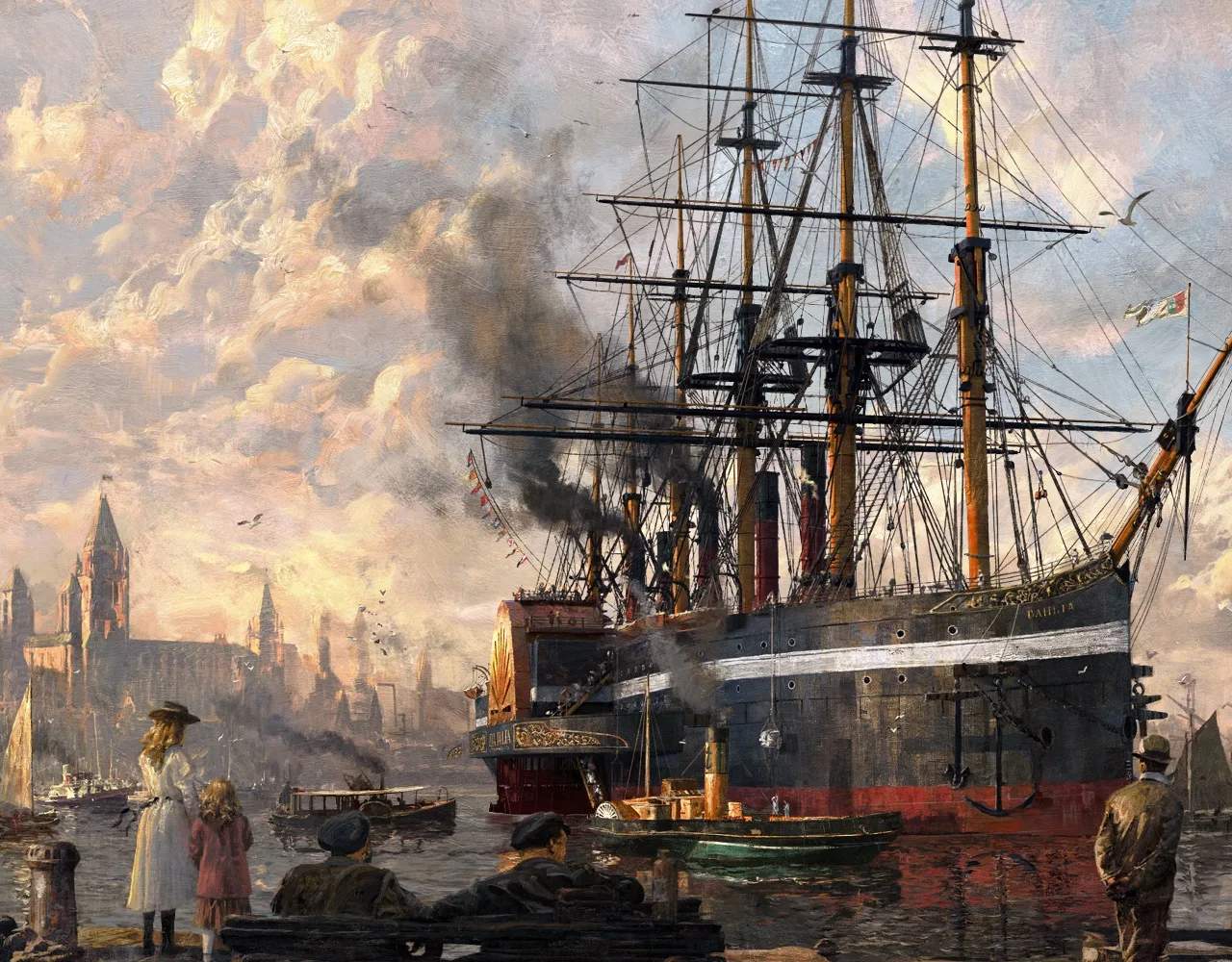
Chapter 5: The Grand Exhibition
Chapter 5, "The Grand Exhibition," marks a pivotal moment in your Anno 1800 campaign, demanding not just industrial prowess but also strategic foresight and meticulous resource management. This monumental undertaking serves as the ultimate test of your burgeoning empire, pushing your logistical capabilities to their absolute limits. Successfully completing the Grand Exhibition is more than just a campaign objective; it unlocks significant long-term benefits, including powerful permanent buffs for your islands, a substantial boost to your influence, and access to unique specialists and items that can further optimize your production chains and citizen happiness.
The core challenge lies in constructing the Grand Exhibition building itself, followed by hosting a series of increasingly demanding exhibitions. Each stage requires specific goods in vast quantities, often rare or complex to produce, necessitating a robust supply chain stretching across multiple islands and regions. Prepare for a significant investment of time, resources, and strategic planning.
Building the Grand Exhibition
The Grand Exhibition is a multi-stage construction project, similar to the World's Fair in previous Anno titles. It's located in your main Old World session, typically on your capital island or another large island with ample space. The construction process is divided into several phases, each requiring different materials.
Phase 1: Foundations
This initial phase lays the groundwork for the colossal structure. It's relatively straightforward but sets the tone for the resource demands to come.
- Materials Required:
- Wood: 200 tons
- Bricks: 150 tons
- Steel Beams: 50 tons
- Strategy: Ensure a steady supply of these basic building materials. If you haven't already, optimize your lumberjack camps, brick factories, and steelworks. Consider setting up dedicated trade routes for these goods if your capital island's production is insufficient.
Phase 2: Framework
The structure begins to take shape, demanding more advanced industrial goods.
- Materials Required:
- Steel Beams: 100 tons
- Windows: 75 tons
- Reinforced Concrete: 50 tons
- Strategy: Windows require Quartz Sand and Glass, while Reinforced Concrete needs Cement and Steel Beams. Ensure your glassworks and cement factories are running efficiently. You might need to establish new production chains or expand existing ones. Consider importing Quartz Sand from the New World if local deposits are scarce.
Phase 3: Grand Hall & Dome
This is often the most resource-intensive phase, requiring high-tier goods.
- Materials Required:
- Advanced Weapons: 30 tons (Requires Brass, which needs Copper and Zinc)
- Steam Motors: 40 tons (Requires Steel, Brass, and Wood)
- Gold: 20 tons (Requires Gold Ore and a Gold Smelter)
- Filaments: 25 tons (Requires Cotton and Rubber, both New World goods)
- Strategy: This phase introduces significant complexity. You'll likely need to establish robust trade routes with the New World for Cotton and Rubber. Gold production is crucial; ensure you have a gold mine and smelter operational. Advanced Weapons and Steam Motors require intricate production chains; consider using specialists to boost output or reduce input costs. This is where your logistical network will be truly tested.
Phase 4: Finishing Touches
The final stage of construction, focusing on aesthetics and functionality.
- Materials Required:
- Ornaments: 50 tons (Requires Gold and Jewelery)
- Light Bulbs: 30 tons (Requires Filaments and Glass)
- Coffee: 75 tons (New World good)
- Chocolate: 50 tons (New World good)
- Strategy: Ornaments are a new production chain, requiring Jewelery (Gold and Pearls). Pearls are found in the Arctic or can be purchased from traders. Light Bulbs leverage your existing Filament and Glass production. The inclusion of Coffee and Chocolate emphasizes the importance of your New World colonies and efficient trade routes. Ensure you have sufficient cargo ships dedicated to these routes.
Hosting Exhibitions
Once the Grand Exhibition is built, you can start hosting exhibitions. These are timed events where you supply specific goods to attract visitors and gain rewards. There are four tiers of exhibitions, each more demanding than the last:
- Local Exhibition: Basic goods, short duration.
- Regional Exhibition: Mid-tier goods, moderate duration.
- National Exhibition: Advanced goods, longer duration.
- World Exhibition: High-tier and rare goods, very long duration, significant rewards.
Each exhibition type has a specific set of goods it requests. You'll see these requests in the Grand Exhibition menu. You need to deliver these goods to the exhibition building within the time limit. The more goods you deliver, the higher the "attractiveness" of your exhibition, leading to better rewards.
Common Pitfalls & Tips for Exhibitions:
- Resource Hoarding: Before starting an exhibition, ensure you have a substantial stock of the requested goods. Don't rely solely on real-time production during the event.
- Dedicated Trade Routes: Set up specific trade routes to deliver the required goods directly to your Grand Exhibition island. Prioritize these routes.
- Production Boosts: Use specialists in your factories that produce exhibition goods to increase output or reduce production time. Items like "Feras Alsarami, the Master Engineer" can be incredibly useful.
- Influence Management: Hosting exhibitions costs influence. Ensure you have a healthy surplus of influence to avoid negative impacts on your empire.
- Cancel and Restart: If you realize you cannot meet the demands of an exhibition, it's often better to cancel it and restart with a better prepared supply chain rather than fail and gain minimal rewards.
- Prioritize World Exhibitions: While all exhibitions offer rewards, World Exhibitions yield the most significant and permanent bonuses. Focus your efforts on successfully completing these.
Rewards and Benefits
Successfully completing exhibitions, especially World Exhibitions, grants several powerful rewards that significantly impact your gameplay:
Permanent Island Buffs
These are perhaps the most valuable rewards, offering lasting bonuses to your islands. These buffs can include:
- Increased Production: +5% to +10% production speed for specific factory types (e.g., "Increased Steel Production").
- Reduced Maintenance: -5% to -10% maintenance cost for certain buildings.
- Happiness Boosts: +5 to +10 happiness for specific citizen tiers.
- Trade Route Efficiency: +5% to +10% loading speed for harbors.
These buffs are applied to the island where the Grand Exhibition is located and are permanent, making your capital island an even more formidable economic powerhouse.
Influence Gain
Each successful exhibition provides a significant boost to your influence points, allowing you to expand your empire further, purchase more shares, and equip more powerful items.
Unique Specialists and Items
Exhibitions are a primary source for acquiring rare and epic specialists, as well as legendary items. These can be game-changers, offering:
- Production Efficiency: Specialists that replace input goods, increase output, or reduce workforce needs.
- Trade Bonuses: Items that boost cargo ship speed, loading times, or trade income.
- Public Service Enhancements: Specialists that reduce maintenance for public buildings or increase their range.
Citizen Happiness and Attractiveness
A successfully run Grand Exhibition significantly boosts the happiness of your citizens and increases the attractiveness of your island, drawing in more tourists and further boosting your income.
Conclusion
Chapter 5: The Grand Exhibition is a true test of your mastery over Anno 1800's complex systems. It demands careful planning, efficient production, and robust logistics. By meticulously managing your resources, optimizing your trade routes, and strategically deploying specialists, you will not only complete this challenging chapter but also unlock powerful permanent benefits that will solidify your empire's dominance for the remainder of your campaign and beyond. Embrace the challenge, and watch your industrial marvel come to life!