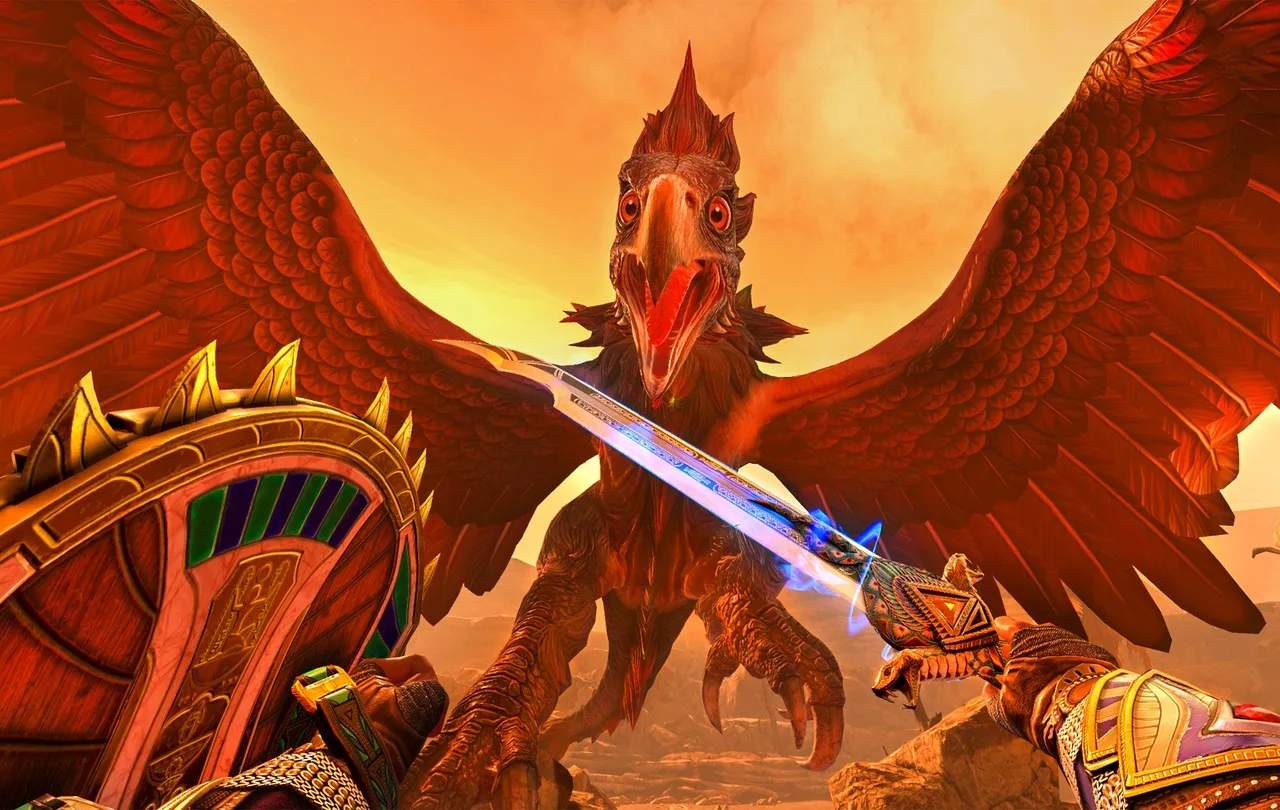
Weapon Types & Upgrades
In the sprawling realms of Asgard's Wrath 2, your chosen armaments are not merely tools for combat; they are extensions of your will, capable of evolving into instruments of divine power. Mastering the diverse array of weapon types and understanding the intricate upgrade system is paramount to overcoming the myriad challenges that await you.

Core Weapon Types
Asgard's Wrath 2 offers a robust selection of weapon categories, each catering to different playstyles and combat scenarios. Experiment with each to find what best suits your approach to battle.
- Swords: The quintessential balanced weapon. Swords offer a good mix of attack speed, damage, and reach. Ideal for players who prefer a versatile offense and quick parries. Look for swords with abilities that enhance critical hits or provide defensive boons.
- Axes: Delivering devastating, slower strikes, axes are perfect for breaking enemy guards and dealing high burst damage. They often come with abilities that inflict status effects like Bleed or Stun. While slower, their impact can be game-changing against heavily armored foes.
- Hammers/Maces: Similar to axes in their heavy-hitting nature, hammers excel at staggering enemies and dealing blunt force trauma. They are particularly effective against constructs and enemies with stone-like defenses. Many hammers boast abilities that create shockwaves or deal area-of-effect damage.
- Bows/Ranged Weapons: Essential for engaging enemies from a distance, bows allow for strategic targeting of weak points and maintaining safe positioning. They are invaluable for dealing with flying enemies, archers, or setting up environmental traps. Upgrade bows to increase projectile speed, damage, and unlock elemental arrow types.
- Daggers/Claws: Fast, agile, and often dual-wielded, daggers are for players who favor rapid attacks, quick dodges, and applying debuffs. While individual hits may be lower, their high attack speed can quickly stack status effects like Poison or Bleed.
- Unique/Legendary Weapons: Beyond the standard types, you'll encounter rare and legendary weapons with pre-set, powerful enchantments and often unique attack patterns or special abilities. These are typically acquired from boss drops, challenging side quests, or hidden caches.
The Upgrade Process: Forging Divine Power
Weapon upgrades are handled by the various Blacksmiths found throughout the realms, most notably Fjorn the Forgemaster in the Celestial Citadel. The upgrade process involves multiple tiers, each requiring specific materials and a monetary cost.
Upgrade Tiers & Materials
Each weapon can be upgraded through several tiers, typically ranging from +1 to +10, with some legendary weapons having even higher potential. Each tier increases the weapon's base damage, improves its scaling with your stats, and often unlocks additional enchantment slots.
- Tier 1-3 (Basic Reinforcement):
- Materials: Common Ores (e.g., Iron Ore, Copper Vein), Basic Leather, Minor Runes.
- Acquisition: Found in abundance from common enemy drops, small resource nodes, and basic chests in early game areas like the Sunken City or the Desert of Souls.
- Cost: Low Drachma.
- Tier 4-6 (Enhanced Tempering):
- Materials: Refined Ores (e.g., Steel Ingot, Silver Shard), Quality Leather, Greater Runes, specific monster parts (e.g., Scorpion Carapace, Ghoul Bone).
- Acquisition: Dropped by elite enemies, mini-bosses, and found in hidden caches or larger resource nodes in mid-game zones like the Great Sand Sea or the Underworld.
- Cost: Moderate Drachma.
- Tier 7-10 (Masterwork Forging):
- Materials: Rare Ores (e.g., Mythril Ore, Adamantite Shard), Pristine Hides, Ancient Runes, rare monster parts (e.g., Dragon Scale, Phoenix Feather), Divine Essences.
- Acquisition: Primarily from boss drops, legendary enemy encounters, challenging puzzles, and high-level resource nodes in late-game areas such as the Celestial Citadel's deeper levels or the fiery pits of Muspelheim. Divine Essences are often quest rewards or found in very rare chests.
- Cost: High Drachma.
Step-by-Step Upgrade Process:
- Locate a Blacksmith: The primary Blacksmith is Fjorn in the Celestial Citadel. Smaller forge stations might appear in safe zones within dungeons, but Fjorn offers the full range of services.
- Initiate Dialogue: Speak to the Blacksmith and select the "Upgrade Weapon" option.
- Select Weapon: Choose the weapon you wish to upgrade from your inventory.
- Review Requirements: The Blacksmith UI will display the required materials and Drachma for the next upgrade tier.
- Confirm Upgrade: If you have the necessary resources, confirm the upgrade. The weapon's base damage, and potentially other stats, will increase.
Enchantments: Infusing Weapons with Power
Beyond raw damage, enchantments are crucial for tailoring your weapons to specific combat encounters and playstyles. Each weapon has a limited number of enchantment slots, which often unlock as the weapon is upgraded.
Types of Enchantments:
- Elemental Enchantments:
- Fire: Adds burn damage over time, effective against organic enemies and those vulnerable to heat.
- Ice: Slows enemies, reduces their attack speed, and can freeze them solid, making them vulnerable to follow-up attacks.
- Lightning: Deals burst damage and can chain to nearby enemies, excellent for crowd control.
- Poison: Inflicts damage over time and can reduce enemy defenses.
- Holy/Divine: Deals extra damage to undead, demonic, or corrupted foes.
- Utility Enchantments:
- Life Steal: Heals you for a percentage of damage dealt.
- Stamina Regeneration: Increases your stamina recovery rate.
- Critical Chance/Damage: Boosts the likelihood or potency of critical hits.
- Guard Break: Increases your ability to shatter enemy guards.
- Resource Gain: Increases the amount of Drachma or materials dropped by defeated enemies.
- Defensive Enchantments (for shields/armor, but some weapons have them):
- Damage Reduction: Reduces incoming damage.
- Status Resistance: Increases resistance to specific status effects.
- Unique Enchantments: Found on legendary weapons or very rare runes, these offer powerful, often game-changing effects like summoning spectral allies, creating protective barriers on hit, or granting temporary invulnerability.
Enchanting Process:
- Acquire Runes: Enchantments are applied via Runes, which are found as loot, quest rewards, or purchased from specific merchants.
- Visit a Blacksmith: Select the "Enchant Weapon" option.
- Select Weapon & Slot: Choose the weapon and an available enchantment slot.
- Choose Rune: Select the Rune you wish to apply. Be mindful that some Runes are single-use, while others can be swapped out (though often for a cost).
- Confirm Enchantment: The Rune will be applied, granting its bonus to your weapon.
Weapon Rarity & Its Impact on Upgrades
Weapon rarity plays a significant role in its inherent power and upgrade potential:
- Common (White): Basic stats, few or no enchantment slots. Upgrades are cheap but yield minimal returns.
- Uncommon (Green): Slightly better stats, usually one enchantment slot. Good for early game.
- Rare (Blue): Solid base stats, 1-2 enchantment slots. A good foundation for mid-game.
- Epic (Purple): High base stats, 2-3 enchantment slots, often comes with a minor innate bonus. These are strong contenders for your primary weapon.
- Legendary (Orange): Exceptional base stats, 3+ enchantment slots, and always comes with a powerful, unique innate ability or pre-set enchantment. These are the pinnacle of weaponry and should be prioritized for upgrades.
- Mythic (Red - extremely rare): Reserved for truly unique artifacts, often tied to specific lore or deities. These weapons possess unparalleled power and often have unique visual effects and abilities that transcend normal enchantments. Their upgrade paths might be unique, requiring materials from specific, challenging encounters.
Higher rarity weapons generally have higher stat caps, more enchantment slots, and better scaling with your character's attributes, making them more worthwhile to invest precious upgrade materials into.
Strategy Tips & Common Pitfalls
- Prioritize Your Main: Focus upgrade materials on 1-2 primary weapons you use most frequently. Spreading resources too thin will leave you underpowered.
- Match Elements: Pay attention to enemy weaknesses. Equipping a fire-enchanted sword against ice elementals, for example, will significantly boost your damage.
- Don't Hoard Too Much: While saving rare materials for legendary weapons is wise, don't be afraid to upgrade your current best weapon. The power boost will help you acquire even better loot.
- Explore Thoroughly: Many rare upgrade materials are found in hidden corners, behind puzzles, or guarded by optional mini-bosses. Don't rush through areas.
- Check Blacksmith Stock: Fjorn and other merchants sometimes sell rare materials or even powerful runes. Check their inventory regularly.
- Legendary Weapon Quests: Some legendary weapons are tied to specific, multi-stage quests. Pay attention to lore and NPC dialogue for clues on how to begin these epic endeavors. For example, the Blade of the Serpent King requires you to defeat three specific Serpent Lords scattered across the Great Sand Sea and then combine their fangs at a forgotten altar near the Oasis of Kemet.
- Missable Materials: Be aware that some unique monster parts for high-tier upgrades might only drop from specific bosses or enemies that don't respawn. Ensure you collect them on your first pass!
By understanding these systems, you'll be well-equipped to forge weapons that can stand against the might of the gods and monsters of Asgard's Wrath 2.