Historical Context & Lore
Welcome, Misthios, to a deeper dive into the rich tapestry of history and lore woven into the very fabric of Assassin's Creed Odyssey. While the game offers a thrilling adventure through ancient Greece, understanding its historical underpinnings and the unique lore of the Assassin's Creed universe will significantly enhance your journey. This section will guide you through key historical figures, events, and the overarching narrative that connects your mercenary tale to the grander conflict between the Assassins and the Templars.
The Peloponnesian War: A Divided Greece
Your adventure unfolds during the tumultuous Peloponnesian War (431-404 BCE), a real historical conflict that pitted the powerful city-states of Athens and Sparta against each other. Understanding this war is crucial to navigating the political landscape of the game.
- Athenian Empire: Represented by the Delian League, Athens was a naval power, known for its democracy, philosophy, and arts. Their military strength lay in their fleet.
- Spartan Hegemony: Sparta, the leader of the Peloponnesian League, was a land-based military powerhouse, renowned for its disciplined warriors and oligarchic government.
- Impact on Gameplay: As a mercenary, you'll frequently be tasked with participating in Conquest Battles. These battles directly reflect the ongoing conflict, allowing you to choose a side and influence the power balance of a region. Look for the red (Spartan) and blue (Athenian) flags on the world map to identify territories ripe for conflict.
- Key Figures: You'll encounter historical figures like Perikles, the influential Athenian statesman, and Brasidas, a renowned Spartan general. Their actions and fates are often tied to main story quests. Pay attention to dialogue options when interacting with them, as your choices can subtly alter their historical trajectory within the game's narrative.
The Cult of Kosmos: The Proto-Templars
While the Assassin Brotherhood and the Templar Order wouldn't formally exist for centuries, Odyssey introduces the Cult of Kosmos, a shadowy organization that serves as the game's primary antagonist and the ideological precursor to the Templars.
Unmasking the Cult
The Cult operates in secrecy, manipulating events across Greece to achieve their vision of a controlled world order. Your primary objective is to dismantle this organization.
- Gathering Clues: To identify and eliminate Cult members, you must first gather clues. These clues are often found in specific locations or dropped by defeated enemies.
- Cultist Clue Locations: Refer to the dedicated Cultist Clue Locations/Missions section of this guide for a comprehensive list of where to find each clue. Many are tied to side quests, fort objectives, or specific mercenary bounties.
- Looting Strategically: Always loot defeated enemies, especially high-ranking soldiers or mercenaries, as they often carry valuable clues. Explore every corner of fortresses and camps.
- The Cultist Menu: Once a clue is acquired, navigate to the "Cultists" tab in your main menu. The identity of a Cultist will be revealed, along with their general location or the conditions to reveal them further.
- Elimination Strategy:
- Stealth is Key: Many Cultists are heavily guarded. Utilize your Assassin abilities like "Rush Assassination" and "Hero Strike" to take them down quietly.
- Exploiting Weaknesses: Some Cultists have specific weaknesses or are vulnerable in certain situations, often hinted at by their clue descriptions. For example, a Cultist might be found alone at night, or guarding a specific artifact.
- Legendary Gear: Each defeated Cultist drops a piece of legendary gear, often part of a powerful set. Prioritize eliminating them to complete these sets and gain significant combat advantages. For instance, defeating all members of the "Eyes of Kosmos" branch will grant you the powerful Snake Set, ideal for poison builds.
The Isu: First Civilization Lore
Beyond the historical conflict, Assassin's Creed Odyssey delves deep into the lore of the Isu, also known as the First Civilization. These ancient, highly advanced beings predate humanity and are responsible for creating powerful artifacts and influencing human evolution.
- The Staff of Hermes Trismegistus: This powerful Isu artifact is central to your character's unique abilities and lineage. Its origins and purpose are explored throughout the main story and the "Fate of Atlantis" DLC.
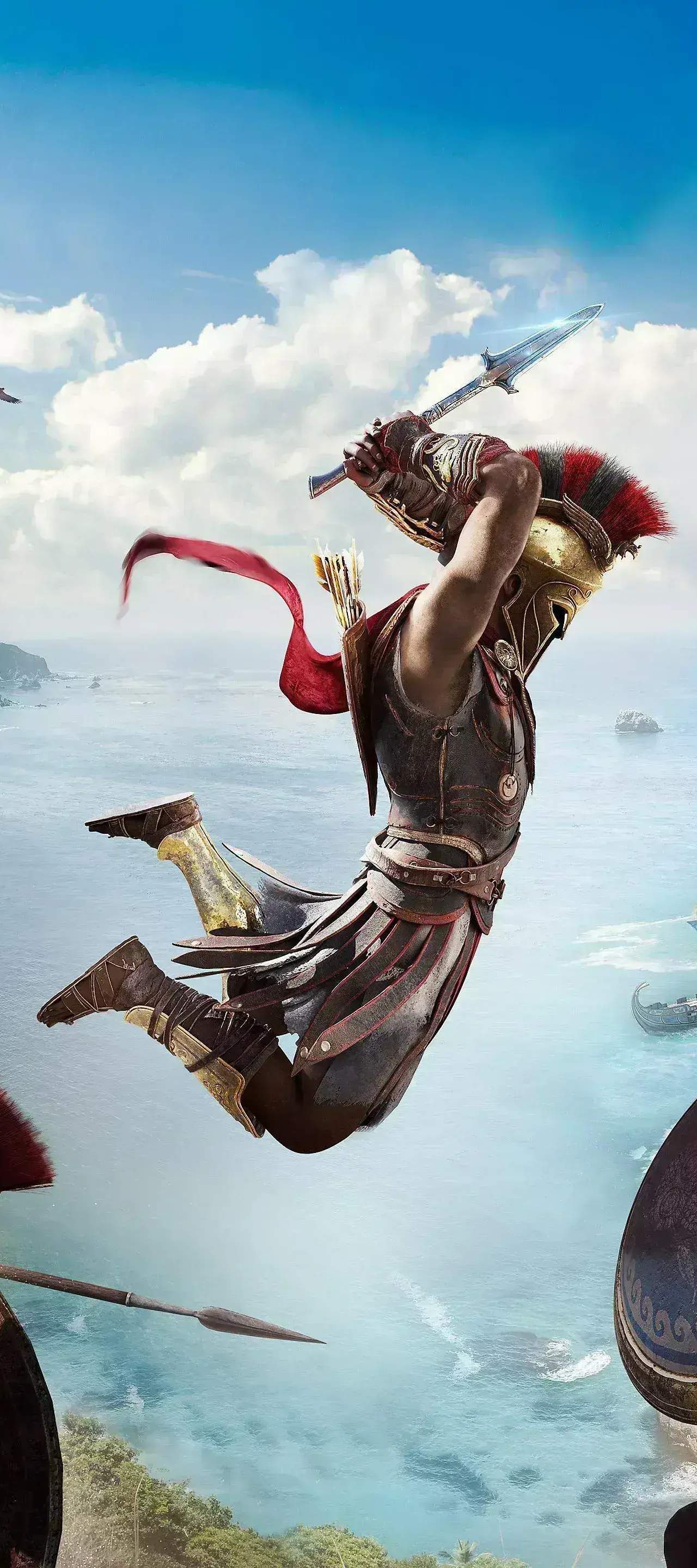
- Pieces of Eden: You will encounter various Pieces of Eden, such as the Spear of Leonidas, which is not just a weapon but an Isu artifact that grants you extraordinary powers. Understanding its true nature is key to understanding your character's role in the larger Assassin's Creed narrative.
- Ancient Mechanisms: Throughout Greece, you'll discover ancient Isu sites and mechanisms, often tied to specific quests or providing unique challenges. For example, the Ancient Mechanisms found in regions like Messara and Lakonia often lead to powerful engravings or insights into Isu technology.
- The Atlantis Arc: The "Fate of Atlantis" DLC expands significantly on Isu lore, taking you to the mythical city itself and revealing more about their history, technology, and their relationship with humanity. This DLC is highly recommended for players interested in the deeper lore of the series.
By keeping these historical and lore elements in mind, you'll not only enjoy the immediate gameplay but also appreciate the intricate world-building that makes Assassin's Creed Odyssey such a compelling experience.