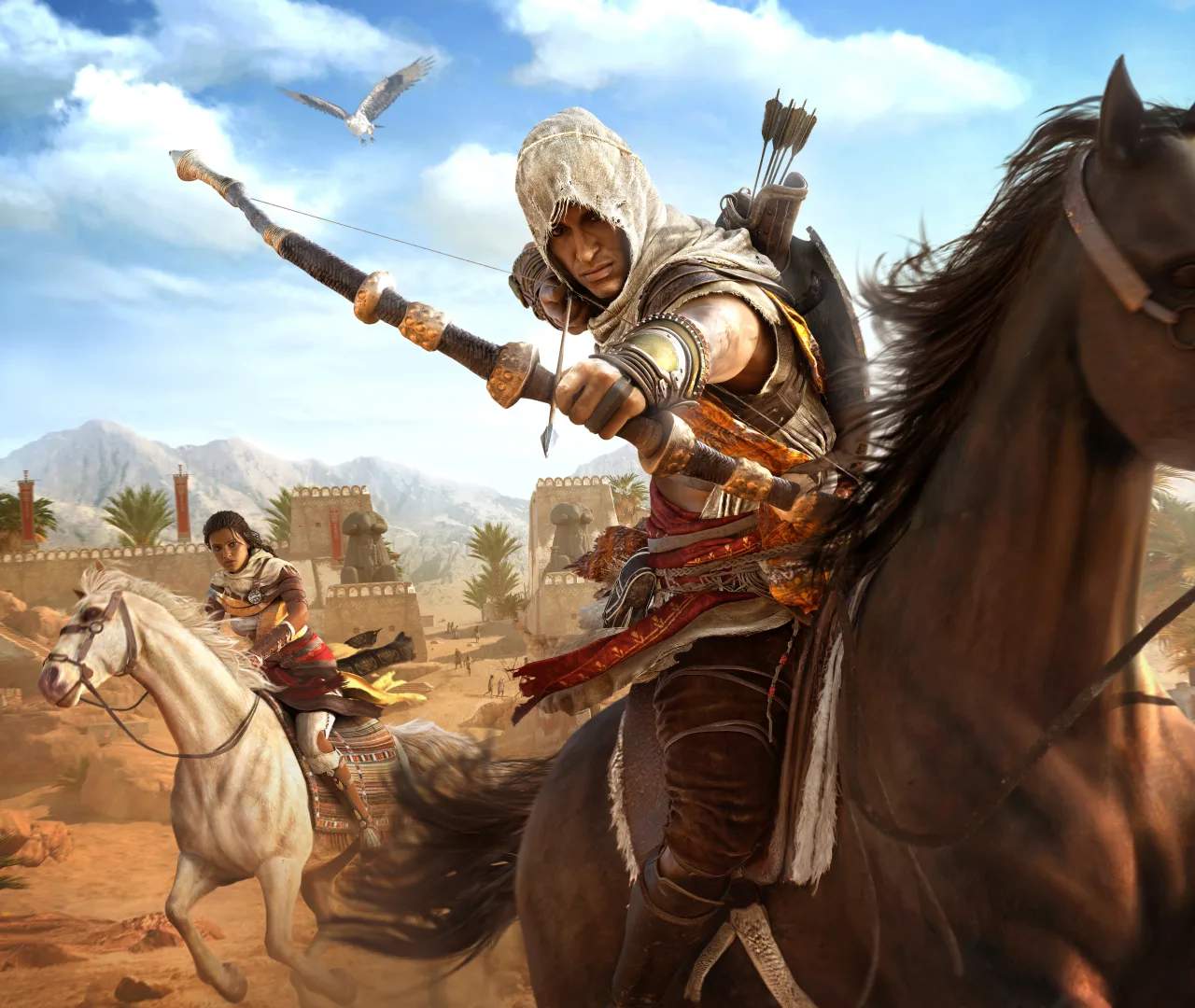
Historical Figures & Lore
Beyond the immediate threats of the Order of Ancients, Bayek's journey through Ptolemaic Egypt is deeply intertwined with the lives of real historical figures and the rich tapestry of Egyptian mythology. Understanding these characters and the lore surrounding them not only enriches your gameplay experience but can also provide context and even subtle clues for certain quests.
Cleopatra VII Philopator
The last active pharaoh of Ptolemaic Egypt, Cleopatra is a central figure in Bayek's quest for justice and the founding of the Hidden Ones. Her political machinations and alliances directly impact the narrative. You'll encounter her early in the main questline, particularly during missions in Alexandria.
- First Encounter: Bayek first meets Cleopatra during the main quest "Aya" in Alexandria. She is found within her palace, often guarded by numerous soldiers.
- Key Interactions:
- "The Scarab's Lies": Cleopatra will task Bayek with investigating the Scarab, leading you to Lake Mareotis and the city of Sais.
- "The Hyena": She directs Bayek towards the Hyena in the Desheret Desert and the Black Desert.
- "The Crocodile's Scales": You'll receive orders from her to pursue the Crocodile in the Faiyum Oasis region.
- Lore Significance: Cleopatra represents the struggle for power and the decline of an ancient empire. Her alliance with Julius Caesar is a pivotal moment that reshapes the political landscape of Egypt, directly influencing the rise of the Hidden Ones. Pay attention to her dialogue for insights into the political climate and the Order's influence.
Julius Caesar
The formidable Roman general and statesman, Caesar's arrival in Egypt marks a significant turning point in the game's story. His involvement with Cleopatra and his own imperial ambitions bring Roman influence directly into the heart of Egypt, creating new challenges and opportunities for Bayek.
- Arrival in Egypt: Caesar's forces land in Alexandria during the main quest "Gennadios the Phylakitai", though you won't directly interact with him until later.
- Key Quests:
- "The Battle of the Nile": While not a direct interaction, Caesar's military campaign against Ptolemy XIII is a major event that Bayek and Aya are caught within.
- "The Final Weighing": You will have direct confrontations and discussions with Caesar as the story progresses, particularly concerning the fate of the Order of Ancients and the future of Egypt.
- Lore Significance: Caesar embodies the expansion of the Roman Republic and its eventual transformation into an empire. His relationship with Cleopatra and his military prowess are crucial to the historical context of the game. Observing his strategies and political maneuvers provides a deeper understanding of the forces Bayek is up against.
Ptolemy XIII Theos Philopator
Cleopatra's younger brother and co-ruler, Ptolemy XIII is a puppet king manipulated by the Order of Ancients. He represents the corrupt and decadent aspects of the Ptolemaic dynasty, making him a primary target for Bayek's vengeance.
- Early Mentions: Ptolemy is referenced frequently from the beginning of the game as the nominal ruler, but his true power is overshadowed by the Order.
- Direct Conflict: Your most direct involvement against Ptolemy comes during the climax of the Egyptian civil war, particularly during the main quest "The Battle of the Nile".
- Strategy for Confrontation: During "The Battle of the Nile," focus on disrupting Ptolemy's forces by eliminating his elite guards and destroying siege weapons. Utilize stealth to thin out enemy ranks before engaging in open combat. A powerful bow, like the Composite Bow (often found in military camps in Memphis or Faiyum), can be invaluable for taking down distant targets or weakening armored foes.
- Lore Significance: Ptolemy XIII serves as a tragic figure, a child king used by powerful forces. His fate highlights the ruthlessness of the Order and the political instability of the era.
The Order of Ancients (Proto-Templars)
While not a single historical figure, the Order of Ancients is the primary antagonist group, a secret society manipulating events from the shadows. They are the precursors to the Templar Order.
- Identifying Members: Each member of the Order is given an animal epithet (e.g., The Snake, The Scarab, The Hyena, The Crocodile). Their identities are revealed through investigations and main quests.
- Tracking and Eliminating:
- Gather Intel: Always speak to NPCs with a "!" above their heads, complete side quests, and investigate marked locations (e.g., temples, military camps) to uncover clues about Order members.
- Scout with Senu: Use Senu extensively to mark targets, identify patrol routes, and locate hidden entrances to their strongholds.
- Utilize Stealth: Many Order members are heavily guarded. Prioritize stealth assassinations using your Hidden Blade. Upgrade your Hidden Blade at a Blacksmith (e.g., in Siwa, Alexandria, Memphis) to ensure one-hit kills on higher-level targets.
- Combat Preparedness: For direct confrontations, ensure your gear is upgraded. A good balance of a strong warrior bow (like the Hunter Bow) and a fast-attacking melee weapon (such as a Sickle Sword) is recommended. stock up on arrows and crafting materials for health potions.
- Lore Significance: The Order represents the philosophical opposition to the Hidden Ones – control through order versus freedom through chaos. Their pursuit of ancient artifacts and control over society lays the groundwork for the centuries-long conflict between Assassins and Templars.