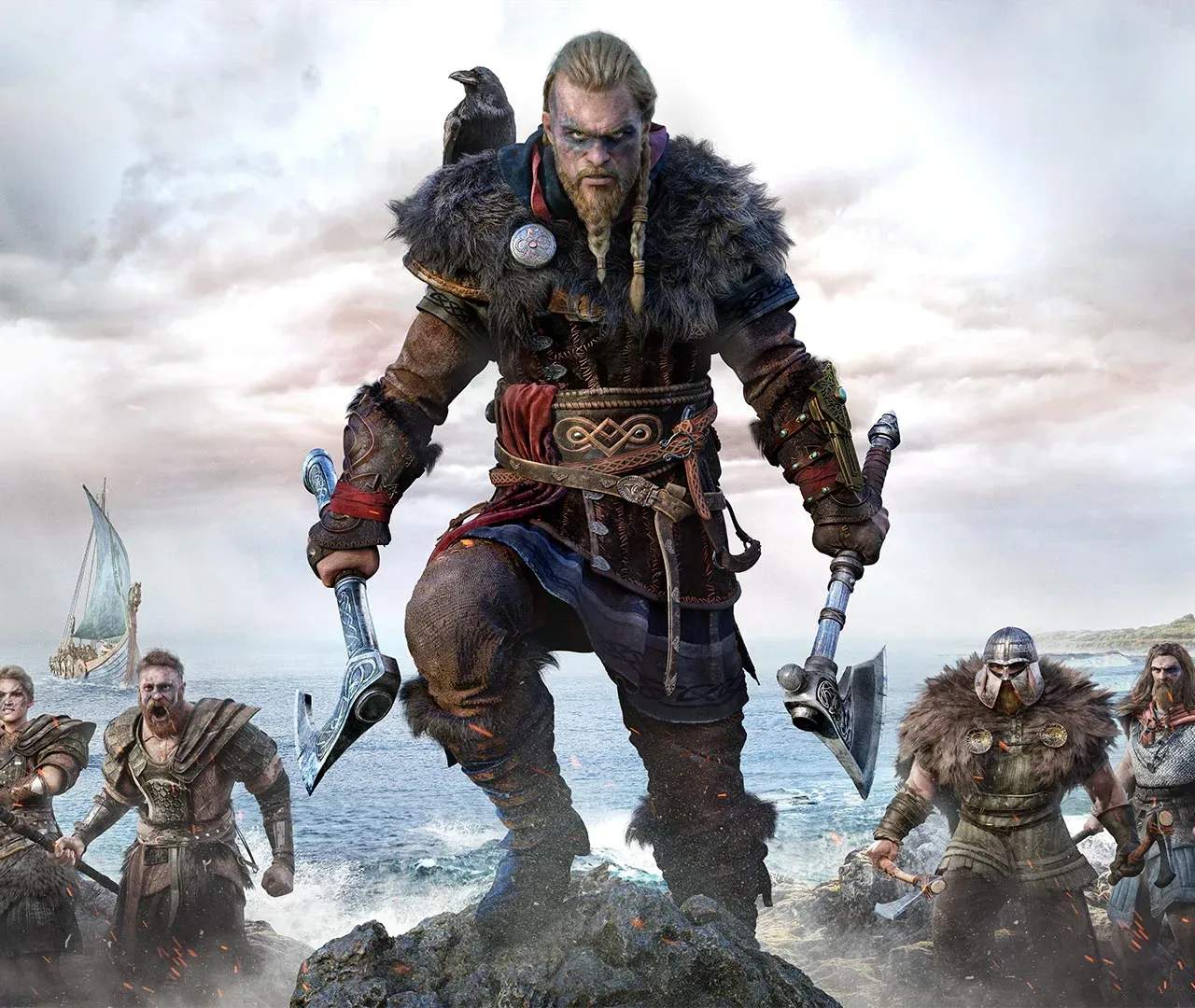
Reputation & Allegiance System
While Eivor's journey through England is primarily focused on establishing the Raven Clan's dominance, a subtle yet impactful "Reputation & Allegiance System" operates beneath the surface. This system, though not explicitly detailed in-game with a dedicated UI, influences how various factions and individuals perceive Eivor, affecting quest outcomes, available dialogue options, and even vendor prices. Understanding and manipulating this system is crucial for a truly comprehensive playthrough.
Understanding Allegiance
Allegiance in Valhalla is primarily tied to the alliances you forge during the main storyline. Each region you pledge to, from Ledecestrescire to Suthsexe, contributes to your overall standing with the Anglo-Saxon kingdoms. However, individual actions within these regions can also sway local sentiment.
- Pledging Regions: Successfully completing an arc, such as the "Kingmaker" arc in Ledecestrescire or "The Swan-Road Home" in East Anglia, significantly boosts your allegiance with the ruling jarl or ealdorman of that territory. This often unlocks new trade routes for your settlement and can lead to unique side quests.
- Honoring Agreements: During alliance quests, always strive to uphold your word. Betraying allies, even for seemingly advantageous short-term gains, can lead to lasting negative repercussions, including hostile encounters and locked questlines. For example, during the "Walls and Shadows" quest in Lunden, choosing to betray Stowe and Erke will severely damage your standing with the city's leadership.
- Resolving Disputes Peacefully: Whenever possible, opt for diplomatic solutions in world events and side quests. For instance, in the "The Stolen Skald" world event in Grantebridgescire, convincing the brothers to reconcile rather than fighting them will improve your general reputation with common folk.
Building Reputation
Reputation is a more granular aspect, reflecting Eivor's standing with specific groups and individuals. It's influenced by your choices in world events, interactions with NPCs, and even your approach to combat.
Positive Reputation Boosts:
- Completing World Events: Many world events, especially those involving helping distressed civilians or resolving local conflicts, contribute positively. Examples include "The Last Leaf" in Hamtunscire, where helping the grieving man will earn you goodwill.
- Returning Lost Items: Keep an eye out for NPCs requesting the return of lost heirlooms or items. Successfully retrieving these, such as the "Lost Drengr's Helm" for the Drengr in Rygjafylke, provides a reputation boost with that individual and potentially their faction.
- Honoring the Dead: Participating in burial rites or avenging fallen warriors, like the "Viking for Hire" contracts from Reda, can subtly enhance your reputation as a honorable warrior.
- Generosity: Offering silver or resources to beggars or those in need, though not always explicitly tracked, can lead to unique dialogue or minor favors later on.
Negative Reputation Impacts:
- Unprovoked Attacks: Attacking innocent civilians or non-hostile NPCs will severely damage your reputation, potentially leading to bounty hunters pursuing you and increased hostility from guards in that region.
- Theft: While raiding is part of Viking life, stealing from commoners or non-military locations can have negative consequences. Repeated theft might lead to reduced prices from certain merchants or even refusal to trade.
- Failing Quests: Abandoning or failing specific side quests, particularly those with moral implications, can negatively impact your standing with the quest giver and their associated group.
- Breaking Oaths: As mentioned under Allegiance, breaking promises or oaths made to NPCs will have a significant negative impact on your reputation.
Consequences of Reputation & Allegiance
The effects of your reputation and allegiance are often subtle but can significantly alter your gameplay experience:
- Dialogue Options: High reputation can unlock unique, more favorable dialogue choices in conversations, potentially leading to peaceful resolutions where combat might otherwise be inevitable. Conversely, low reputation can lead to aggressive responses from NPCs.
- Vendor Prices: A strong reputation with a particular region or faction can lead to discounts from local merchants. Conversely, a poor reputation might result in inflated prices or even refusal of service.
- Quest Availability: Certain side quests or world events may only become available if Eivor has achieved a certain level of reputation or allegiance with a specific group. For example, some "Mysteries" might only trigger after you've proven yourself trustworthy.
- NPC Reactions: NPCs will react differently to Eivor. High reputation might see villagers greeting you warmly, while low reputation could cause them to flee or cower in fear.
- Bounty Hunters: Consistently engaging in negative actions (theft, unprovoked attacks) will increase your "Notoriety" and attract bounty hunters, making travel and exploration more challenging. These are often elite enemies that require strategic combat to defeat.
Strategic Management
To effectively manage your reputation and allegiance:
- Prioritize Alliance Arcs: Focus on completing the main alliance arcs to secure regional allegiances, as these form the backbone of your political standing.
- Read Dialogue Carefully: Pay close attention to dialogue choices, as they often hint at the moral implications of your decisions.
- Engage in World Events: Actively participate in world events, especially those that involve helping others, to consistently build positive reputation.
- Avoid Unnecessary Conflict: Unless a situation explicitly calls for it, try to avoid attacking non-hostile NPCs or stealing from commoners.
- Check the World Map: While there's no dedicated reputation meter, observing how NPCs react to Eivor in different regions can give you a general idea of your standing.
By consciously navigating the social landscape of England, Eivor can become not just a fearsome warrior, but a respected leader, opening up new opportunities and enriching the overall Valhalla experience.