Historical Figures & Their Roles
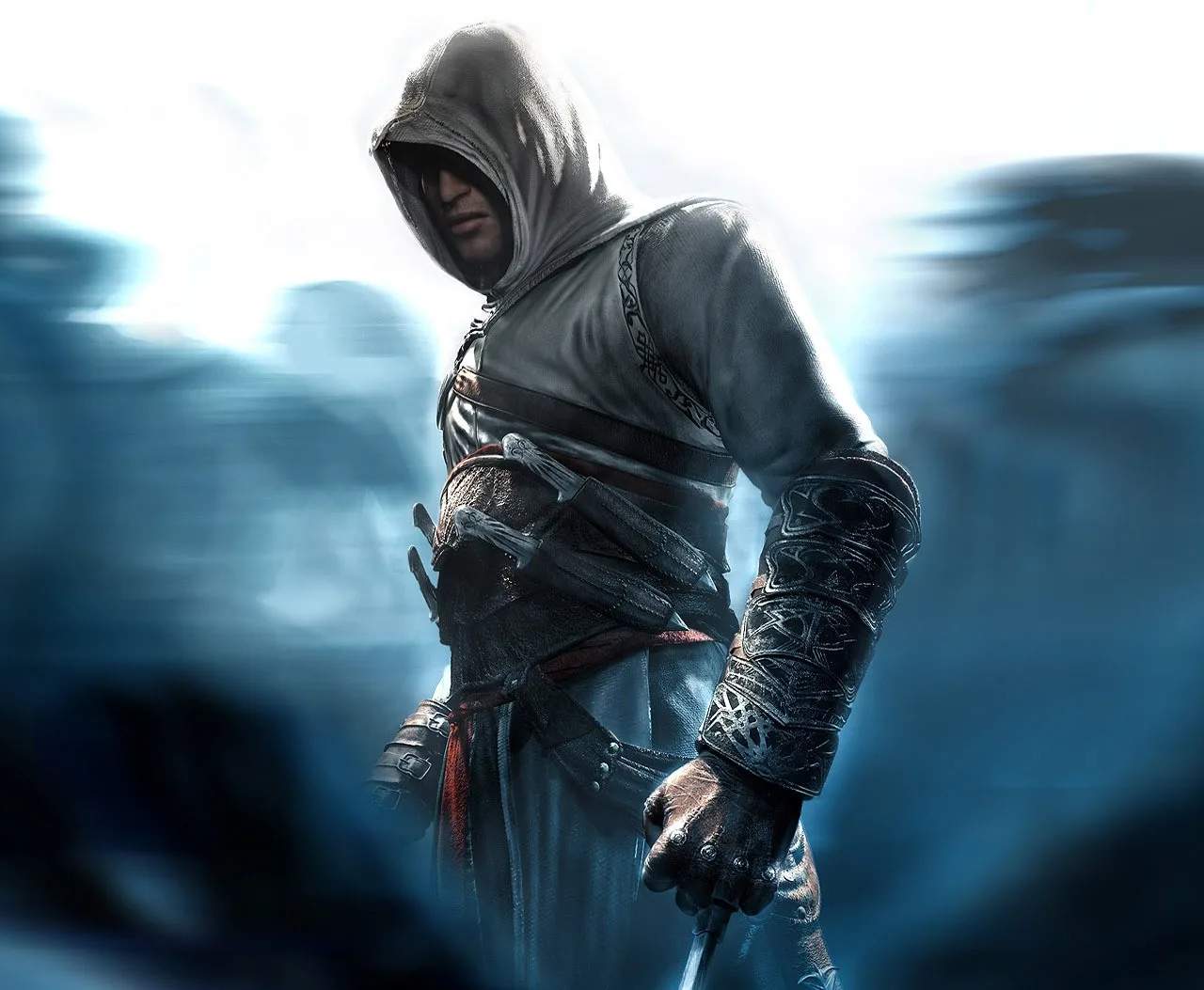
The Assassin's Creed series masterfully weaves historical figures into its narrative, often portraying them in ways that serve the overarching conflict between the Assassins and the Templars. These individuals, drawn from real-world history, are given new dimensions and motivations within the game's universe, becoming key players in the eternal struggle for control and freedom. For example, figures like Leonardo da Vinci are depicted not just as artists and inventors but as allies or unwitting pawns in the Assassin's schemes. His inventions might be adapted by the Assassins, or he himself might be drawn into their world, providing crucial technological or strategic support. Similarly, political leaders such as Richard the Lionheart or Saladin, central to the Third Crusade, are presented with complex allegiances and personal agendas that the Assassins and Templars seek to exploit. Their decisions and actions have tangible impacts on the game world, influencing the flow of missions and the availability of opportunities.
The roles assed to these historical figures are rarely straightforward. A benevolent ruler in history might be shown to have a dark secret or be manipulated by Templar influence. Conversely, a figure known for conquest might be depicted with a hidden sense of justice or a desire for true peace. This complexity allows for engaging storylines and moral quandaries. For instance, a mission might require You to protect a historical figure from assassination by Templars, or conversely, to eliminate them if they have fallen under Templar control. The game mechanics often reflect these interactions. A player might need to use stealth to eavesdrop on conversations between historical figures to uncover Templar plots, or engage in combat to defend them during a critical moment. The presence of figures like Robert de Sablé, Grand Master of the Knights Templar during the Third Crusade, provides a direct antagonist whose historical sificance is amplified by his role as a high-ranking Templar.
Beyond the major political and military leaders, the games also incorporate scientists, philosophers, and artists, each contributing to the rich tapestry of the Assassin's Creed lore. Their contributions can range from providing crucial intelligence to developing advanced weaponry or even influencing public opinion. The game's approach to these figures is to explore how their real-world impact might have been subtly guided or manipulated by the hidden war. For example, the advancements in art and science during the Renaissance might be attributed, in part, to the Assassins' efforts to foster free thought and innovation, counteracting the Templars' desire for stagnation and control. Understanding the historical context of these figures and their known achievements is essential for appreciating the game's creative reinterpretations and the intricate ways they are integrated into the ongoing conflict. The game often presents these historical figures as having a direct impact on the player's objectives, making their presence more than just window dressing.