The Third Crusade Explained
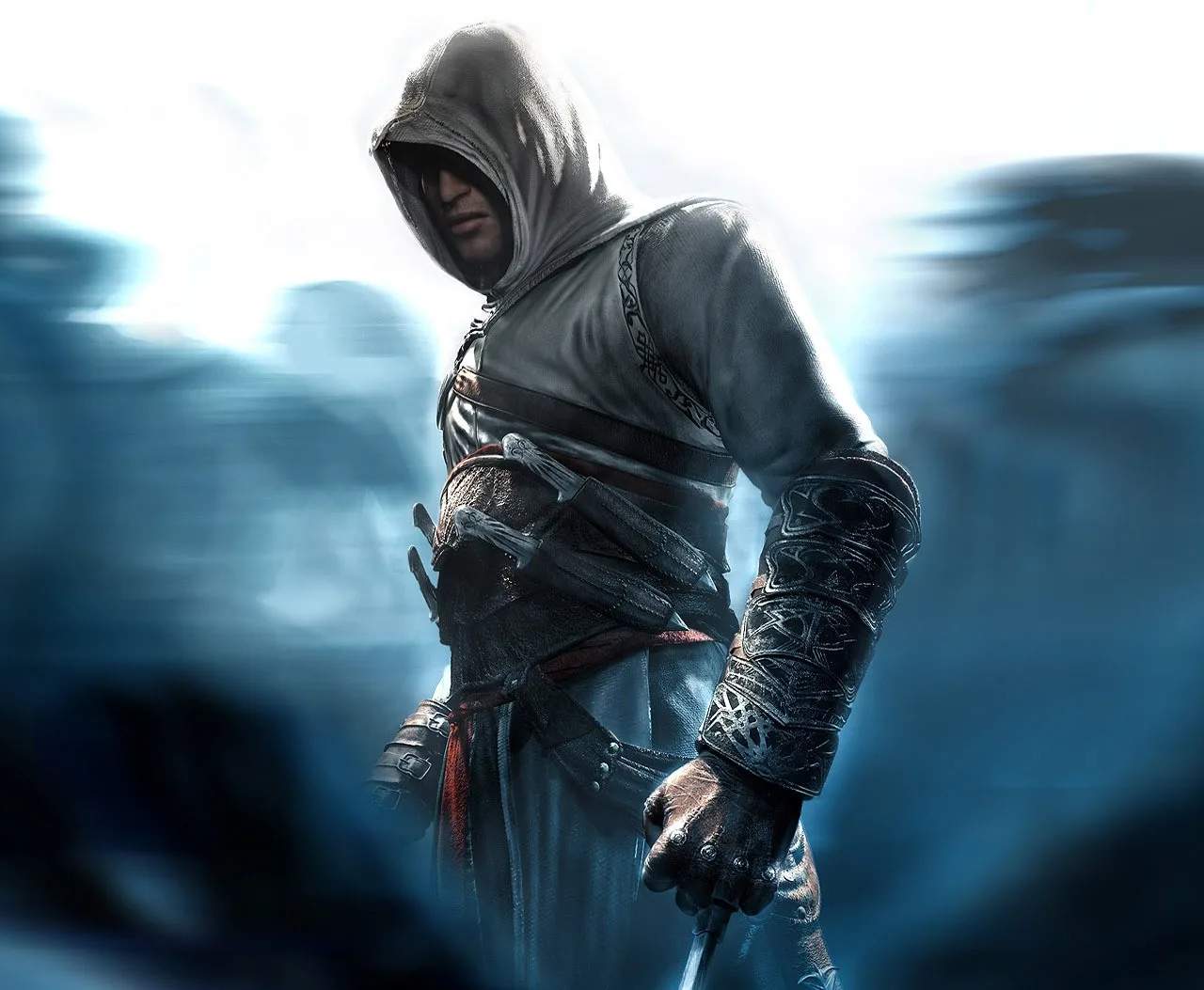
The Third Crusade, a pivotal historical event, serves as the backdrop for many early Assassin's Creed narratives, particularly those focusing on the origins of the Brotherhood. This conflict, spanning from 1189 to 1192, saw European powers, led by figures like Richard the Lionheart, Philip II of France, and Holy Roman Emperor Frederick I, attempting to reclaim the Holy Land from the Ayyubid sultan Saladin. Within the game's lore, this era is a hotbed of Templar activity, as the Order seeks to manipulate the war for their own ends, aiming to establish control and sow discord. The clash of ideologies and the immense political machinations provide fertile ground for the Assassins to operate, often working from the shadows to thwart the Templars' grand dess. Players might find themselves navigating the treacherous political landscape of Acre or engaging in clandestine operations amidst the chaos of sieges and battles. Understanding the historical context of the Third Crusade is crucial for appreciating the motivations of characters like Altaïr Ibn-La'Ahad and the overarching struggle between Assassins and Templars.
The historical figures involved in the Third Crusade are often depicted with nuanced roles within the Assassin's Creed universe. Richard the Lionheart, for instance, might be portrayed as a powerful but potentially misguided leader, whose actions are exploited by the Templars. Similarly, Saladin, while a formidable adversary, may also be shown to have his own code of honor, creating complex moral dilemmas for the player. The game mechanics often reflect the realities of this period, with large-scale battles and intricate city environments. For example, players might need to utilize parkour to scale the walls of Acre during a siege or employ stealth tactics to assassinate key Templar figures operating within the crusader camps. The presence of historical inaccuracies is often intentional, serving the narrative and gameplay. The core conflict revolves around the Templars' desire for order through control, clashing with the Assassins' pursuit of freedom through free will. This ideological battle is amplified by the real-world stakes of the Third Crusade, making every assassination and every mission feel sificant.
The game's depiction of the Third Crusade emphasizes the moral ambiguity of war and the struggle for power. Players often witness the devastating consequences of the conflict firsthand, from the destruction of cities to the suffering of civilians. This provides a stark contrast to the often-precise and calculated actions of the Assassins. The intricate web of alliances and betrayals during this period is a key element of the narrative, allowing for numerous plot twists and character developments. The presence of specific historical locations, such as the city of Jerusalem or the fortress of Masyaf, further grounds You in the era. The game mechanics, such as the Eagle Vision, are often framed as tools that allow the Assassins to perceive the hidden truths and manipulations occurring beneath the surface of the historical events. The Third Crusade, therefore, is not just a setting but an active participant in the unfolding drama, shaping the destinies of both the historical figures and the fictional characters.