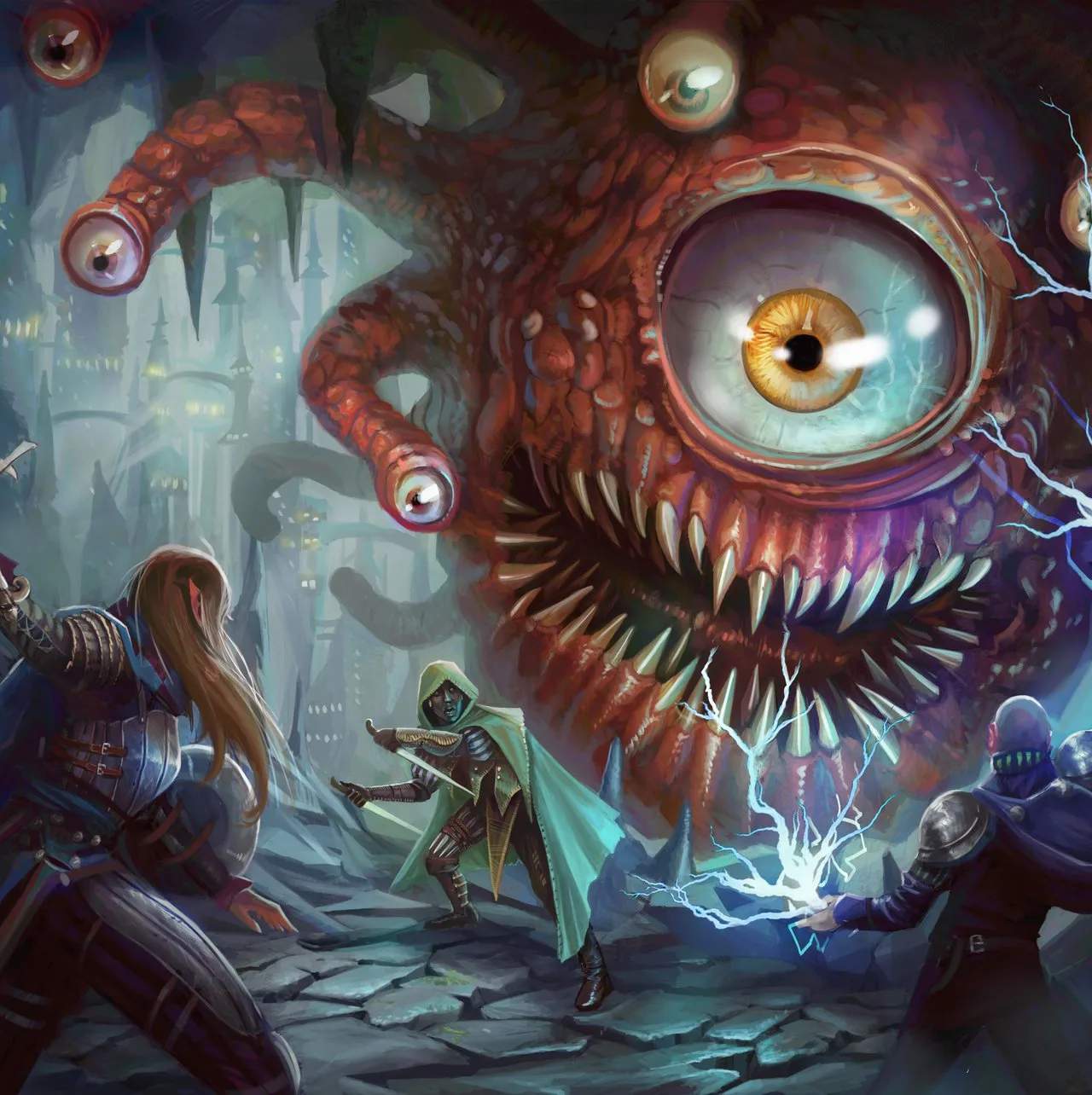
Multiplayer Guide
Baldur's Gate II: Shadows of Amn offers a robust multiplayer experience, allowing you and up to five friends to delve into the rich world of Amn together. While the core gameplay remains the same, coordinating with other players adds new layers of strategy and fun. This guide will walk you through setting up a game, optimizing your party, and tackling common challenges in a multiplayer setting.
Setting Up Your Multiplayer Session
Before embarking on your grand adventure, proper setup is crucial for a smooth experience.
Host Setup
- Launch Baldur's Gate II: Shadows of Amn: Start the game as usual.
- Select "Multiplayer": From the main menu, choose the multiplayer option.
- Create New Game: Select "Create" to host a new session.
- Configure Game Settings:
- Game Name: Choose a memorable name for your session.
- Password (Optional but Recommended): Set a password to prevent unwanted players from joining.
- Max Players: Adjust this based on how many friends will be joining (up to 6 total, including the host).
- Difficulty: Agree on a difficulty setting with your party beforehand.
- Character Creation/Import: The host will create their character or import an existing one. Once done, the game will wait for other players to connect.
Client Setup (Joining Players)
- Launch Baldur's Gate II: Shadows of Amn: Start the game.
- Select "Multiplayer": From the main menu, choose the multiplayer option.
- Join Game: Select "Join" to connect to an existing session.
- Find Host's Game:
- Local Network (LAN): If playing on the same local network, the host's game should appear in the list.
- Direct IP: If playing over the internet, the host must provide their public IP address. Enter this into the "Direct Connect" field.
- Enter Password: If the host set a password, you will need to enter it to join.
- Character Creation/Import: Once connected, you will be prompted to create a new character or import one from your saved games. Coordinate with your party to ensure a balanced group composition.
Party Composition and Strategy
A well-balanced party is even more critical in multiplayer. Communication is key to success.
Recommended Roles
- Tank (Fighter, Paladin, Barbarian): At least one character with high AC and HP to draw enemy aggro. Equip them with the best heavy armor (e.g., Full Plate Mail, Plate Mail) and a shield (e.g., Large Shield +1, Shield of the Falling Stars).
- Damage Dealer (Fighter, Ranger, Thief, Mage with offensive spells): Characters focused on dealing high damage to enemies. Consider specialized weapon proficiencies like Two-Handed Weapon Style for greatswords (e.g., Soul Reaver) or Dual Wielding for scimitars (e.g., Belm +2, Kundane +2).
- Arcane Caster (Mage, Sorcerer, Bard): Essential for crowd control (e.g., Web, Confusion, Hold Person), offensive spells (e.g., Fireball, Lightning Bolt), and utility (e.g., Identify, Haste). Ensure one player focuses on learning crucial defensive spells like Stoneskin and Protection from Magical Weapons.
- Divine Caster (Cleric, Druid, Paladin): Crucial for healing (e.g., Cure Serious Wounds, Heal), buffs (e.g., Bless, Aid, Holy Power), and dispelling harmful effects (e.g., Dispel Magic, Remove Paralysis).
- Thief (Thief, Bard/Thief multiclass): Indispensable for disarming traps (e.g., in the Shadow Thief Guildhall, Bodhi's Lair), picking locks (e.g., locked chests in the Copper Coronet), and scouting ahead with stealth. A high Open Locks and Find Traps skill is paramount.
Multiplayer Specific Strategies
- Designated Leader: Elect one player to make final decisions on quest progression and dialogue choices to avoid confusion.
- Loot Distribution: Establish a clear system for dividing loot. Common methods include "need before greed" or rolling dice for contested items. Ensure magical items like the Ring of Gaxx or Cloak of Mirroring go to the most appropriate character.
- Spell Coordination: Avoid redundant spellcasting. For instance, only one caster needs to cast Haste or Protection from Evil 10' Radius. Coordinate spell memorization to cover a wider range of needs.
- Tactical Pausing: The host can pause the game at any time. Use this frequently for tactical discussions, targeting enemies, and coordinating spell usage, especially during challenging encounters like the battle against Firkraag in the Windspear Hills or Kangaxx the Lich.
- Scouting Ahead: A stealthy Thief or Ranger can scout dangerous areas like the Underdark or the Watcher's Keep, identifying threats and traps before the main party engages.
- Focus Fire: In combat, everyone should focus attacks on a single, high-priority target (e.g., enemy mages, powerful melee combatants) to eliminate threats quickly.
Common Challenges and Solutions
- Lag and Desynchronization:
- Solution: Ensure the host has a stable internet connection. If playing over the internet, a lower ping is always better. Reducing graphical settings can sometimes help.
- Solution: If desync occurs, the host can try saving and reloading the game.
- Player Disconnects:
- Solution: The host can save the game frequently. If a player disconnects, they can rejoin the session and reload the latest save.
- Disagreements on Quests/Choices:
- Solution: Open communication is vital. Discuss options and vote on major decisions. Remember, the host ultimately controls the game progression, but a good multiplayer experience relies on cooperation.
- Inventory Management:
- Solution: Designate one or two characters as primary item holders for scrolls, potions, and quest items to keep inventories organized. use the shared stash in your stronghold (e.g., the Planar Sphere for Mages, the De'Arnise Keep for Fighters) for communal storage.
By following these guidelines and maintaining open communication, your multiplayer journey through Baldur's Gate II: Shadows of Amn will be a memorable and rewarding experience for all adventurers involved.