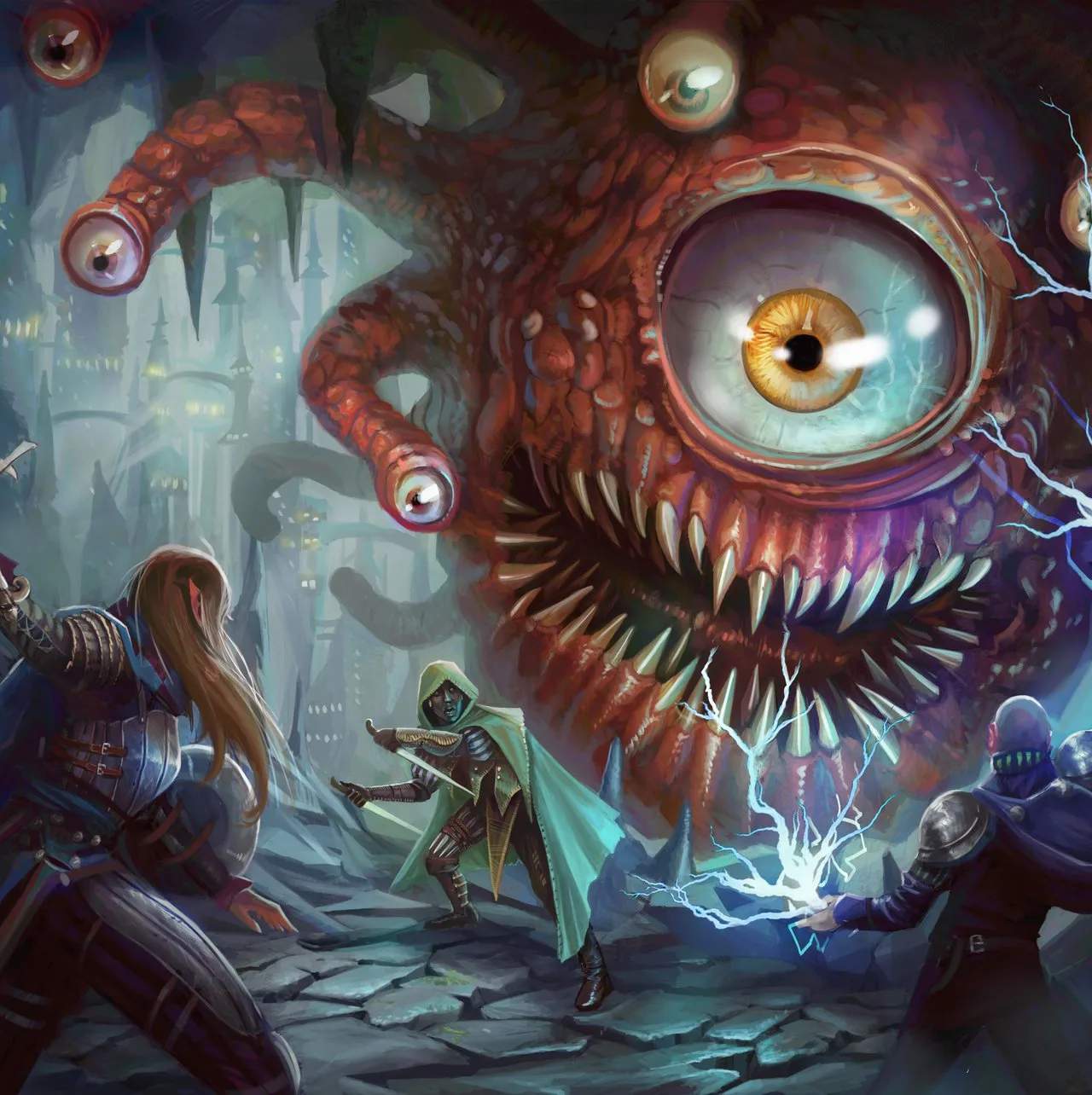
Summoning & Familiars
Summoning creatures and acquiring a familiar are powerful tools in any adventurer's arsenal in Baldur's Gate II. They can provide much-needed meat shields, extra damage, or even unique utility. Understanding how to best use these abilities can turn the tide of many challenging encounters.
The Arcane Familiar
For arcane spellcasters (Mages, Sorcerers, and Bards), the ability to summon a familiar is a significant boon. A familiar is more than just a pet; it's a magical companion that shares a bond with its master, offering both practical and mystical benefits.
Acquiring Your Familiar
- The Familiar Spell: To acquire a familiar, your arcane caster must learn and cast the 1st-level spell, Find Familiar. This spell can typically be found on scrolls early in the game.
- Scroll Locations:
- One of the most reliable places to find a Find Familiar scroll is in the Circus Tent in Waukeen's Promenade. After dealing with the initial illusions, search the various containers.
- Another can often be purchased from Bernard in the Copper Coronet, though his inventory can be somewhat random.
- Keep an eye out in general stores and wizard towers (like the one in the Slums, once accessible) as you progress; they sometimes stock it.
- Casting the Spell: Once you have the scroll, scribe it into your spellbook. Then, cast Find Familiar. The familiar will appear instantly.
Familiar Benefits & Risks
- HP Boost: Your familiar grants a significant boost to your arcane caster's hit points. This is a permanent bonus as long as the familiar is alive.
- Special Abilities: Each familiar type (e.g., Fairy Dragon, Imp, Quasit, Rabbit, Cat) has unique abilities, such as spell resistance, stealth, or minor offensive capabilities.
- Scouting: Familiars are excellent scouts due to their small size and often high stealth. They can trigger traps or reveal enemy positions without putting your main party at risk.
- Item Retrieval: Some familiars can pick up items, which can be useful in certain situations.
- The Death Penalty: Be warned: if your familiar dies, your arcane caster suffers a permanent -2 Constitution drain, which is a severe penalty. This makes protecting your familiar paramount.
Familiar Management Strategy
Due to the severe penalty for their death, it's often best to keep your familiar safely tucked away in your inventory or a secure area during combat. Only bring them out for specific tasks like scouting or when their unique abilities are absolutely necessary and the risk is minimal. Consider using the "Stay" command to keep them out of harm's way.
Summoning Creatures
Summoning spells are invaluable for creating distractions, adding damage, and controlling the battlefield. Both arcane and divine casters have access to several summoning options.
Arcane Summoning Spells
- Monster Summoning (Levels I-VII): These spells summon a varying number of generic monsters (e.g., Dire Wolves, Ogres, Trolls, Minotaurs, Fire Elementals) to fight for you. Higher-level versions summon more powerful creatures.
- Strategy: Use these as frontline fodder to absorb enemy attacks, allowing your squishier party members to cast spells or attack from range. They are excellent for overwhelming groups of weaker enemies or distracting powerful single targets.
- Animate Dead (Level 3): Summons a Skeleton Warrior. These are surprisingly resilient and immune to many mind-affecting spells and poisons.
- Strategy: Skeletons are fantastic early-to-mid game tanks. Their immunities make them particularly effective against certain undead or spellcasting enemies.
- Summon Shadow (Level 5): Summons a Shadow. Shadows can drain strength, making them useful against high-strength melee opponents.
- Mordenkainen's Sword (Level 7): Summons a magical, flying sword that deals significant damage and is immune to many effects.
- Strategy: A powerful single-target damage dealer. Cast it on a durable caster to add a strong melee presence.
- Summon Nishruu/Hakeashar (Level 7): Summons an energy-draining creature. Nishruu drain spells, Hakeashar drain physical stats.
- Strategy: Nishruu are excellent against enemy spellcasters, while Hakeashar can weaken powerful melee foes.
- Gate (Level 9): Summons a powerful Balor demon. This is a double-edged sword, as the Balor is not under your control and may attack your party if not handled carefully.
- Strategy: Extremely risky. Best used as a last resort or in situations where you can immediately teleport away or have powerful protections up. Consider using it to clear a path and then retreat.
Divine Summoning Spells
- Animate Dead (Level 3): Clerics also get this excellent spell, summoning Skeleton Warriors.
- Summon Aerial Servant (Level 6): Summons an invisible, powerful aerial servant that can deal good damage and is immune to many attacks.
- Strategy: Great for flanking or targeting specific enemies without drawing immediate aggro.
- Elemental Summoning (Levels 4-6): Summons various elemental types (Fire, Earth, Water). Earth Elementals are typically the most robust.
- Strategy: Elementals are durable tanks and deal respectable damage. Choose the elemental type based on enemy resistances or vulnerabilities.
- Conjure Animals (Level 4): Summons a group of animals (e.g., bears, wolves).
- Strategy: Similar to lower-level Monster Summoning, good for overwhelming numbers.
- Planar Ally (Level 6): Summons a powerful Outsider (e.g., Djinni, Efreeti, Planetar, Fallen Deva) to fight for you, but requires a gold payment.
- Strategy: These are incredibly powerful, often capable of casting spells themselves. Save them for boss fights or extremely tough encounters where their superior stats and abilities will shine.
General Summoning Strategies
- Pre-Buffing: Cast protective spells on your summons if possible (e.g., Protection from Evil 10' Radius, Stoneskin via a Bard's special ability).
- Chokepoints: Use summons to block doorways and narrow passages, creating a defensive line that funnels enemies.
- Flanking: Send summons around to attack enemies from behind, drawing aggro and potentially disrupting enemy formations.
- Spell Interruption: Low-level summons can be used to repeatedly attack enemy spellcasters, interrupting their spellcasting.
- Trap Disarming (Risky): While not their primary role, a cheap summon can be sent to trigger a visible trap if you lack a thief or want to conserve their health.
Mastering the art of summoning and familiar management will significantly enhance your party's survivability and offensive capabilities throughout your journey in Amn.