World Lore and History
Baldur's Gate II: Shadows of Amn plunges players deep into the rich, tumultuous history of the Forgotten Realms, specifically the region of Amn and its capital, Athkatla. Understanding the foundational lore is crucial for appreciating the narrative, making informed decisions, and even uncovering hidden quests and powerful artifacts.
The Bhaalspawn Legacy
At the heart of your journey lies your identity as a Bhaalspawn, a mortal child of the dead god of murder, Bhaal. This divine heritage is not merely a plot device; it dictates the very nature of your existence and the threats you face. Bhaal, foreseeing his own demise during the Time of Troubles, sired countless children across Faerûn. These Bhaalspawn were destined to eventually kill each other, with the last survivor absorbing Bhaal's essence and potentially resurrecting him.
- The Time of Troubles: A pivotal event in Faerûn's history where gods were cast down to the mortal plane. Bhaal's death during this period set in motion the Bhaalspawn saga.
- Sarevok: Your half-brother and the primary antagonist of the first Baldur's Gate, Sarevok's attempt to fully claim Bhaal's power was thwarted by your actions. His lingering influence and the implications of his defeat continue to shape your destiny.
- Irenicus's Obsession: Jon Irenicus, your captor at the game's outset, is obsessed with the power of the soul, particularly divine souls like yours. His experiments are a direct consequence of your Bhaalspawn nature.
Amn and Athkatla: A City of Contradictions
Amn is a powerful, mercantile nation known for its strict laws, powerful merchant guilds, and pervasive corruption. Athkatla, its capital, is a sprawling metropolis where wealth dictates everything. Understanding its social structure is key to navigating its many challenges.
Political and Social Landscape
- The Shadow Thieves: Athkatla's dominant criminal organization, the Shadow Thieves, hold immense power, often rivaling the official city guard. They operate with a strict code and are a major faction you will interact with. Early in the game, you'll be forced to choose between aligning with them or their rivals, the Vampiric Guild.
- The Cowled Wizards: This powerful organization regulates and taxes all magical activity within Amn. Casting spells publicly without a license (which costs 5,000 gold at the Government District) will incur their wrath, leading to immediate attacks and potential imprisonment. Be wary of their patrols in areas like the Slums and Bridge District.
- Merchant Guilds: These guilds control various aspects of Athkatla's economy. Their rivalries and influence are often behind many of the city's quests.
- Slavery: A dark stain on Amn's reputation, slavery is legal and prevalent. You'll encounter slave markets in the Copper Coronet and the Sea's Bounty Tavern, and several quests revolve around freeing or dealing with enslaved individuals.
Key Locations and Their Significance
- The Slums: Your initial entry point into Athkatla after escaping Irenicus's dungeon. It's a hub of activity, home to the Copper Coronet (a vital early quest hub and potential stronghold for Good-aligned parties) and various low-level quests.
- The City Gates: The main entrance to Athkatla. Often a site for random encounters and a transition point to the wilderness areas.
- The Bridge District: A bustling commercial area, home to many shops, the Five Flagons Inn, and the Crooked Crane. It's also a common haunt for the Shadow Thieves.
- The Temple District: Home to the major temples of Helm, Lathander, and Talos. These offer healing, resurrection, and various divine services. The Temple of Helm is particularly important for certain early quests.
- The Government District: The seat of Amn's power, housing the Council of Six and the Cowled Wizards' headquarters. Accessing certain areas here requires careful navigation or specific quest progression.
- The Docks District: A dangerous but vital area for trade and travel. It's the primary base of operations for the Shadow Thieves and a key location for your main quest. The Sea's Bounty Tavern and the Mae'Var's Guildhall are significant points of interest.
- Umar Hills: A rural region outside Athkatla, plagued by a mysterious shadow creature. This area provides a stark contrast to the urban sprawl and offers a significant side quest line.
The Underdark: A World Beneath
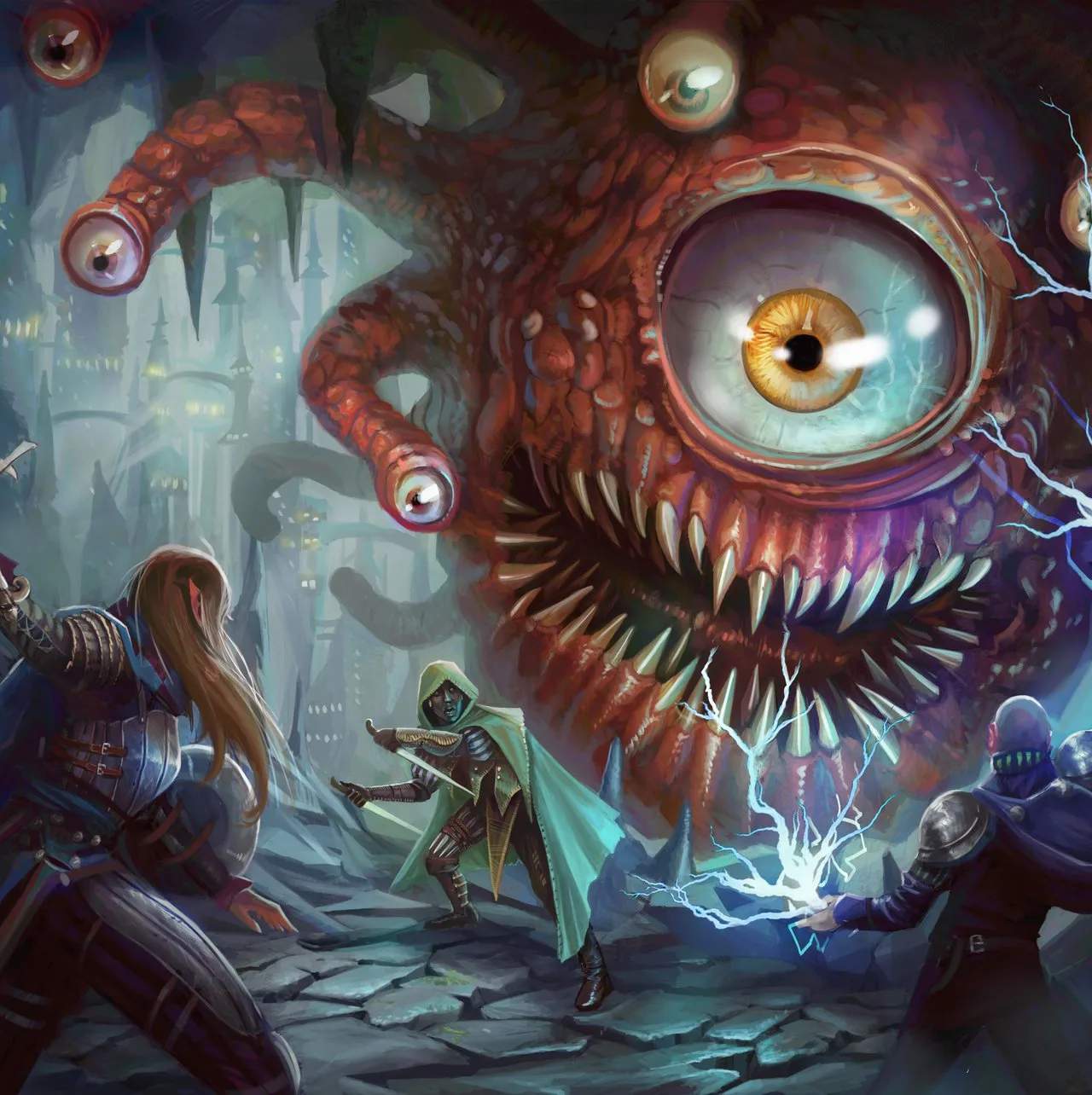
A significant portion of your adventure will take you into the Underdark, a vast subterranean realm inhabited by dark elves (Drow), Mind Flayers, Beholders, and other terrifying creatures. This alien environment has its own complex societies and dangers.
- Ust Natha: The Drow city you will eventually infiltrate. Understanding Drow matriarchal society and their intricate political machinations is paramount for survival and progression.
- The Kuo-Toa and Mind Flayers: These monstrous races are common inhabitants of the Underdark and will pose significant threats. Learning their weaknesses and tactics is crucial.
The Gods of Faerûn
The pantheon of Faerûn plays an active role in the lives of mortals. While Bhaal is central to your personal story, other deities and their followers will influence your journey.
- Helm: God of Guardians. His temple in Athkatla is a safe haven and a source of healing.
- Lathander: God of Dawn and Renewal. His followers are often benevolent and offer aid.
- Talos: God of Storms and Destruction. His followers are typically chaotic and destructive, often serving as antagonists.
- Chauntea: Goddess of Agriculture. While not directly involved in your main quest, her influence is felt in rural areas like Umar Hills.
By immersing yourself in this rich tapestry of lore, you'll not only understand the motivations of your allies and enemies but also unlock deeper layers of enjoyment and strategic advantage within Baldur's Gate II.