
The Famine Fiend: Conquering Banished's Ultimate Challenge
In Banished, the most formidable adversary isn't a rampaging beast or a hostile tribe; it's the insidious, ever-present threat of famine. This "Famine Fiend" can cripple your burgeoning settlement, leading to widespread starvation, disease, and ultimately, the complete collapse of your community. Unlike other challenges, famine often builds slowly, a creeping dread that can suddenly erupt into a full-blown crisis if not meticulously managed. This comprehensive guide will equip you with the knowledge and strategies to not only survive the Famine Fiend but to thrive in its shadow.
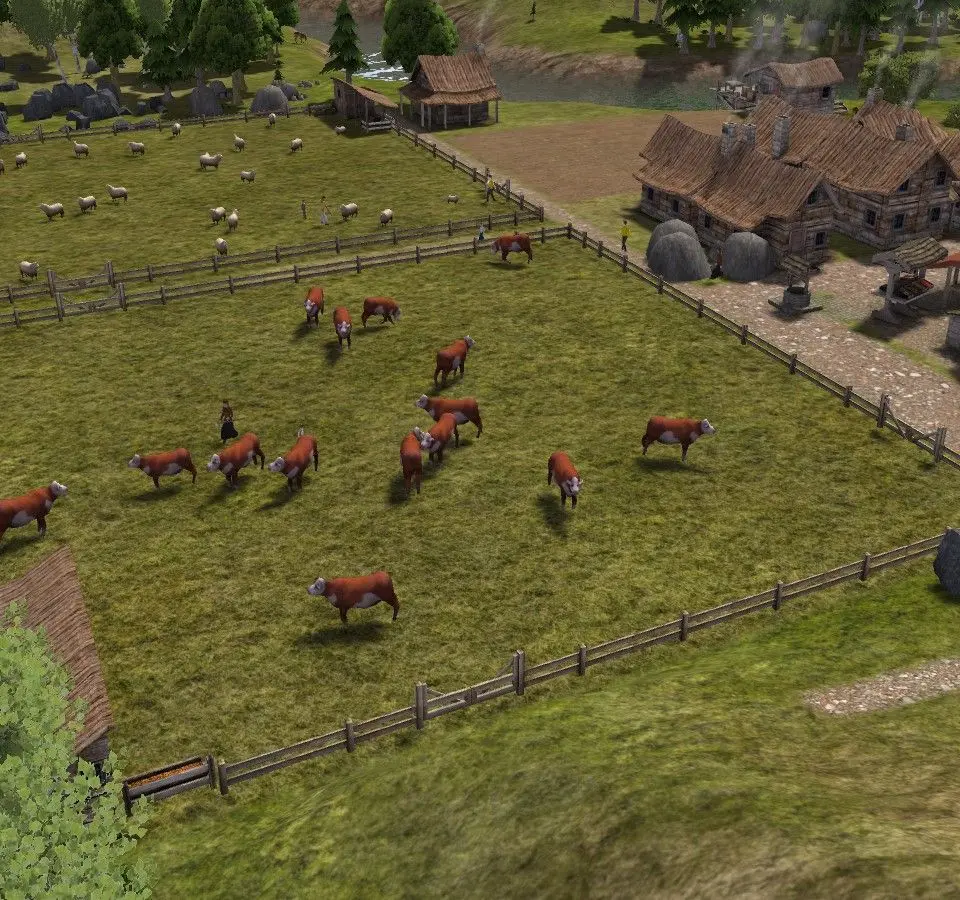
Understanding the Famine Fiend: Its Triggers and Impact
The Famine Fiend is a multifaceted threat, triggered by a combination of factors and manifesting in devastating ways:
- Poor Harvests: Unfavorable weather, early frosts, or blights can decimate crop yields, particularly if you rely heavily on a single farm type.
- Overpopulation: A rapidly growing population without a corresponding increase in food production will quickly outstrip your reserves.
- Lack of Diversity: Relying on only one or two food sources (e.g., just farms) leaves you vulnerable to specific environmental events or resource depletion.
- Inefficient Distribution: Poorly placed Storage Barns or Markets can lead to food spoilage or citizens starving despite available food due to long travel times.
- Disease Outbreaks: Sickness can reduce worker efficiency, leading to less food gathered or processed, and can also increase food consumption as sick citizens require more care.
- Resource Depletion: Over-hunting or over-gathering in an area can exhaust local resources, forcing your citizens to travel further or find new sources.
The impact of famine is catastrophic:
- Widespread Starvation: Citizens will begin to starve, leading to rapid population decline.
- Reduced Health and Happiness: Malnourished citizens are less productive, more prone to illness, and generally unhappy, which can lead to further productivity drops.
- Increased Disease: Weakened immune systems make your population more susceptible to outbreaks.
- Economic Collapse: With a dwindling workforce and unhappy citizens, your economy will grind to a halt.
Proactive Strategies: Building Famine Resistance
The best way to defeat the Famine Fiend is to prevent it from ever taking hold. Proactive food management is paramount.
1. Diversify Your Food Economy
Never put all your eggs in one basket. A robust food supply relies on several sources:
- Farms: Wheat, Corn, Squash, Beans, Potatoes, Cabbage. Plant a mix to mitigate the risk of a single crop failure. Consider crop rotation if using mods.
- Orchards: Apples, Pears, Peaches, Cherries. These take longer to mature but provide consistent yields once established.
- Gatherer's Huts: Excellent early-game food source, providing berries, mushrooms, onions, and roots. Place them in dense forests.
- Hunter's Cabins: Provide venison and leather. Also best placed in dense forests.
- Fishing Docks: Provide fish. Build on rivers or lakes.
Recommended Ratio: Aim for a balanced mix. A good starting point might be 25% farm, 25% orchard, 25% gatherer, 15% hunter, 10% fisher, adjusting based on terrain and population size.
2. Maintain a Significant Food Surplus
Always aim for a substantial food surplus. A general rule of thumb is to have enough food stored to last your entire population for at least 2-3 years. You can monitor this by checking your town hall statistics. A healthy surplus provides a buffer against unexpected events like bad harvests or sudden population growth.
3. Optimize Resource Placement and Distribution
- Storage Barns: Build these strategically near food production sites (farms, gatherers, hunters, fishers) to minimize travel time for workers. Also, place them near residential areas and Markets to ensure citizens have easy access.
- Markets: Essential for larger settlements. Markets distribute food and goods efficiently to homes within their radius, reducing the need for individual citizens to travel long distances to Storage Barns. Assign enough vendors to keep shelves stocked.
- Roads: Build well-maintained roads to connect production sites to storage and markets, further reducing travel times.
4. Manage Population Growth Prudently
While growth is good, uncontrolled growth can be disastrous. Ensure your food production scales with your population. Before building new homes, assess your current food surplus and production capacity. A sudden influx of new families can quickly deplete your reserves.
5. Educate Your Workforce
Educated workers (from Schools) are more efficient. More efficient farmers, gatherers, and hunters mean more food produced with the same number of workers.
Reactive Strategies: When Famine Looms
Even with the best planning, famine can sometimes strike. Here's how to react swiftly and decisively:
1. Immediate Food Production Boost
- Build More Food Structures: Prioritize building new Farms, Gatherer's Huts, and Fishing Docks. Place them strategically for maximum efficiency.
- Assign More Workers: Immediately reassign available laborers to food production. If necessary, pull workers from less critical jobs (e.g., builders, miners, foresters) temporarily.
- Prioritize Food Production: In the Town Hall, you can set production limits or priorities. Ensure food production is at the top.
2. Trading Post Intervention
The Trading Post is your lifeline in a crisis. If you have any surplus goods (tools, clothes, firewood, iron, stone), trade them for food.
- Order Food: Place an order for a large quantity of food (e.g., 5,000-10,000 units). Prioritize diverse food types if possible.
- Prepare Trade Goods: Ensure your Trading Post has enough goods to trade when the merchant arrives.
- Be Patient: Merchants don't arrive instantly, so this is a short-to-medium term solution.
3. Emergency Measures
- Reduce Consumption (Indirectly): While you can't directly tell citizens to eat less, ensuring they are warm (firewood) and healthy (herbalists, hospitals) can prevent further declines in productivity and overall well-being, indirectly helping to conserve food.
- Monitor Closely: Keep a constant eye on your food stock, population health, and starvation notifications. Adjust your strategy as needed.
Common Pitfalls and Missables
- Ignoring Early Warnings: Don't wait until your food stock is critically low. A declining trend in your food graph is a red flag.
- Single-Source Reliance: Over-reliance on farms is a classic mistake. A single bad harvest can wipe out your food supply.
- Poor Worker Allocation: Having too many builders or miners and not enough food producers is a recipe for disaster.
- Neglecting Education: Uneducated workers are less efficient, meaning you need more of them to produce the same amount of food.
- Lack of Infrastructure: Insufficient Storage Barns or Markets can lead to food spoilage or distribution bottlenecks, even if you have enough food.
- Over-Expanding Too Quickly: Rapid population growth without proportional food production is a guaranteed path to famine.
Conclusion: The Ever-Present Threat
The Famine Fiend is Banished's most persistent and challenging adversary. It demands constant vigilance, strategic planning, and swift action. By diversifying your food sources, maintaining a healthy surplus, optimizing your infrastructure, and reacting decisively to crises, you can ensure your settlement not only survives but flourishes, proving your mastery over the harsh realities of the wilderness.