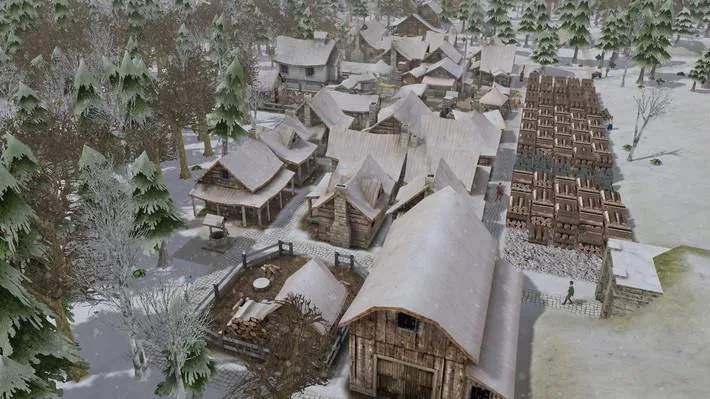
Citizen Demographics & Needs: The Heartbeat of Your Settlement
In Banished, your citizens are not just numbers; they are the living, breathing foundation of your settlement. Their well-being, productivity, and very existence dictate your town's success or failure. Mastering the art of managing their demographics and fulfilling their diverse needs is paramount for long-term survival and prosperity.
Every citizen, from the youngest child to the oldest elder, plays a role and requires careful consideration. Understanding their life cycle, their daily demands, and how these factors intertwine is the key to building a thriving, self-sustaining community.
Understanding the Citizen Life Cycle
Banished citizens progress through distinct life stages, each with its own implications for your town's economy and labor force:
- Children (0-10 years old): These are your future. Children do not contribute to the workforce but consume food, shelter, and warmth. Their presence is vital for population growth.
- Students (10-16 years old): If you have a School House, children will transition into students. Students also do not work but gain education, which significantly boosts their productivity once they become adults. Without a school, children transition directly to uneducated adults.
- Adults (16-60 years old): The backbone of your workforce. Educated adults are more efficient in their assigned tasks. They consume resources, require housing, and are responsible for procreation.
- Elders (60+ years old): Elders retire from the workforce but continue to consume resources. While they no longer contribute labor, their presence indicates a healthy, stable society where citizens can live long lives. A town with a good number of elders suggests effective resource management and healthcare.
Monitoring the distribution of your population across these age groups is critical. A healthy demographic balance ensures a steady supply of labor, prevents population crashes, and avoids resource strain from too many non-working individuals.
Core Citizen Needs: The Pillars of Survival
Your citizens have fundamental needs that, if unmet, will lead to unhappiness, illness, and ultimately, death. These must be consistently addressed:
- Food: The most basic requirement. Citizens consume food daily. A diverse diet (meat, vegetables, fruit, grain) contributes to better health.
- Shelter: Every family needs a home. Houses provide warmth and a place for families to grow. Overcrowding or homelessness leads to unhappiness and increased exposure to the elements.
- Warmth (Firewood): Essential for surviving harsh winters. Each house consumes firewood, especially during colder months. A lack of firewood can lead to citizens freezing to death.
- Health: Maintained by a balanced diet, proper housing, and access to a Herbalist or Physician. Poor health reduces productivity and increases mortality rates.
- Happiness: While not immediately fatal, low happiness reduces productivity and can lead to lower birth rates. Factors influencing happiness include diverse food, good housing, access to a Marketplace, and sufficient resources.
- Education: Provided by a School House. Educated workers are significantly more efficient in all professions, from farmers to miners.
Monitoring Your Population: The Information Tab
The Information Tab (accessible via the icon resembling a scroll or book) is your primary tool for understanding your town's demographics and needs. This tab provides a comprehensive overview, including:
- Population Count: Total number of citizens.
- Age Distribution: A breakdown of children, students, adults, and elders. This is crucial for identifying potential labor shortages or an aging population.
- Birth and Death Rates: Essential indicators of your town's health and sustainability. A consistently higher death rate than birth rate signals severe problems.
- Health and Happiness Levels: Average statistics for your entire population. Low numbers here require immediate investigation.
- Education Levels: Shows the percentage of educated adults, directly impacting overall productivity.
- Homelessness: The number of families without a home, a critical issue that needs swift resolution.
- Food, Firewood, and Tool Stock: While not strictly demographics, these resource levels directly impact citizen well-being and are often monitored in conjunction with population data.
Strategic Demographic Management: Balancing Your Future
Maintaining a balanced demographic is a continuous challenge. Here are specific strategies:
Encouraging Population Growth (Births):
- Build Enough Housing: New families form when young adults have available homes. If you have many young adults but no new houses, they cannot marry and have children. Aim to always have a few empty houses available.
- Ensure Abundant Resources: Citizens are more likely to have children when their needs (food, warmth, health) are consistently met. A stable food supply and warm homes are strong incentives.
- Maintain High Happiness: Happy citizens are more likely to procreate. Diverse food, good housing, and access to a Marketplace contribute to happiness.
- Avoid Over-Educating Early On: While education is vital, in the very early game, building a School House too soon can halt population growth. Students don't work, and if you have too many, your workforce shrinks, potentially leading to resource shortages and starvation, which in turn reduces births. Consider delaying your school until you have a stable food supply and at least 20-30 adults.
Managing an Aging Population:
An aging population (a high percentage of elders and fewer children/young adults) can lead to a shrinking workforce and eventual population collapse. This often happens after an initial boom period.
- Proactive Housing Construction: As mentioned, continuously build houses to allow new families to form. Don't wait until you have a crisis.
- Monitor Birth Rates Closely: If birth rates start to decline while death rates remain stable or increase, you need to act.
- Diversify Food Production: Ensure a robust and varied food supply to keep citizens healthy and happy, encouraging longer lifespans and more births.
- Consider Immigration (Nomads): While not a reliable long-term strategy, accepting nomads from the Trade Post can provide an immediate influx of adults, temporarily boosting your workforce and potentially introducing younger individuals. Be cautious, as nomads can bring disease if you don't have a Hospital.
Addressing Labor Shortages:
- Prioritize Education: If you have a steady stream of children, a School House will ensure they become highly productive adults, maximizing your workforce's efficiency.
- Optimize Resource Chains: Ensure your resource production (food, firewood, tools) is efficient to prevent workers from idling due to lack of materials or storage.
- Reallocate Workers: Temporarily move workers from less critical jobs (e.g., quarries, mines once reserves are low) to essential roles like farming, logging, or food processing during critical periods.
- Build More Homes: This is the fundamental solution for long-term labor growth. More homes mean more families, more children, and eventually, more adults.
Common Pitfalls and How to Avoid Them:
- The "Boom and Bust" Cycle: Many new players experience rapid growth followed by a sudden population crash. This is often due to over-expansion without sufficient food production, leading to starvation, or neglecting housing, which stifles new family formation. Always ensure food production outpaces consumption, and build houses proactively.
- Neglecting Education: While tempting to skip early on, uneducated workers are significantly less efficient. This means you need more workers to produce the same amount of goods, straining your labor force. Build a school once your food supply is stable.
- Running Out of Firewood: A common killer in winter. Always have dedicated Foresters and Woodcutters, and ensure you have sufficient storage for firewood. Build a new Woodcutter well before winter if your stock is low.
- Disease Outbreaks: Unhealthy citizens are prone to disease. Ensure a diverse diet, good housing, and build a Herbalist or Hospital as soon as possible to treat the sick and prevent epidemics.
- Lack of Tools: Tools are consumed by almost all professions. Running out of tools drastically reduces productivity. Establish a Blacksmith early and ensure a steady supply of iron and coal (or trade for them).
By diligently monitoring your citizen demographics and needs, and implementing these strategic approaches, you can transform your small settlement into a thriving, resilient city capable of withstanding the harsh realities of Banished.