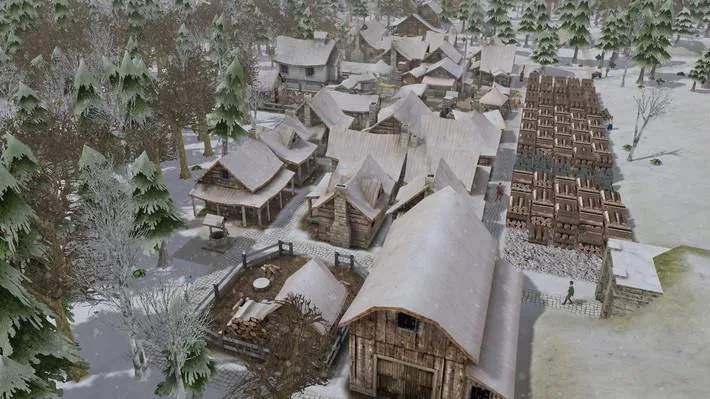
Disaster Management & Prevention
In the harsh world of Banished, your settlement is constantly at risk from various calamities. Proactive disaster management and prevention are crucial for long-term survival. This section details strategies to mitigate the impact of common disasters and how to prepare for the unexpected.
I. Environmental Calamities
These are often unpredictable but can be prepared for with proper infrastructure and resource management.
- Fires:
- Prevention: Build Stone Houses instead of Wooden Houses as soon as resources allow, as they are less prone to catching fire. Ensure adequate spacing between buildings to prevent fire spread.
- Response: Construct Wells strategically throughout your settlement. A well within range of burning structures allows nearby citizens to quickly douse flames. Prioritize building wells in densely populated areas and near resource stockpiles.
- Key Item: Water from Wells.
- Tornadoes:
- Prevention: There is no direct prevention for tornadoes. However, a diversified economy and robust resource stockpiles (food, firewood, building materials) will allow for quicker recovery.
- Response: Immediately after a tornado, prioritize rebuilding essential structures like Storage Barns, Houses, and Food Production buildings (e.g., Farms, Fishing Docks). Assign a high number of laborers to clear debris and rebuild.
- Key Strategy: Maintain a surplus of Logs and Stone in your Stockpiles for rapid reconstruction.
- Blizzards & Harsh Winters:
- Prevention: Ensure a substantial surplus of Firewood or Coal before winter arrives. Each House requires fuel. Build enough Foresters and Woodcutters early on, and consider a Mine for Coal in later stages.
- Response: If fuel runs low, citizens will freeze. Prioritize Firewood production. If food is scarce, citizens will starve. Ensure your Storage Barns are well-stocked with various food types (e.g., Fish, Vegetables, Meat).
- Key Items: Firewood, Coal, various Food types.
II. Resource Depletion & Famine
Sustainable resource management is paramount to avoid these self-inflicted disasters.
- Food Shortages/Famine:
- Prevention: Diversify your food sources. Relying solely on one type of food (e.g., Farms) is risky due to crop blights or harsh winters. Establish Fishing Docks, Hunting Cabins, Gatherer Huts, and Orchards.
- Strategy: Overproduce food in good years to build a buffer in your Storage Barns. Monitor your food supply per capita closely via the Resource Tab. Aim for at least 2 years' worth of food stored.
- Key Buildings: Fishing Dock, Hunting Cabin, Gatherer Hut, Farm, Orchard.
- Tool & Clothing Shortages:
- Prevention: Build Blacksmiths for Tools and Tailors for Clothing. Ensure a steady supply of raw materials: Iron and Coal for tools (from Mines), and Leather (from Hunters) or Wool (from Shepherds) for clothing.
- Impact: Lack of tools reduces worker efficiency, leading to cascading resource shortages. Lack of clothing makes citizens more susceptible to freezing in winter.
- Key Items: Iron, Coal, Leather, Wool.
III. Health & Population Crises
A healthy and stable population is the backbone of your settlement.
- Disease Outbreaks:
- Prevention: Build a Herbalist early to gather Herbs. Ensure your citizens have access to several food, as a diverse diet improves health. Avoid overcrowding in Houses.
- Response: Construct a Hospital as soon as possible. Assign a Doctor to treat the sick. If a disease spreads rapidly, consider temporarily halting new construction to free up laborers for the hospital.
- Key Items: Herbs.
- Key Buildings: Herbalist, Hospital.
- Aging Population & Low Birth Rates:
- Prevention: Ensure a steady supply of new Houses to allow young adults to form new families. A lack of available housing will prevent new births.
- Strategy: Monitor your population demographics in the Town Hall. If you see a large elderly population and few children, prioritize building more homes. Consider accepting Nomads from the Trading Post if your population is critically low, but be aware they can bring disease.
- Key Building: Town Hall (for monitoring), Trading Post (for Nomads).
IV. General Prevention Strategies
- Diversification: Never rely on a single source for critical resources like food, tools, or fuel.
- Overproduction: Aim to produce more than you consume, creating a buffer in your Storage Barns and Stockpiles for emergencies.
- Infrastructure: Invest in robust infrastructure like Stone Roads for faster transport, and strategically placed Marketplaces to distribute goods efficiently.
- Education: Build a School early. Educated workers are more efficient and productive, helping to prevent resource shortages.
- Trading: Establish a Trading Post to import vital resources you may be lacking (e.g., Iron, Coal, Seeds, Livestock) or to sell surplus goods for Trade Goods to purchase necessities.