Threat Assessment:
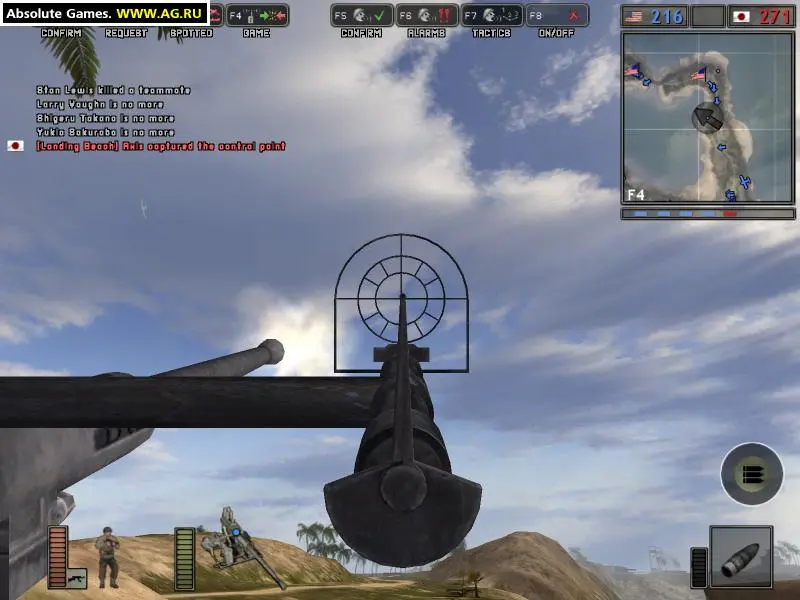
A heavily fortified position could be a building swarming with enemy infantry, a bunker with machine gun emplacements, or a control point with multiple anti-tank and anti-air guns. These positions often deny access to critical objectives and can halt an entire team's advance.
Strategy:
- Reconnaissance (Scout): Use a Scout with binoculars to identify enemy positions, vehicle types, and potential entry points. Communicate this intel to your team.
- Artillery/Air Support: If available, call in artillery strikes or use bombers to soften up the defenses. Target machine gun nests, anti-tank guns, and concentrations of infantry.
- Smoke Grenades (Assault/Engineer): Use smoke to obscure enemy line of sight, allowing your team to advance closer or flank.
- Engineer Breaching/Explosives: Engineers can use TNT to destroy walls, create new entry points, or clear out entrenched enemies. Mines can be placed on approach routes to deter vehicle reinforcements.
- Coordinated Infantry Push (Assault/Medic): Assault soldiers lead the charge, using grenades to clear rooms. Medics follow closely to heal and revive, sustaining the push.
- Anti-Tank Support: If vehicles are part of the fortification, Anti-Tank soldiers must prioritize their destruction.
Key Weaknesses:
- Limited fields of fire (can be flanked).
- Vulnerable to explosives (grenades, TNT, bombs).
- Can be overwhelmed by coordinated, multi-pronged attacks.
Patience and coordination are key. Don't rush in one by one. Wait for your team to gather, use smoke and explosives, and then execute a synchronized push from multiple directions to overwhelm the defenders.