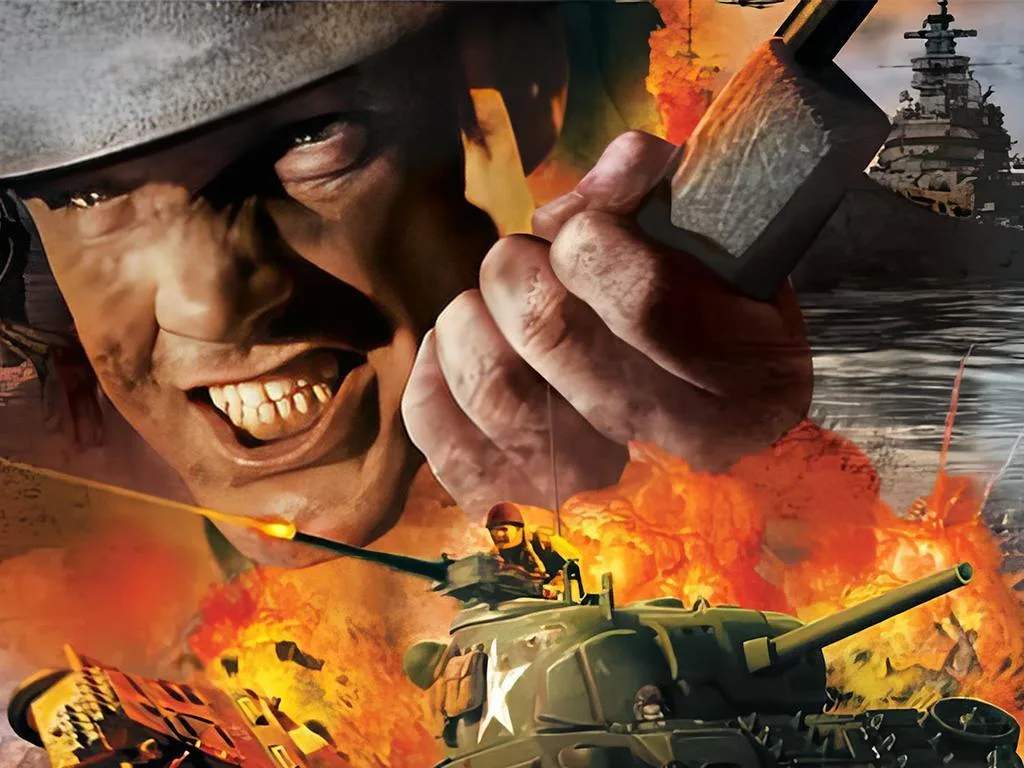
Battlefield 1942's vehicle combat is legendary, but truly mastering it involves engaging in advanced scenarios that push the limits of your skills and strategic thinking. Beyond basic engagements, consider scenarios that require coordinated assaults, specialized vehicle roles, and a deep understanding of map geometry. For instance, assaulting heavily fortified positions often necessitates a combined arms approach. Tanks should provide suppressing fire and act as mobile cover for infantry advancing on enemy emplacements, while aircraft can provide crucial air support by neutralizing anti-air threats or bombing entrenched positions.
Amphibious Assaults and Coastal Defenses
Maps featuring coastlines, such as those found in the "Road to Rome" expansion, present unique challenges. Amphibious assaults require careful planning. Landing craft must be escorted by naval vessels or protected by air cover to reach the shore safely. Once ashore, infantry and light vehicles must quickly establish a beachhead, often under heavy fire from entrenched enemy positions. Conversely, defending coastal areas involves utilizing the terrain for cover, positioning anti-tank guns effectively, and coordinating naval and air assets to repel incoming invasions.
Urban Warfare Vehicle Tactics
Urban environments, like those in Stalingrad, offer a different kind of vehicle combat. Tanks can be devastating but are also vulnerable to ambushes from buildings and tight alleyways. Utilizing armored cars and jeeps for reconnaissance and flanking maneuvers is often more effective than sending heavy tanks directly into narrow streets. Infantry with anti-tank capabilities are a constant threat, so awareness and quick reactions are paramount. Using buildings for cover and peeking out to fire, similar to infantry tactics, can also be applied by vehicles to minimize exposure.
Air-to-Air and Air-to-Ground Superiority
Achieving air superiority is often the key to victory in many scenarios. Fighter pilots must engage enemy aircraft to clear the skies for bombers and attack helicopters. Bombers, in turn, need to be protected as they target critical enemy infrastructure, such as artillery positions, supply depots, or even capital ships. Mastering dive bombing techniques for precision strikes on ground targets or torpedo runs on naval vessels requires practice and an understanding of wind and speed. Effective air-to-ground combat also involves coordinated attacks where aircraft soften up defenses before an infantry or armor push.