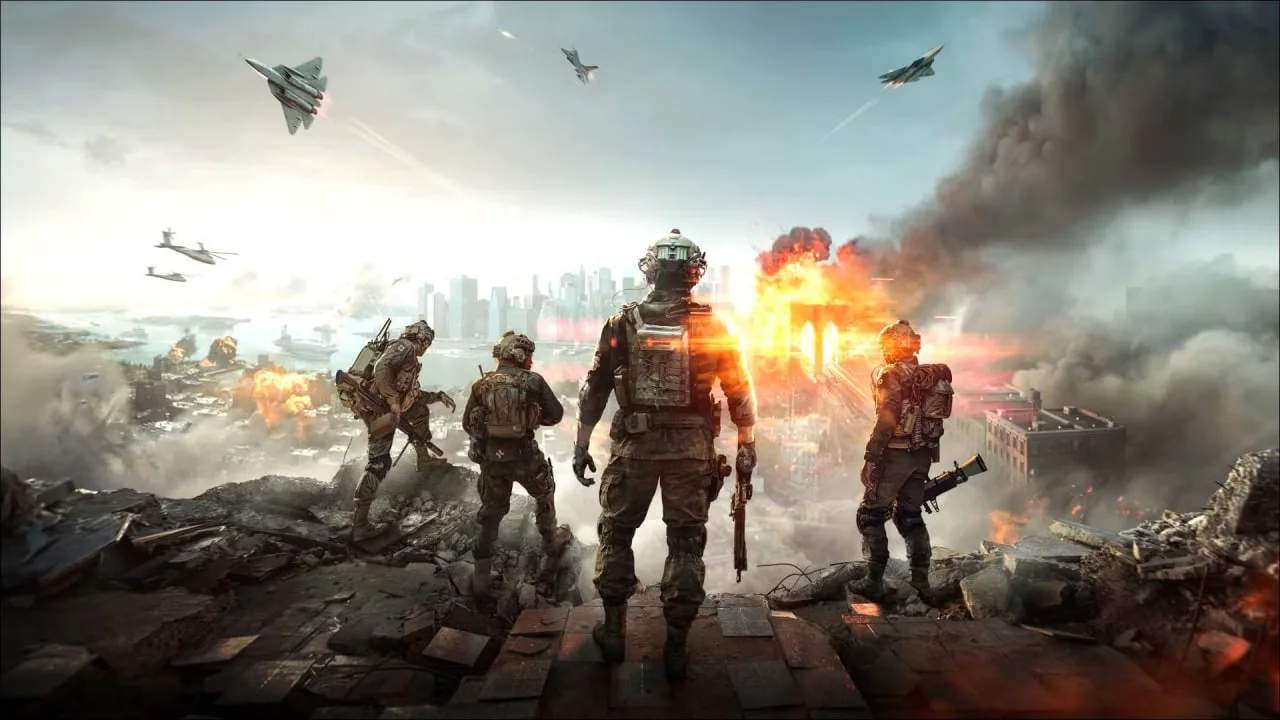
Battlefield 6: Mastering Basic Combat Mechanics
Understanding the fundamental combat mechanics of Battlefield 6 is crucial for survival and success. This guide breaks down movement, aiming, shooting, and utilizing your equipment to give you a solid foundation for engaging in any firefight.
Before diving into the complex strategies and advanced tactics of Battlefield 6, it's essential to have a firm grasp of the game's core combat mechanics. These are the building blocks upon which all successful gameplay is based. Mastering movement, aiming, shooting, and the effective use of your equipment will not only keep you alive longer but also sificantly increase your effectiveness on the battlefield, whether you're playing solo or with a squad.
Movement and Positioning:
Effective movement is more than just walking. Battlefield 6 offers:
- Sprinting: Use sprinting to cover ground quickly, but be aware that it makes you a larger target and can deplete stamina in some scenarios.
- Crouching and Prone: Crouching reduces your profile and improves weapon stability. Going prone offers the lowest profile and maximum stability, ideal for sniping or holding a position, but severely limits movement speed.
- Sliding: A quick slide can be used to quickly get into cover or change your trajectory during a firefight.
- Vaulting: Most low obstacles can be vaulted over, allowing for fluid traversal and quick escapes or advances.
- Cover System: Always utilize cover. Move from one piece of cover to the next. Peeking around corners is safer than exposing your entire body.
Aiming and Shooting:
Precision is key in Battlefield 6's gunfights:
- Aim Down Sights (ADS): Pressing the ADS button brings your weapon's sights up, sificantly increasing accuracy and reducing weapon sway. This is crucial for engaging targets at range.
- Hip Firing: Firing from the hip without aiming down sights is less accurate but faster. It's best used in very close-quarters combat where reaction time is paramount.
- Recoil Management: Every weapon has a recoil pattern. Learn to compensate by gently pulling down on your aiming stick/mouse as you fire. Burst firing or tap firing can also help manage recoil for more precise shots.
- Bullet Drop and Travel Time: For long-range engagements, especially with sniper rifles, you'll need to account for bullet drop (gravity pulling the bullet down) and bullet travel time (the time it takes for the bullet to reach the target).
Weapon Mechanics:
Understanding your tools is vital:
- Weapon Classes: Familiarize yourself with the different weapon classes (Assault Rifles, SMGs, LMGs, Sniper Rifles, Shotguns, etc.) and their optimal engagement ranges.
- Attachments: Utilize weapon attachments (scopes, grips, barrels, etc.) to customize your weapon's performance to suit your playstyle and the map.
- Reloading: Reloading leaves you vulnerable. Try to reload when you are safely behind cover. Be aware of your ammo count and reload proactively.
Equipment and Gadgets:
Your secondary equipment can be game-changing:
- Grenades: Frag grenades for clearing rooms, smoke grenades for cover, and incendiary grenades for area denial are all valuable tools.
- Specialist Gadgets: Each specialist has unique gadgets. Learn how to effectively deploy your specialist's abilities to support your team or gain an advantage.
- Medical and Ammo Crates: Support your teammates by deploying health and ammo supplies.
By internalizing these basic combat mechanics, you'll be well on your way to becoming a more effective and survivable soldier in Battlefield 6. Practice these fundamentals in every match, and you'll see a noticeable improvement in your performance.