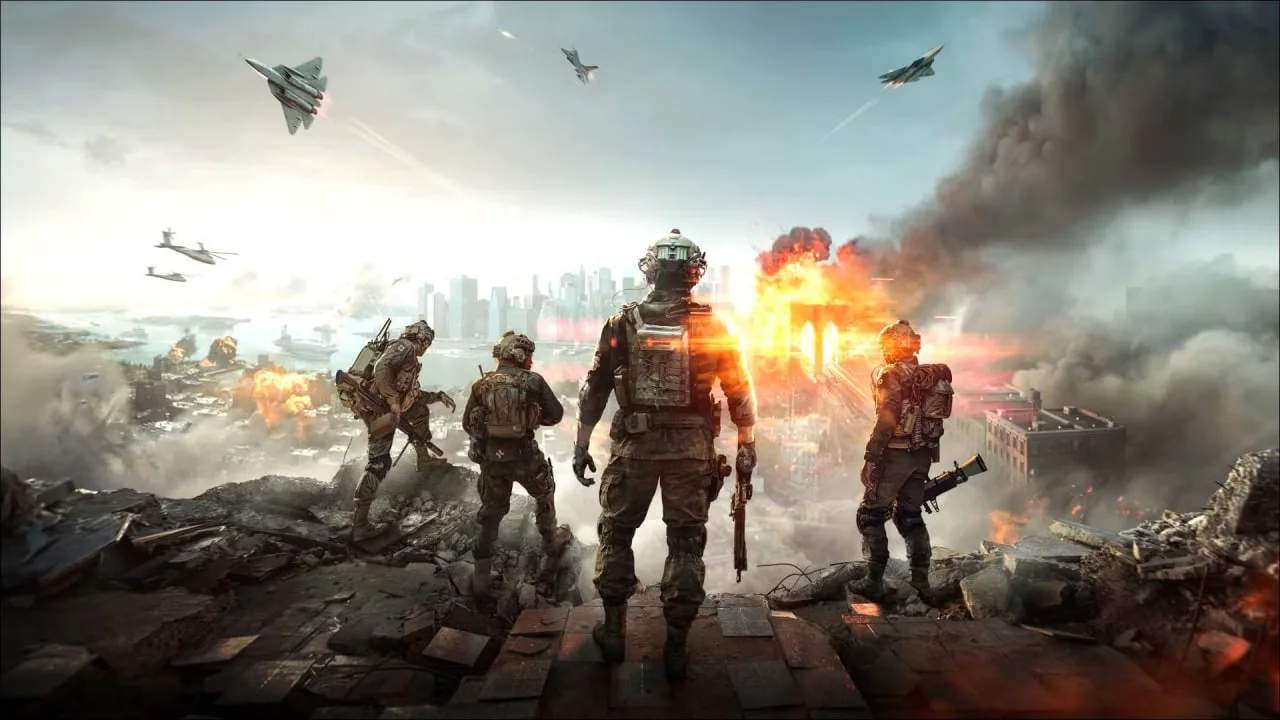
Section: Objective: Breach Outer Defenses
The initial phase of assaulting the enemy's outer defenses is a brutal test of armored might and coordinated assault. Your objective is to punch through their fortified lines, neutralize key threats, and establish a foothold for further advances. This section will guide you through the critical steps, highlighting enemy positions, essential tactics, and the capabilities of your armored vehicle.
Phase 1: Initial Assault and Suppression
As your tank platoon rolls out, expect immediate and heavy resistance. The enemy has established a layered defense designed to halt armored advances. Your primary focus here is to break through the initial wave of fortifications and suppress the infantry threat.
- Target Prioritization: Your primary cannon is your key to dismantling the enemy's hard defenses. Focus fire on:
- Concrete Bunkers: These provide cover for enemy infantry and machine gun nests. Multiple direct hits are usually required to destroy them.
- Anti-Tank Emplacements: These are your most immediate threat. Look for the distinct muzzle flashes and the tell-tale shapes of AT guns. Destroy them before they can disable your armor.
- Enemy Armor: Any enemy tanks or IFVs encountered must be dealt with swiftly. Aim for weak points like the rear or side armor if possible.
- Infantry Suppression: Enemy infantry will attempt to flank your position and deploy anti-tank rockets. Utilize your coaxial machine gun to keep them suppressed. A sustained burst of fire will force them to seek cover or retreat, buying your tank valuable time.
- Coordinated Fire: Communication is paramount. Coordinate with your allied tanks to focus fire on heavily armored targets or particularly troublesome emplacements. A concentrated barrage from multiple tanks can quickly overcome even the strongest defenses.
Phase 2: Navigating Minefields and Advanced Threats
Once the initial wave of resistance is softened, you'll likely encounter more insidious threats designed to cripple your advance. Navigating these requires careful observation and the correct use of your tank's systems.
- Minefield Detection: Enemy forces often lay minefields to channel or halt armored advances.
- Thermal Optics: Engage your thermal optics (default keybind: 'T' on PC, D-pad Up on Console) to identify the heat signatures of buried mines. They will appear as distinct, often slightly warmer, anomalies on the ground.
- Spotting Mines: Drive slowly and deliberately when in suspected minefield areas. If you spot a mine, you can attempt to detonate it from a safe distance with your coaxial machine gun or main cannon, or carefully maneuver around it.
- Other Targeting Systems: Beyond thermal, your tank may be equipped with other advanced targeting systems depending on its class and any Specialist modifications. These can include:
- Laser Designators: Used to guide smart munitions or mark targets for allied air support.
- Active Protection Systems (APS): Some advanced tanks feature APS that can intercept incoming anti-tank missiles. These often have a limited number of charges or a cooldown period.
Phase 3: Repair and Reinforcement
Sustaining damage is inevitable. Knowing how to recover and maintain your tank's combat effectiveness is crucial for a successful breach.
- Tank Repair Systems:
- Standard Tanks: Most standard tank variants will have a dedicated repair crew that automatically begins repairs when the vehicle is stationary and out of direct combat. This process can be accelerated by finding a designated repair zone or by a friendly Engineer Specialist.
- Specialist-Specific Abilities: Certain Specialists may have unique abilities that affect tank repair. For example, a "Mechanic" Specialist might have a faster self-repair ability or the ability to instantly repair a damaged tank they are in.
- Self-Repair Ability: Many modern tanks feature a limited self-repair ability. This is typically activated manually and has a cooldown period. It's best used when you've retreated to cover and need a quick patch-up before rejoining the fight.
- Infantry Support: Never underestimate the value of infantry support during a breach.
- Engineer Specialists: These units are vital for repairing your tank in the field, especially if your own repair systems are overwhelmed or unavailable. They can also deploy anti-tank mines or repair fortifications to secure your captured positions.
- Assault and Support Specialists: Their anti-infantry capabilities can help clear out enemy soldiers attempting to get close to your tank, while Support Specialists can provide ammunition and further defensive capabilities.
Common Pitfalls and Missables
- Ignoring Infantry: Letting enemy infantry swarm your tank with rockets is a quick way to get disabled or destroyed. Always keep your coaxial gun active against infantry threats.
- Rushing Minefields: Blindly driving into suspected minefields without using thermal optics or scouting ahead is a recipe for disaster.
- Overextending Without Support: Pushing too deep into enemy territory without infantry support or backup from other tanks leaves you vulnerable to ambushes and concentrated fire.
- Forgetting Repair Options: Not utilizing your self-repair or calling for an Engineer when damaged will significantly reduce your tank's lifespan on the battlefield.
