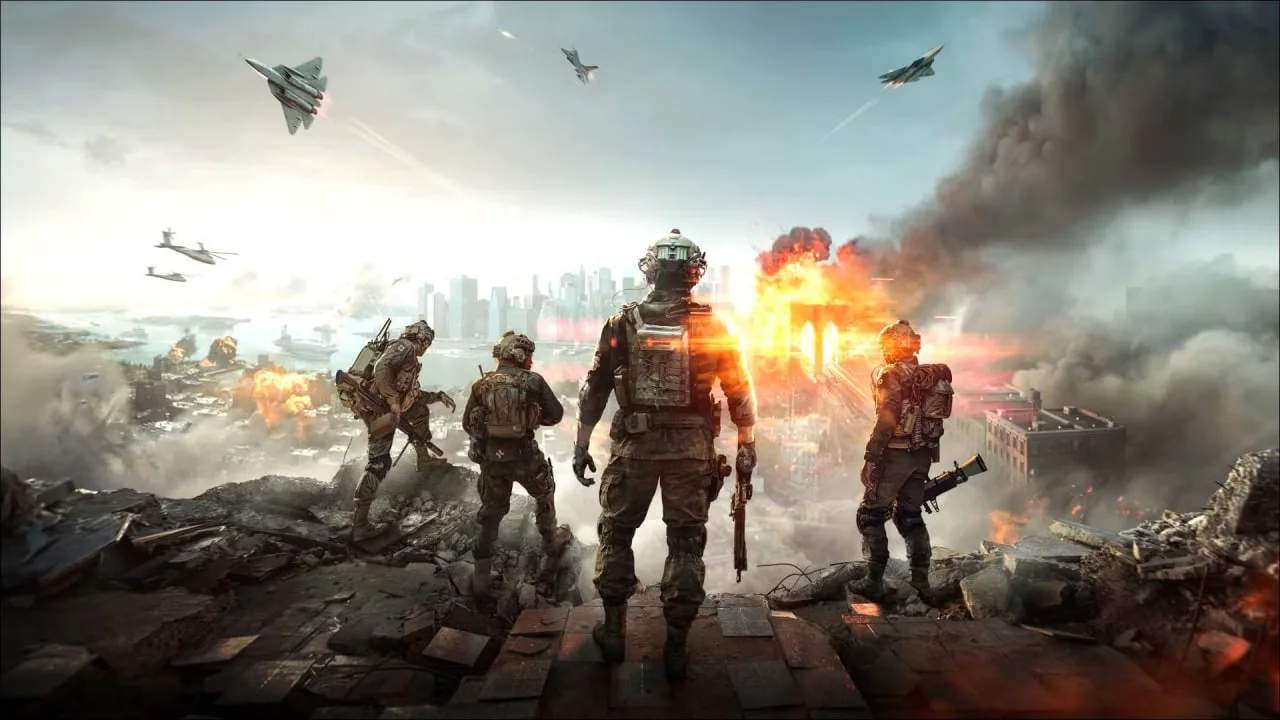
Mastering Squad Coordination in Battlefield 6
Effective squad coordination is the backbone of success in Battlefield 6. This guide delves into the essential communication, tactical positioning, and role specialization that will elevate your squad from a collection of individuals to a formidable fighting force.
In the chaotic and expansive battlefields of Battlefield 6, individual skill is important, but it's the synergy of a well-coordinated squad that truly dictates the outcome of engagements. Squad coordination isn't just about sticking together; it's about intelligent communication, shared objectives, and leveraging each member's strengths to overcome enemy opposition. A squad that operates as a cohesive unit can dominate objectives, provide crucial support, and turn the tide of any match.
The Pillars of Squad Coordination:
- Communication is Key:
- Voice Chat: Utilize in-game voice chat whenever possible. Clear, concise callouts are vital. Report enemy positions, vehicle threats, and objective status. Keep chatter to a minimum during intense firefights to avoid confusion.
- In-Game Pings: Battlefield 6 offers a robust ping system. Use it to mark enemy locations, suggest objectives, request ammo/health, or indicate danger. This is invaluable for players who cannot use voice chat.
- Squad Leader Role: If you're desated squad leader, actively use the squad order system to direct your squad towards objectives. This provides clear direction and earns squad points.
- Shared Objectives and Situational Awareness:
- Focus on the Objective: Always be aware of the current objective and the overall team strategy. A squad that consistently pushes or defends the objective is far more valuable than one chasing kills.
- Map Awareness: Understand the flow of the map. Where are the enemy likely to come from? Where are the most critical points to control? Share this awareness with your squad.
- Enemy Intel: Report enemy sightings, especially those in vehicles or heavily fortified positions. This allows your squad to adjust their approach or prepare for an assault.
- Role Specialization and Synergy:
- Understand Specialist Roles: Each specialist has unique gadgets and abilities. A balanced squad might include a medic for healing, an assault specialist for pushing objectives, a support specialist for ammo and fortifications, and a recon specialist for intel.
- Complementary Loadouts: Beyond specialists, ensure your squad members have loadouts that complement each other. If one player is focused on anti-vehicle, another can focus on anti-infantry.
- Mutual Support: Look out for your squadmates. Provide covering fire, revive downed allies, share ammo, and use your specialist abilities to assist them.
- Tactical Positioning and Movement:
- Stick Together (but not too close): Maintain proximity to your squadmates for mutual support, but avoid bunching up, which makes you an easy target for explosives and area-of-effect abilities.
- Utilize Cover: Always move from cover to cover. Coordinate your movements so that one member can provide overwatch while others advance.
- Vehicle Integration: If using vehicles, ensure your squad is communicating about their use. A squad that assaults an objective in an APC, with one member providing aerial support in a helicopter, is a powerful force.
By actively practicing these principles, your squad can become a highly effective unit. Remember, Battlefield 6 is a team game, and the most rewarding victories are often achieved through seamless squad coordination.