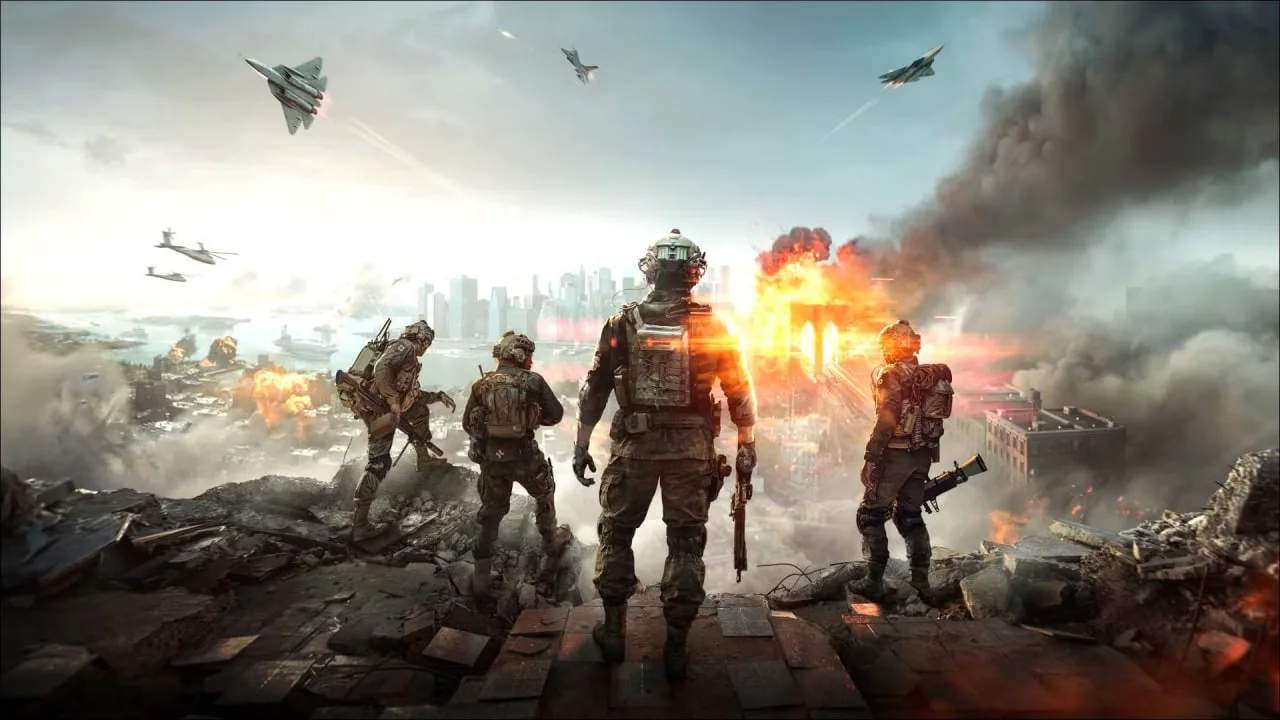
Naval Vessels in Battlefield 6 (if applicable)
While Battlefield 6 primarily focuses on ground and air combat, the potential inclusion of naval vessels could sificantly expand the strategic depth of its warfare. If implemented, these watercraft would offer new avenues for assault, defense, and map control, particularly on maps with extensive coastlines or large bodies of water.
The role of naval vessels in a Battlefield game can vary greatly, from small, agile patrol boats to larger, more heavily armed warships. Their presence would introduce a new dimension to combat, requiring players to consider amphibious assaults, coastal bombardment, and naval superiority. Maps desed with sificant water elements would become far more dynamic with the addition of these assets, forcing teams to adapt their strategies to include naval engagements.
Potential types of naval vessels and their roles:
- Patrol Boats/Skiffs: Small, fast vessels ideal for reconnaissance, rapid troop deployment along coastlines, and harassing enemy infantry or lighter watercraft. They would likely be armed with machine guns or light cannons.
- Assault Boats: Larger than patrol boats, these would be capable of transporting a squad and providing heavier suppressive fire with mounted cannons or rocket launchers. They could be crucial for amphibious assaults on coastal objectives.
- Gunboats/Fast Attack Craft: More heavily armed than assault boats, these vessels would be capable of engaging other light naval units and providing sificant fire support for ground troops attacking coastal positions.
- Potential for Larger Vessels (e.g., Destroyers, Frigates): While less likely for typical infantry-focused maps, larger warships could introduce strategic bombardment capabilities, anti-air defenses, and the ability to control large swathes of water. Their inclusion would likely be reserved for specific game modes or larger-scale maps.
Tactical considerations for naval combat:
- Amphibious Assaults: Naval vessels would be essential for launching coordinated attacks on coastal objectives, providing covering fire for advancing infantry.
- Coastal Defense: Defending against naval assaults would require dedicated anti-vehicle specialists, emplaced weaponry, or counter-naval assets.
- Map Control: Controlling key waterways could deny enemy movement, provide flanking routes, or establish dominant firing positions.
- Vulnerability: Naval vessels, especially larger ones, would likely be vulnerable to air attacks, specialized anti-vehicle infantry, and potentially other naval units.
The inclusion of naval vessels in Battlefield 6 would undoubtedly add a sificant layer of strategic complexity. Players would need to master new vehicle types, understand naval combat mechanics, and coordinate with teammates across different domains of warfare to achieve victory. The potential for dynamic water-based battles offers an exciting prospect for the franchise.