Building and Apartment Management
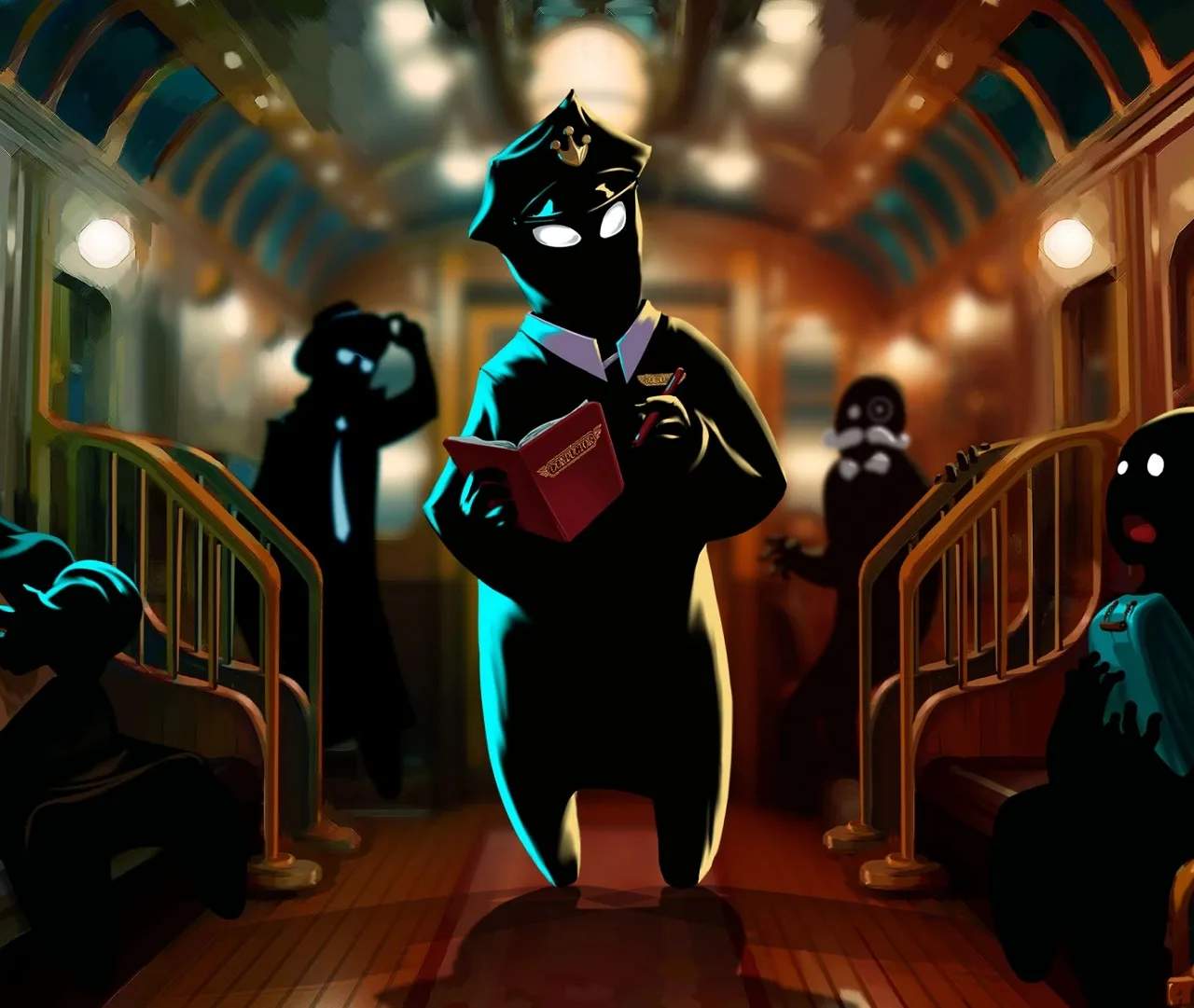
As the newly appointed Conductor, your primary role extends beyond simply observing citizens. You are the building's landlord, responsible for maintaining its integrity, managing its resources, and ensuring the comfort (or discomfort) of its tenants. Effective building management is crucial for generating income, completing directives, and ultimately, surviving the Ministry's scrutiny.
Apartment Allocation and Rental
Your building starts with a few occupied apartments and several vacant ones. Filling these vacancies is a key source of income and provides new subjects for your surveillance. Each apartment has a base rent, but this can be influenced by its condition and any installed amenities.
- Tenant Selection: When an apartment is vacant, potential tenants will periodically appear in your "Applicants" tab (accessible via the
 Menu). Each applicant has a brief bio detailing their profession, family size, and sometimes, hints at their personality or potential issues. Consider their needs against the apartment's size and your strategic goals.
 - Setting Rent: Before a tenant moves in, you can adjust the rent. Higher rent means more income, but can lead to tenant dissatisfaction and potentially, them moving out prematurely. Conversely, lower rent might attract tenants faster but reduces your profits. Experiment to find a balance.
- Eviction: Should a tenant become problematic (e.g., failing to pay rent, consistently violating laws, or simply being an obstacle to a directive), you have the option to evict them. Navigate to the tenant's profile in the
 Tenant List and select "Evict." Be aware that evicting tenants can sometimes incur a penalty or attract unwanted attention from the Ministry if done without proper justification.
Building Maintenance and Upgrades
A well-maintained building keeps tenants happy and prevents costly breakdowns. Neglect can lead to utility failures, tenant complaints, and even fines from the Ministry.
Utility Management
Your building relies on several key utilities. These can break down over time and require your attention.
- Electricity: Powers lights, appliances, and certain surveillance equipment. A broken electrical system will plunge apartments into darkness and disable electronic devices. To repair, interact with the
 Main Fusebox in the basement. You'll need a
  Electrical Repair Kit, purchasable from the
  Black Market Dealer or sometimes found in abandoned apartments.
 - Water: Essential for hygiene and basic living. A water outage will lead to tenant complaints and a decrease in their overall mood. The
 Main Water Valve is located on the ground floor, near the entrance. Repair requires a
  Plumbing Wrench, also available from the Black Market or scavenging.
 - Heating: Crucial during colder periods. Without proper heating, tenants will become uncomfortable and their productivity (and your rent collection) may suffer. The
 Boiler Room is in the basement. A
  Boiler Repair Kit is necessary for fixes.
Strategy Tip: Proactive maintenance is cheaper than emergency repairs. Keep a small stock of repair kits in your personal inventory or the building's storage chest (located in your apartment) to address issues quickly.
Apartment Improvements
Upgrading apartments can increase their rental value and tenant satisfaction, making them less likely to move out and more likely to pay on time.
- Furniture: Vacant apartments often come unfurnished. You can purchase basic furniture items like
 Beds,
Beds,  Tables, and
  Chairs from the
  Furniture Vendor (found in the town square after completing the "A New Chair" directive). Furnished apartments command higher rent.
 - Appliances: Installing appliances like a
 Radio or a
  Television can significantly boost tenant happiness and rent potential. These can be acquired through specific quests, purchased from the Black Market, or occasionally found during searches.
 - Security Upgrades: While primarily for your benefit, installing
 Surveillance Cameras or
  Listening Devices (purchased from the Ministry Contact or Black Market) can technically be considered "upgrades" to the apartment's "security" from a Ministry perspective, though tenants won't appreciate them.
Resource Management
Beyond physical repairs, you'll need to manage your personal and building-wide resources.
- Money: Earned through rent, completing directives, and selling contraband. Used for repairs, upgrades, bribes, and personal expenses. Always aim to have a healthy reserve.
- Influence: A crucial resource gained by completing Ministry directives and reporting violations. Used to persuade characters, unlock new directives, and sometimes avoid penalties.
- Items: Keep track of your inventory. Repair kits, surveillance equipment, and personal items all have their uses. Utilize your personal storage chest to avoid cluttering your limited inventory space.
By diligently managing your building and its inhabitants, you'll not only fulfill your duties as Conductor but also uncover the deeper secrets of the Ministry and the lives of those under your watchful eye.