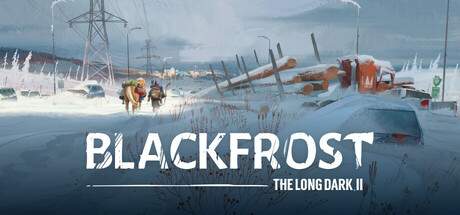
Choosing a Safe Location
The initial moments of Blackfrost: The Long Dark II are critical, and your first decision regarding shelter can set the tone for your entire playthrough. The world is vast and unforgiving, filled with both natural hazards and the lurking dangers of desperate survivors and predatory wildlife. Identifying a safe and strategically advantageous location to establish your first temporary or semi-permanent base is a fundamental survival skill. A well-chosen spot will provide protection from the elements, offer a degree of security, and ideally, be situated near essential resources.
When scouting for a location, consider several factors. Proximity to water is vital, as is access to potential food sources like game trails or foraging areas. The terrain itself can offer advantages; elevated positions provide better visibility, while natural choke points can be easier to defend. Conversely, areas with high predator activity or those prone to environmental dangers like avalanches or flash floods should be avoided. The presence of existing structures can also be a boon, offering immediate shelter and a head start on resource gathering, but these may also be contested or already looted.
Proximity to Resources
Look for locations that are reasonably close to essential resources. This includes access to clean water (frozen lakes or rivers that can be melted), potential hunting grounds (areas with animal tracks), and scavenging opportunities (abandoned cabins, outposts, or vehicles). Minimizing travel time to gather necessities is key to conserving energy and reducing exposure.
Natural Defenses and Visibility
Consider the surrounding terrain. Elevated positions offer better sightlines, allowing you to spot threats from a distance. Natural choke points, like narrow valleys or passes, can be easier to defend against multiple attackers. Avoid areas with dense foliage that can obscure threats or open plains where you are exposed.
Environmental Hazards and Wildlife Activity
Research the area for potential environmental dangers. Are there ss of frequent avalanches, rockslides, or extreme weather patterns? Observe the local wildlife. Areas with a high concentration of dangerous predators, such as wolves or bears, should be approached with extreme caution or avoided altogether until you are better equipped to defend yourself.