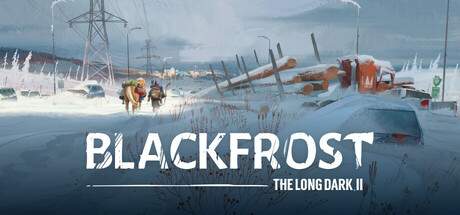
Maps & Scenarios
Blackfrost: The Long Dark II features a diverse array of meticulously crafted maps, each presenting unique environmental challenges, resource distributions, and strategic considerations. These maps are not merely backdrops; they are integral components of the gameplay, shaping the flow of encounters and dictating the types of strategies that will prove most effective. Understanding the characteristics of each map is paramount for any survivor aiming to thrive in this frozen world.
Beyond the static geography, the game also presents various scenarios that can alter the conditions and objectives within these maps. These scenarios can range from sudden environmental shifts, like blizzards or extreme cold snaps, to specific mission-based challenges that require unique approaches. This section will provide an overview of the general map des philosophy and the types of scenarios you can expect to encounter, setting the stage for more detailed region-specific guides to come.
Map Des Philosophy
The maps in Blackfrost are designed to evoke a sense of isolation, danger, and the constant struggle for survival. They feature a blend of natural landscapes and remnants of human civilization, offering both opportunities and perils. Key des elements include: varied terrain types (forests, mountains, frozen lakes, abandoned settlements), dynamic weather systems that impact visibility and temperature, and a distribution of resources that encourages exploration and strategic decision-making. Each map aims to provide a distinct gameplay experience, forcing players to adapt their tactics accordingly.
Types of Scenarios
Blackfrost's scenarios introduce dynamic elements that can drastically alter gameplay. These can include:
- Environmental Hazards: Sudden blizzards that reduce visibility and increase the risk of hypothermia, extreme cold snaps that drain warmth rapidly, or treacherous ice formations that can break underfoot.
- Wildlife Events: Increased predator activity in certain areas, migration patterns that bring new threats, or rare, dangerous animal encounters.
- Resource Scarcity/Abundance: Periods where certain resources become extremely rare, forcing players to scavenge more intensely, or times when specific resources are abundant, creating opportunities for stockpiling.
- Mission-Based Scenarios: Specific objectives that players must complete, such as rescuing stranded survivors, retrieving vital data, or establishing a temporary outpost under duress.
Interconnectivity of Maps
While each map offers a distinct experience, many are interconnected, allowing for seamless travel between them as players progress. Understanding these connections is crucial for long-term planning, resource management, and strategic movement across the vast game world. Discovering these links can open up new routes, reveal hidden caches, or lead to unexpected encounters with other survivors or dangers.