Navigation & Exploration
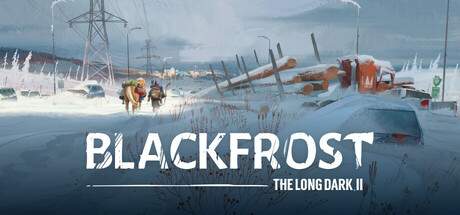
Navigating the vast and unforgiving landscapes of Blackfrost: The Long Dark II is a constant challenge, demanding careful observation and strategic planning. The game world is characterized by its sprawling wilderness, dotted with abandoned settlements and natural landmarks. Without a traditional GPS or readily available maps, players must rely on environmental cues, their compass, and their own sense of direction. Landmarks such as distinct rock formations, rivers, and the distant silhouettes of mountains become crucial points of reference. Understanding the cardinal directions and how they relate to these landmarks is fundamental to avoiding getting lost, especially during blizzards or at night when visibility is severely limited. The compass, while a reliable tool, requires careful calibration and understanding of magnetic declination, which can subtly affect its readings over long distances.
Exploration is not merely about traversing the map; it is a vital component of survival. Discovering new locations can yield essential resources, such as food, fuel, tools, and medical supplies. Abandoned cabins, prepper caches, and even the remnants of larger settlements often contain valuable items that can significantly improve your chances of survival. However, exploration also carries inherent risks. Venturing into unknown territory can expose you to environmental hazards like extreme cold, dangerous wildlife, or radiation zones. The risk of encountering predators such as wolves or bears is higher in less-traveled areas. Therefore, a balance must be struck between the need to explore for resources and the imperative to remain safe and conserve energy. Planning your routes, marking known safe locations, and always having a contingency plan for bad weather or unexpected encounters are key to successful exploration.
The game encourages a methodical approach to exploration. Players are advised to scout areas thoroughly, paying attention to the terrain and potential dangers. For instance, when approaching a frozen lake, test the ice thickness before attempting to cross, using a tool like a pry bar to check stability. The discovery of a new location, such as Boss's Settlement, can open up new opportunities for resource gathering and shelter. However, these locations may also present their own unique challenges, such as the presence of dangerous wildlife or the need for specific tools to access certain areas. The act of exploration itself is a learning process, where players gradually become more familiar with the game's geography, the patterns of wildlife, and the distribution of vital resources. This accumulated knowledge is invaluable for long-term survival, allowing players to make more informed decisions about where to travel, what risks to take, and how to best manage their resources.