Weather & Environmental Hazards
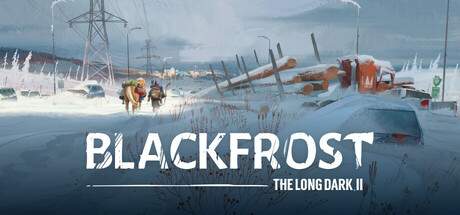
The relentless cold is your most persistent adversary in Blackfrost: The Long Dark II. Understanding and mitigating the effects of extreme weather is paramount to survival. Freezing temperatures can rapidly deplete your body heat, leading to Frostbite, a condition that causes gradual health loss and can eventually be fatal if not treated. Windchill significantly exacerbates the cold, making exposed areas far more dangerous. Blizzards can reduce visibility to near zero, disorienting you and making navigation treacherous. Hypothermia is another critical threat, setting in when your core body temperature drops too low. Symptoms include shivering, reduced stamina, and impaired judgment, making it harder to perform essential survival tasks. Staying indoors, wearing appropriate clothing, and maintaining a fire are vital countermeasures.
Beyond the cold, other environmental hazards pose significant risks. Thin ice on frozen bodies of water can break under your weight, plunging you into frigid water, which rapidly induces hypothermia. Navigating treacherous terrain, such as steep slopes or rocky outcrops, can lead to falls and injuries. Wildlife, while a potential food source, can also be a deadly threat. Wolves and bears, if encountered unprepared, can inflict severe damage. Radiation zones, remnants of the geomagnetic disaster, are marked by Geiger counters and can cause radiation sickness, a debilitating ailment that requires specialized treatment. Awareness of your surroundings and careful planning are essential to avoid these dangers.
The game mechanics surrounding weather are dynamic and unpredictable. A clear, calm day can quickly devolve into a blinding blizzard, forcing immediate shelter-seeking. The duration and intensity of these events vary, requiring constant adaptation. Clothing plays a crucial role in mitigating environmental effects. Different materials offer varying degrees of warmth and protection against wind and moisture. For example, wearing multiple layers of clothing, such as a wool sweater over a t-shirt, provides superior insulation compared to a single, thin garment. Maintaining the condition of your clothing is also important, as damaged or wet clothing loses much of its protective value. Repairing torn garments with a sewing kit or crafting new ones from animal hides is a key survival skill.