
Psychological Warfare
Beyond the raw probabilities and item management, mastering Buckshot Roulette at its highest levels demands a keen understanding of psychological warfare. Your goal isn't just to win rounds; it's to break your opponent's resolve, force them into mistakes, and manipulate their assumptions. This section delves into advanced tactics to get inside the Dealer's head.
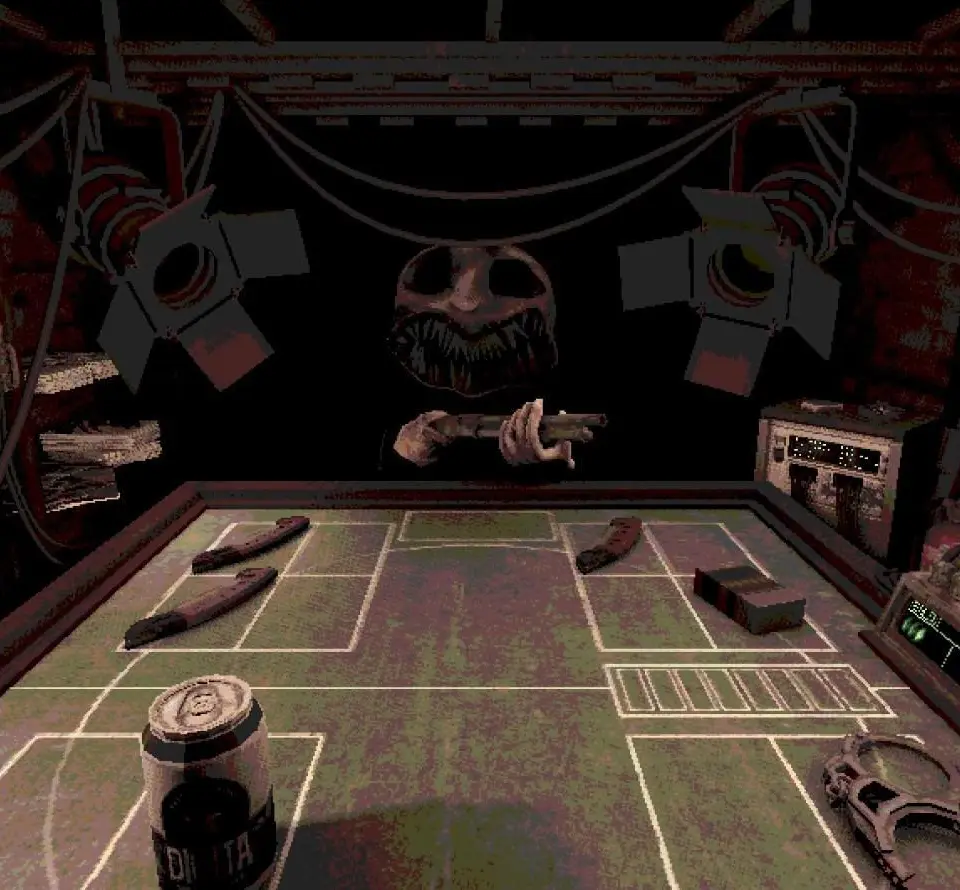
Reading the Dealer's Tells
While the Dealer is an AI, its actions are programmed to simulate human-like decision-making, including moments of hesitation or aggression. Pay close attention to:
- Shot Timing: A quick, confident shot often indicates a live round, especially early in the game. A longer pause might suggest a blank, or the Dealer weighing options with a live round.
- Item Usage: The Dealer's immediate use of items like the Hand Saw or Magnifying Glass can signal their confidence or desperation. If they use a Magnifying Glass and then shoot themselves, it's a strong indicator of a blank. If they use it and then shoot you, they likely saw a live round.
- Targeting Priority: Early in a round, if the Dealer has a choice between shooting themselves or you with an unknown round, their decision can be telling. Shooting themselves suggests they're gambling on a blank or trying to clear the chamber. Shooting you suggests they're confident in a live round.
Manipulating Expectations with Blanks
Blanks are your most potent psychological weapon. Don't just use them to clear the chamber; use them to sow doubt.
- The "Confidence Shot": If you know a blank is loaded (e.g., after using a Magnifying Glass), shoot yourself with conviction. This can make the Dealer believe you're either incredibly lucky or have a read on the chamber, potentially influencing their next move.
- The "Forced Hand": If the Dealer has few health points remaining and you have a blank, consider shooting yourself even if you have other options. This reduces the number of rounds in the chamber, potentially forcing the Dealer to take a risk with a live round on their turn, or to use a valuable item like Cigarettes prematurely.
- The "False Bluff": If you have a Hand Saw and a blank, consider using the Hand Saw on a blank round (shooting yourself). While seemingly wasteful, this can create the illusion that you're desperate for damage, potentially lulling the Dealer into a false sense of security or making them overcommit.
Strategic Item Deployment
Your items aren't just for direct benefit; they're for psychological pressure.
- Hand Saw as a Threat: Even if you don't use it, simply having a Hand Saw in your inventory can influence the Dealer. If you're low on health, they might be more hesitant to shoot you with an unknown round, fearing the doubled damage.
- Cigarettes for Resilience: Using Cigarettes when you're at 1 HP can be a powerful psychological move. It signals that you're not easily defeated and can absorb more punishment, potentially making the Dealer reconsider aggressive plays.
- Magnifying Glass for Information Control: Don't always use the Magnifying Glass immediately. Sometimes, holding onto it until the Dealer has made a few moves can give you a better read on their strategy before you commit. Conversely, using it early can project confidence.
The Art of the Pause
Just like the Dealer, your timing can be a weapon. Before making a critical decision, especially when the stakes are high:
- Hesitate Deliberately: A slight pause before shooting yourself with a blank, or before shooting the Dealer with a live round you're confident about, can add to the tension and make the Dealer's AI "think" harder about its next move.
- Project Confidence: When you're certain of your shot, execute it quickly and decisively. This projects an aura of control and can be unnerving for the Dealer.