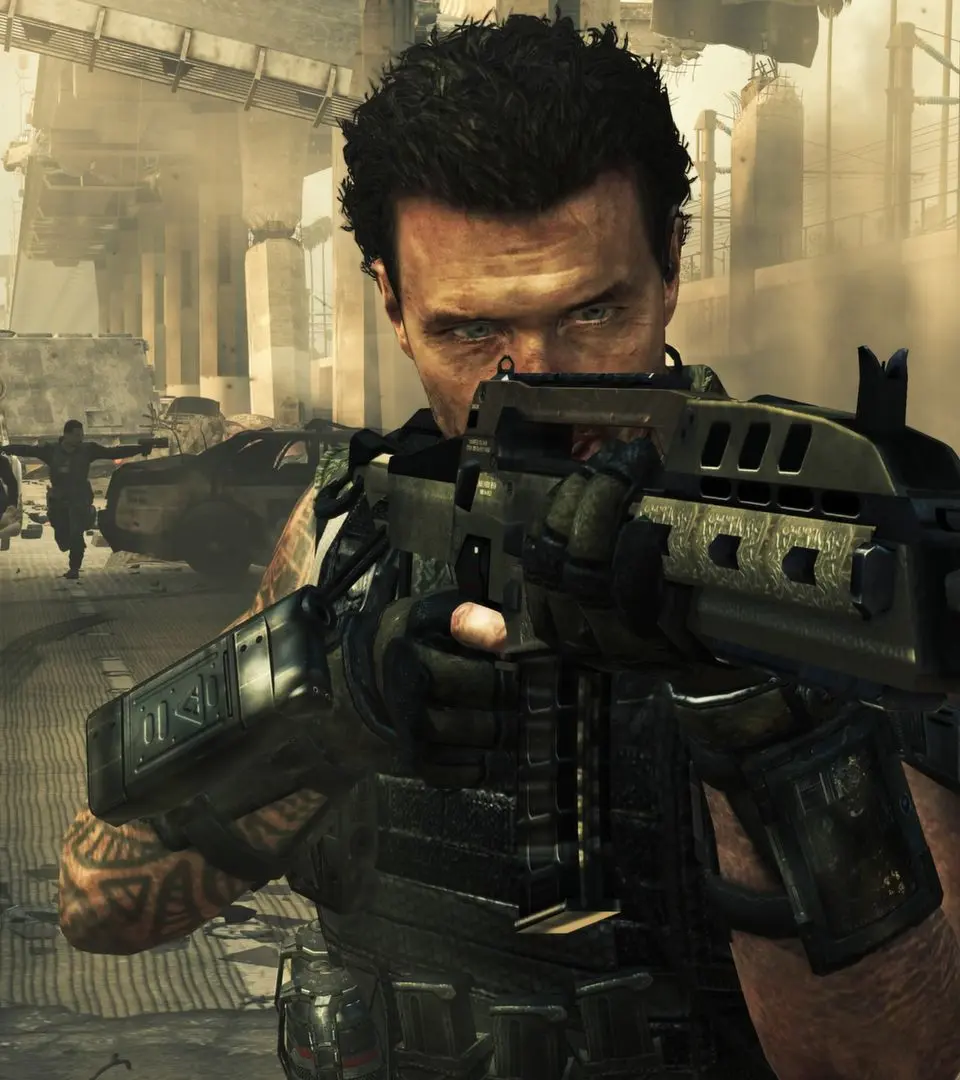
Wingsuit Insertion: Mastering Aerial Infiltration
The Wingsuit Insertion is a critical and exhilarating phase in several Call of Duty: Black Ops II missions, offering a rapid, stealthy, and often spectacular approach to your objectives. Unlike traditional combat encounters, these sections emphasize precision, timing, and environmental awareness over raw firepower. Mastering the wingsuit ensures a seamless transition into the next phase of your mission, often granting a tactical advantage.
Understanding Wingsuit Mechanics
Operating the wingsuit is intuitive but requires practice to perfect. Your primary controls will involve manipulating your character's body to generate lift, control speed, and steer. Pay close attention to the on-screen prompts, which are your best guide during initial deployments.
- Steering (Left Analog Stick / WASD):
- Up/Forward: Tilting the stick forward (or pressing 'W' on PC) will cause your character to dive, increasing speed but decreasing altitude. This is crucial for gaining momentum or reaching lower targets quickly.
- Down/Backward: Pulling the stick back (or pressing 'S' on PC) will cause your character to pitch up, reducing speed and gaining a small amount of altitude, or at least slowing your descent. Use this for fine adjustments or to avoid obstacles directly below you.
- Left/Right: Moving the stick left or right (or pressing 'A'/'D' on PC) will steer your character horizontally. This is your primary method for navigating around buildings, rock formations, and other environmental hazards.
- Speed Control (Right Analog Stick / Mouse Movement): While not always explicitly prompted, subtle movements of the right stick or mouse can influence your aerodynamics. Pushing forward slightly can increase your dive angle for speed, while pulling back can increase drag for slower, more controlled descents.
- Deployment (Contextual Button Press): The wingsuit deployment is typically automatic at the start of these sequences. However, some missions might require a specific button press (e.g., 'X' on Xbox, 'Square' on PS3, 'Spacebar' on PC) to initiate the jump and deployment.
- Landing (Contextual Button Press / Automatic): Landing is often automatic when you reach your designated zone. However, in some instances, a prompt may appear to deploy a parachute (e.g., 'A' on Xbox, 'X' on PS3, 'F' on PC) for a softer, more controlled landing, especially if you're aiming for a precise, elevated spot.
Common Wingsuit Missions & Scenarios
Wingsuit insertions are prominently featured in missions that require rapid infiltration into enemy territory or navigating complex urban environments. While specific mission details vary, the core mechanics remain consistent.
- "Karma" (Mena, Yemen): This mission often features a memorable wingsuit sequence where you descend into the city. The objective here is often to navigate through tight urban canyons, avoiding enemy air defenses and reaching a specific rooftop or street-level entry point.
- "Old Wounds" (Afghanistan): While not a full wingsuit insertion, elements of rapid descent and environmental navigation are present, preparing players for later, more complex sequences.
- "Achilles' Veil" (Singapore): This mission might involve navigating through the futuristic cityscape, dodging drones and anti-air emplacements while aiming for a secure landing zone.
Strategic Tips for Success
Achieving a perfect wingsuit insertion requires more than just basic control. Consider these advanced strategies:
- Anticipate Obstacles: Always look ahead. Obstacles like buildings, rock formations, power lines, and even enemy aircraft will appear quickly. Plan your trajectory several seconds in advance to execute smooth turns rather than last-minute evasions.
- Use the Environment to Your Advantage:
- Drafting: In some sequences, you might be able to "draft" behind larger friendly aircraft or even large buildings to momentarily reduce drag and maintain speed.
- Thermal Updrafts (Rare): While not explicitly a game mechanic, imagine updrafts near hot surfaces (like desert rocks or city vents) to gain a slight boost in altitude if you're struggling to maintain height.
- Maintain Momentum: Avoid excessive pitching up, as this can cause you to lose speed rapidly and make steering difficult. A steady, controlled descent is usually more effective than constant altitude adjustments.
- The "S-Turn" Maneuver: If you find yourself approaching an obstacle too quickly or need to lose altitude without gaining excessive speed, perform a series of gentle "S-turns." This involves steering left, then right, then left again. This increases your air resistance and slows your descent more effectively than simply pulling back on the stick.
- Target Acquisition: Your landing zone will often be highlighted. Keep it in your line of sight as much as possible. If it's obscured, use your mini-map or mission objective marker to guide you.
- Precision Landing: For missions requiring a precise landing (e.g., a specific rooftop or narrow alley), aim slightly above your target and then pitch down gently in the final moments. This allows for last-second adjustments. If a parachute deployment prompt appears, use it for a softer, more controlled touchdown.
Common Pitfalls and How to Avoid Them
- Crashing into Obstacles: This is the most common failure. The key is constant vigilance and proactive steering. Don't wait until you're about to hit something; adjust your path well in advance.
- Missing the Landing Zone: Often due to overshooting or undershooting. If you're too high, use gentle S-turns to lose altitude. If you're too low, try to gain a slight bit of lift by pitching up, but be mindful of losing too much speed. Sometimes, a slight dive to gain speed and then a pull-up can help cover distance.
- Loss of Control: Rapid, jerky movements can lead to a loss of aerodynamic control. Aim for smooth, deliberate inputs.
- Ignoring Prompts: Especially during your first few wingsuit sequences, pay close attention to any on-screen tutorials or prompts. They are designed to guide you through the specific challenges of that particular mission.
By understanding the mechanics, practicing your control, and applying these strategic tips, you'll transform from a novice skydiver into a master of aerial infiltration, ensuring every wingsuit insertion is executed with precision and efficiency.