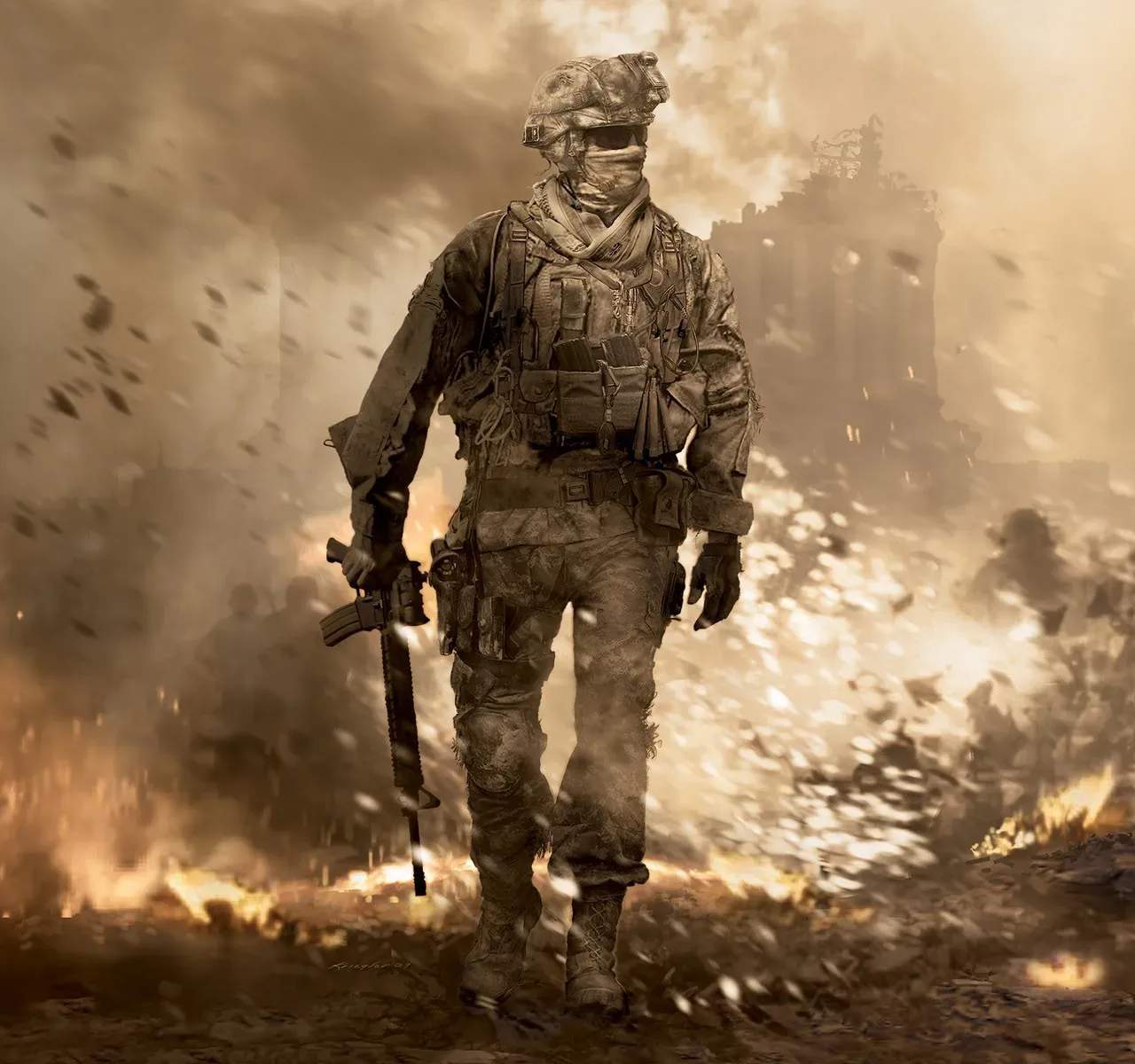
DMZ Gear & Inventory Management
Effective gear and inventory management are paramount to success and survival in DMZ. Unlike traditional multiplayer modes, every item you extract has value, and what you bring in can significantly impact your mission completion rates. This detailed guide will walk you through optimizing your loadout and managing your backpack space.
Pre-Deployment Loadout Optimization
Before even stepping foot into Al Mazrah, Building 21, or Ashika Island, your loadout choices dictate your initial advantage. Consider your mission objectives and squad composition.
- Primary Weapon: Choose a weapon that excels at your intended engagement range. For long-range engagements and AI sniping, the Victus XMR or SP-X 80 are excellent choices. For close-quarters combat within POIs like the Barge or Strongholds, an SMG like the Fennec 45 or an Assault Rifle such as the TAQ-56 is recommended.
- Secondary Weapon: A reliable secondary can save your life. The X13 Auto is a strong pistol for quick swaps, while a launcher like the JOKR can be invaluable for destroying enemy vehicles or clearing heavily fortified positions. Don't forget the utility of the .50 GS for high-damage close-range encounters.
- Lethal & Tactical Equipment:
- Lethal: Frag Grenades are versatile for flushing out enemies or dealing damage. Semtex offers quick deployment and sticks to surfaces. For specific objectives, Drill Charges can clear rooms through walls.
- Tactical: Smoke Grenades provide cover for revives or repositioning. Stun Grenades disorient enemies, making them easy targets. Heartbeat Sensors are crucial for detecting nearby threats in urban environments.
- Field Upgrade: The Munitions Box is almost always a good choice for resupplying ammo and equipment. The Dead Silence field upgrade is excellent for stealthy approaches to high-value targets or exfils.
In-Raid Inventory Management
Your backpack is your lifeline in DMZ. Knowing what to keep, what to drop, and what to prioritize for extraction is key.
Backpack Tiers & Expansion
Initially, you'll start with a small backpack. Prioritize finding larger backpacks early in your deployment:
- Small Backpack: 5 inventory slots.
- Medium Backpack: 7 inventory slots. Often found in supply crates, lockers, or dropped by higher-tier AI.
- Large Backpack: 9 inventory slots. These are rarer, typically found in Strongholds, high-value loot caches, or dropped by HVT (High-Value Target) AI.
Strategy: Always upgrade your backpack as soon as possible. More space means more valuable loot to extract or more essential items to carry.
Key Item Prioritization
Not all loot is created equal. Focus on these categories:
- Mission Items: These are non-negotiable. If a mission requires a specific item (e.g., Documents from the Barge, Hard Drives from a Stronghold), ensure you have space for them.
- Plate Carriers:
- 2-Plate Carrier: Standard, provides two armor plates.
- 3-Plate Carrier: Highly sought after, provides three armor plates. Prioritize equipping this immediately if found.
- Comms Vest: A specialized 3-plate carrier that highlights nearby enemies and provides an audio cue when an enemy is close. Excellent for situational awareness.
- Medic Vest: Another specialized 3-plate carrier that allows faster revives and self-revives. Crucial for squad longevity.
- Stealth Vest: A specialized 3-plate carrier that makes you undetectable by UAVs. Ideal for flanking or avoiding enemy players.
Strategy: Always aim for a 3-plate carrier. If you find a specialized vest, consider its utility for your current mission and playstyle.
- Self-Revive Kits: Essential for solo players and highly recommended for squads. Always carry at least one.
- Armor Plates: You can carry a maximum of 8 armor plates in your inventory (beyond what's in your plate carrier). Always keep your plate count topped off.
- Cash: Used for buying items at Buy Stations, including UAVs, armor plates, and self-revive kits. Extracting cash contributes to your overall progression. Prioritize high-value cash stacks.
- Contraband Weapons: Weapons with attachments are valuable for future deployments or selling at Buy Stations. Be selective; don't hoard low-tier weapons.
- Valuables: Items like Gold Bars, Watches, Laptops, and USB Drives are purely for selling at Buy Stations or extracting for cash. Prioritize these over common items.
- Keys: Keys to locked rooms or caches can lead to high-tier loot. Always pick up keys you find, especially if they correspond to known high-value locations.
Looting Strategies
- Clear Areas Methodically: Don't just rush through buildings. Check every room, locker, and container. AI often drops valuable items.
- Strongholds & POIs: These locations are high-risk, high-reward. They often contain better weapons, armor, and mission-specific items. Clear them carefully.
- Supply Drops: Keep an eye out for supply drops. They frequently contain high-tier weapons, armor, and cash.
- Enemy Players: Eliminating other operators is a direct way to acquire their gear, often including fully kitted weapons and 3-plate carriers.
When to Drop Items
Don't be afraid to drop items to make space for more valuable loot or mission items. If you have a full backpack of common items and find a Gold Bar, drop a few stacks of cash or a low-tier weapon to make room. Your objective and survival take precedence over hoarding.