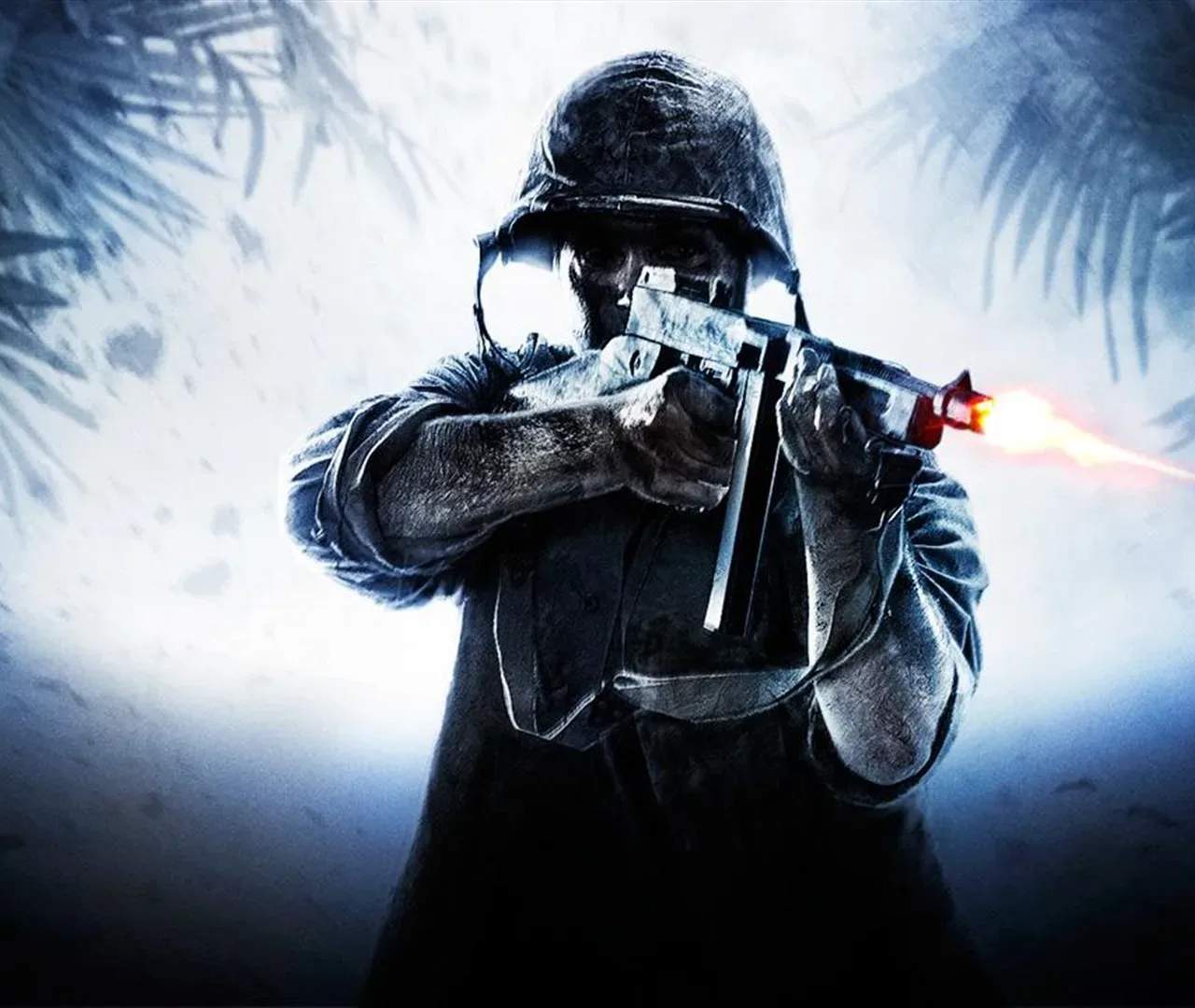
Story & Lore
Welcome, veteran and recruit alike, to the comprehensive guide on the rich narrative and intricate lore of Call of Duty: World at War. This section will delve deep into the game's compelling storyline, exploring its historical context, character motivations, and the brutal realities of World War II as depicted through the eyes of its soldiers. We will analyze the overarching themes of vengeance, survival, and the psychological toll of war across both the Pacific and Eastern Fronts, providing a foundational understanding of the game's narrative backbone.
The Global Conflict: Setting the Stage for World at War
Call of Duty: World at War plunges players into the latter, most brutal years of World War II, specifically focusing on two of the war's most savage theaters: the Pacific Front and the Eastern Front. Unlike previous Call of Duty titles that often presented a more sanitized view of combat, World at War embraces the grim, often horrific nature of these conflicts, showcasing the desperation, fanaticism, and sheer brutality that defined them. The game's narrative is not just about victory; it's about survival, vengeance, and the dehumanizing effects of prolonged warfare.
Historical Context and Thematic Pillars
- Pacific Theater (1942-1945): The game primarily focuses on the island-hopping campaigns against the Imperial Japanese Army. This front was characterized by intense jungle warfare, fanatical resistance (including Banzai charges and Kamikaze attacks), and a profound cultural clash. The game highlights the extreme conditions, the psychological strain on soldiers, and the "no quarter given" mentality that often developed on both sides.
- Eastern Front (1942-1945): This theater depicts the brutal struggle between the Soviet Red Army and Nazi Germany, particularly from the Battle of Stalingrad to the Fall of Berlin. It was the largest and deadliest theater of war in history, marked by scorched-earth tactics, immense casualties, and a deep-seated desire for vengeance among the Soviet populace and military following the atrocities committed by the invading German forces.
- Overarching Themes:
- Vengeance: A central motivator for both protagonist Dimitri Petrenko on the Eastern Front and, to a lesser extent, the American Marines in the Pacific. The game portrays the cycle of violence and the personal cost of seeking retribution.
- Brutality and Desperation: World at War does not shy away from depicting the visceral realities of war, including executions, torture, and the sheer savagery of close-quarters combat. This is particularly evident in the depiction of Japanese resistance and Soviet determination.
- Comradeship and Sacrifice: Amidst the horror, the bonds formed between soldiers are a recurring theme. Characters like Sergeant Roebuck and Sergeant Reznov serve as anchors for their respective protagonists, embodying leadership and the spirit of fighting for one's fellow man.
- Dehumanization of the Enemy: The game explores how both sides often viewed their adversaries, contributing to the extreme violence. The Japanese are frequently depicted as fanatical and merciless, while the Germans are portrayed as brutal occupiers.
The Pacific Theater: The Marine Raider Saga
The Pacific campaign in Call of Duty: World at War follows the harrowing experiences of Private C. Miller, a U.S. Marine, from the initial brutal encounters on Makin Atoll to the climactic assault on Okinawa. His journey is one of survival, fighting alongside a dedicated squad against a relentless and often unseen enemy in unforgiving environments.
Key Characters and Their Roles
- Private C. Miller: You character for the Pacific campaign. Miller begins as a captured and tortured Marine, his early experiences immediately establishing the brutal nature of the conflict. He is a silent protagonist, serving as the player's eyes and ears through the escalating horrors of the Pacific.
- Sergeant Tom Sullivan: A seasoned Marine NCO who serves as Miller's initial squad leader. He is a pragmatic and experienced leader, guiding Miller through the early missions until his tragic death.
- Corporal Roebuck (later Sergeant): Initially a corporal in Sullivan's squad, Roebuck quickly rises through the ranks due to his leadership and combat prowess. He becomes Miller's primary squad leader and a constant presence, embodying the Marine Corps' fighting spirit. His character arc highlights the increasing burden of command and the personal cost of war.
- Private Polonsky: A fellow Marine in Miller's squad, Polonsky provides a more grounded, sometimes cynical, perspective on the conflict. He represents the common soldier, weary but determined.
- The Imperial Japanese Army: Portrayed as a fanatical and unyielding force, often employing Banzai charges, hidden trenches, and booby traps. Their "fight to the last man" philosophy significantly shapes the gameplay and narrative tone of the Pacific missions.
Narrative Arc and Significant Missions (Pacific)
Miller's story is a progression through some of the most iconic and brutal battles of the Pacific Theater:
- Semper Fi: Introduces Miller's capture and the immediate, visceral need for survival. It sets the tone for the Japanese enemy's brutality and the Marines' desperate fight for freedom.
- Little Resistance & Hard Landing: Depict the amphibious assaults and initial pushes inland on Peleliu, showcasing the challenges of beach landings, fortified positions, and jungle warfare.
- Burn 'Em Out & Relentless: Focus on the use of flamethrowers to clear Japanese bunkers and the relentless nature of the fighting, often against hidden enemies and suicidal charges. These missions emphasize the close-quarters, often terrifying, nature of jungle combat.
- Blood and Iron: A unique mission where Miller mans a Sherman tank, highlighting the combined arms tactics used by the Marines and the destructive power required to overcome Japanese defenses.
- Ring of Steel & Breaking Point: Culminate in the brutal battle for Okinawa, particularly the assault on Shuri Castle. These missions represent the peak of Japanese resistance and the immense casualties sustained by both sides. The narrative here emphasizes the sheer attrition and the psychological toll on the surviving Marines, leading to a poignant climax for Roebuck and Miller.
The Eastern Front: The Red Army's Vengeance
The Eastern Front campaign follows Private Dimitri Petrenko, a survivor of the Battle of Stalingrad, as he embarks on a brutal and vengeful journey with Sergeant Viktor Reznov, from the ruins of Stalingrad to the final assault on the Reichstag in Berlin. This narrative is steeped in the Soviet Union's desire for retribution against Nazi Germany, portraying a war of immense scale, suffering, and unyielding determination.
Key Characters and Their Roles
- Private Dimitri Petrenko: You character for the Eastern Front campaign. Dimitri is introduced as a survivor of the Stalingrad massacre, witnessing firsthand the atrocities committed by the Germans. His journey is one of personal vengeance, guided by Reznov, as he becomes a symbol of Soviet resolve.
- Sergeant Viktor Reznov: The charismatic and vengeful Soviet NCO who becomes Dimitri's mentor and comrade-in-arms. Reznov is a central figure, narrating much of the Eastern Front campaign and driving the plot with his unwavering desire to reach Berlin and avenge his fallen countrymen. His speeches and actions embody the spirit of Soviet resistance and retribution.
- Private Chernov: A younger, more idealistic Soviet soldier who serves as a foil to Reznov's hardened cynicism. Chernov keeps a diary, offering a more introspective and often horrified perspective on the war's brutality, questioning the cost of vengeance. His character arc highlights the moral dilemmas faced by soldiers in such a conflict.
- The Wehrmacht and Waffen-SS: Portrayed as the brutal occupiers of Soviet territory, responsible for widespread atrocities. The game depicts their formidable defenses, including machine gun nests, Panzers, and fanatical last stands, particularly in the defense of Berlin.
Narrative Arc and Significant Missions (Eastern Front)
Dimitri's story is a relentless march westward, fueled by vengeance and the collective will of the Red Army:
- Vendetta: Begins with Dimitri's survival in Stalingrad and his first mission with Reznov: the assassination of General Amsel. This mission establishes the personal nature of their quest for vengeance and introduces the stealth and precision elements of sniper warfare.
- Their Land, Their Blood & Burn 'Em Up!: Depict the Red Army's advance through German farmlands and towns. These missions showcase large-scale assaults, tank battles, and the use of flamethrowers to clear entrenched German positions, emphasizing the destructive power of the Soviet offensive.
- Project Nova (Flashback): This mission is a crucial flashback that reveals the origins of Reznov's deep-seated hatred for the Germans, specifically focusing on a chemical weapons facility. It provides context for his unwavering drive and connects to later Call of Duty lore.
- Eviction & Blowtorch & Inferno: Focus on the brutal urban warfare within German cities, leading up to Berlin. These missions are characterized by intense close-quarters combat, house-to-house fighting, and the desperate resistance of the German forces. Chernov's increasing disillusionment and eventual fate are central to this part of the narrative.
- Downfall & Heart of the Reich: Culminate in the final, bloody assault on Berlin and the Reichstag. These missions are the emotional and narrative climax of the Eastern Front campaign, as Dimitri, Reznov, and the Red Army fight their way through the last vestiges of Nazi resistance. The planting of the Soviet flag atop the Reichstag symbolizes the ultimate victory and the fulfillment of Reznov's quest for vengeance, though at immense cost.
Thematic Analysis and Legacy
Call of Duty: World at War stands out in the series for its unflinching portrayal of World War II. It moved beyond the heroic narratives of earlier titles to explore the darker, more brutal aspects of the conflict. The game's emphasis on vengeance, particularly through Reznov's character, raises questions about the morality of war and the cycle of violence it perpetuates.
Key Narrative Contributions:
- Gritty Realism: The game's visual and auditory design, combined with its narrative choices, created a sense of visceral realism that was groundbreaking for the series at the time.
- Character Development: While the protagonists are largely silent, the supporting characters like Reznov, Roebuck, and Chernov provide significant emotional depth and drive the narrative forward, exploring themes of leadership, sacrifice, and the psychological impact of war.
- Prequel to Black Ops: The character of Viktor Reznov and the "Project Nova" mission serve as a direct narrative precursor to Call of Duty: Black Ops, establishing a foundational piece of lore for the subsequent Cold War-era storyline. This connection deepens the understanding of Reznov's character and the broader Call of Duty universe.
- Exploration of Fanaticism: The game effectively portrays the fanaticism of both the Imperial Japanese Army and, to a lesser extent, the desperate last stands of the Waffen-SS, offering insight into the psychological dimensions of total war.
In conclusion, Call of Duty: World at War's story and lore offer a powerful and often disturbing look at the final years of World War II. Through the intertwined narratives of Private Miller and Private Petrenko, the game explores the depths of human endurance, the costs of vengeance, and the enduring bonds forged in the crucible of combat. It remains a significant entry in the Call of Duty franchise, not just for its gameplay, but for its bold and uncompromising narrative.
Compare story & lore inCall of Duty: Black Ops 7