Branching Paths Explained
Castlevania III: Dracula's Curse features a groundbreaking branching path system that sificantly impacts the game's progression, difficulty, and ultimately, its ending. Unlike previous titles, your journey through Wallachia is not linear. At several points, you will be presented with choices that lead you down entirely different routes, each with its own unique stages, enemies, and challenges.
These branching points are typically presented after boss battles or at specific junctures within a stage. For example, after completing Stage 2, you might be given the option to take a ferry across a lake or to enter a cave system. Each choice leads to a distinct set of levels. The ferry route might lead to more open areas with flying enemies, while the cave route could involve tight corridors and subterranean creatures.
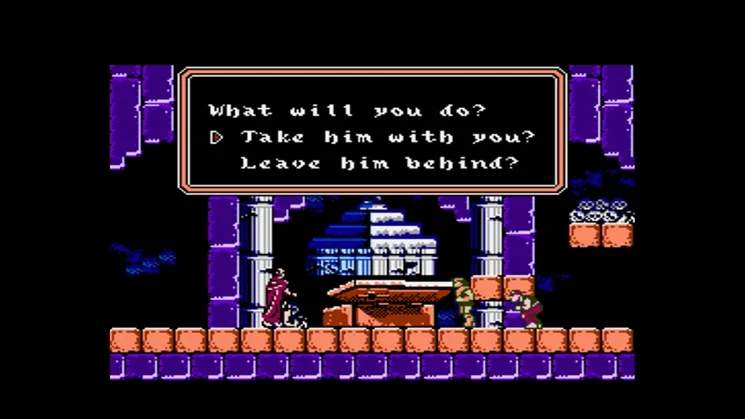
The decision to take certain paths is often influenced by the allies you have recruited. For instance, Grant Danasty's ability to traverse certain obstacles might open up routes that are otherwise inaccessible. Similarly, Sypha Belnades' magical prowess might be more effective against specific enemy types encountered on one path over another.
These branching paths are not merely cosmetic; they directly affect the game's difficulty. Some routes are considerably more challenging than others, featuring tougher enemies, more complex platforming sections, and fewer opportunities to find power-ups. Successfully navigating these harder paths often yields greater rewards and is essential for reaching the game's true ending.
The game's narrative also unfolds differently depending on the path taken. While the ultimate goal remains the defeat of Dracula, the specific events and encounters you experience will vary. Paying close attention to the dialogue and the environments will reveal subtle differences in the story's progression. Mastering these branching paths is crucial for any player seeking to fully experience and conquer Dracula's Curse.