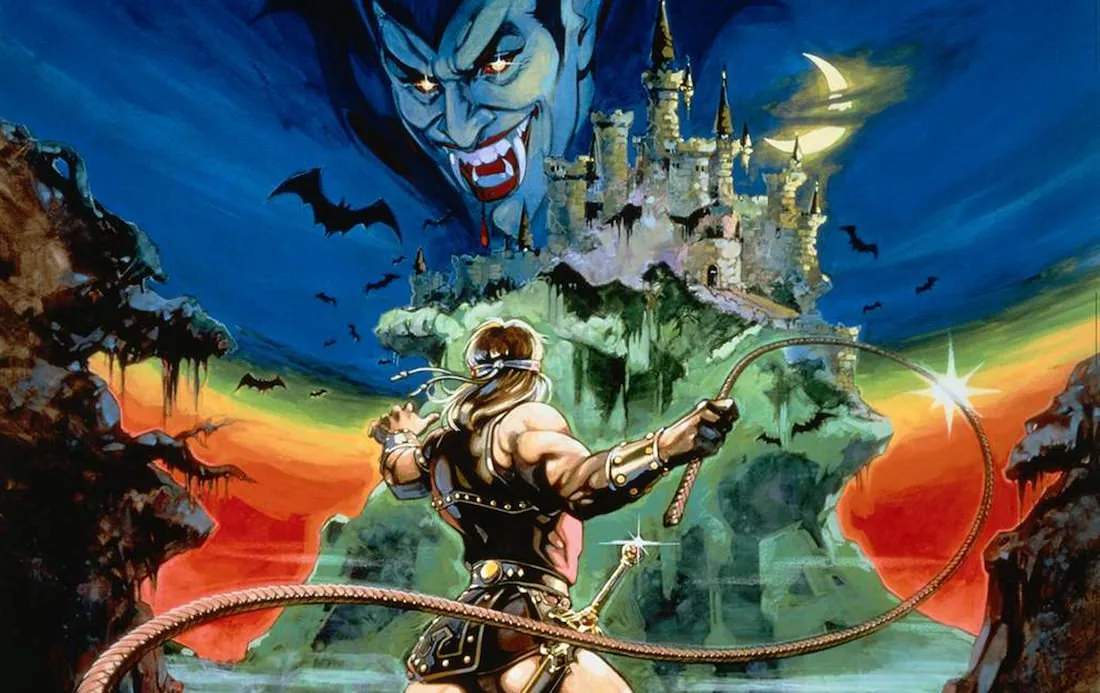
Enemies by Stage (Classicvania Series)
This section provides a detailed breakdown of common enemies encountered in the early stages of the classic Castlevania platformer series, with a particular focus on the original NES title's progression and enemy types. While specific item locations and stage layouts vary significantly across different games and platforms (e.g., NES, SNES, Game Boy, PlayStation 1's Symphony of the Night, etc.), the enemy archetypes and general strategies often remain consistent. This guide aims to equip you with foundational knowledge applicable to many entries in the 2D platforming lineage.
Stage 1: Castle Entrance & Outskirts (NES Castlevania Example)
Your journey often begins outside or just within Dracula's ominous castle. This introductory stage typically features basic enemy types designed to familiarize players with core combat mechanics and platforming challenges. The following details are most accurate for the original Castlevania on NES but represent common early-game encounters.
Enemy Encounters & Strategies:
- Zombies:
- Description: The most basic undead foe, shambling slowly across the ground. They pose little threat individually but can overwhelm in groups or push you into hazards.
- Strategy: Two whip strikes will dispatch them. Due to their slow speed, you can often jump over them to conserve time and health, especially if you're low.
- Common Locations: First enemies encountered, often in open areas or leading up to the castle gates.
- Item Drops: Frequently drop Small Hearts (1 heart) or occasionally Large Hearts (5 hearts) for sub-weapon use.
- Panthers (Black Leopards):
- Description: Agile felines that leap towards Simon from ledges or the ground, often in a set pattern. They are faster and more aggressive than Zombies.
- Strategy: Anticipate their jump. A well-timed whip strike as they land or are in mid-air is effective. If you have the Axe sub-weapon, a single throw can often take them out before they get close.
- Common Locations: Crumbling bridge sections, castle courtyards, and elevated pathways.
- Item Drops: May drop Small Hearts.
- Vultures (Bats/Eagles):
- Description: Flying creatures that swoop down from above in an arc. While not particularly tough, their aerial movement can be tricky to hit and they can knock Simon into pits.
- Strategy: Wait for them to descend to your level before striking with your whip. The Dagger sub-weapon can be useful for hitting them at a distance without risking close combat.
- Common Locations: Open-air sections, over gaps, or near castle battlements.
- Item Drops: Often drop Small Hearts.
- Bone Towers (Bone Pillars):
- Description: Stationary piles of bones that periodically shoot fireballs. They are often placed in strategic locations to guard pathways or create choke points.
- Strategy: Prioritize destroying these. Three whip strikes will usually do the trick. If you have the Cross sub-weapon, it can clear the projectiles and damage the tower simultaneously. Be mindful of their firing rhythm to avoid projectiles.
- Common Locations: Guarding key pathways, staircases, or narrow corridors.
- Item Drops: Can drop Small Hearts or Money Bags.
Notable Items & Power-ups (NES Castlevania Example):
- Leather Whip Upgrade:
- Location: Often found early in Stage 1. In the NES game, after defeating the first few Zombies and Panthers, look for a hidden block (often a specific brick in the wall or floor) containing a Whip Upgrade. Strike the block from below or with your whip to reveal it.
- Effect: Increases your whip's length and damage, essential for effective combat. A second upgrade (Chain Whip) is usually found later.
- Dagger (Sub-weapon):
- Location: Frequently found early on by destroying candles or hidden blocks.
- Effect: A fast, straight-flying projectile. Useful for enemies at a distance or those you don't want to get close to, like Vultures or Medusa Heads. Costs 1 Heart per use.
- Axe (Sub-weapon):
- Location: Often found after the first few screens, typically from candles.
- Effect: A powerful sub-weapon that arcs upwards. Excellent for hitting enemies on higher platforms, those that jump (like Panthers), or bosses with high hitboxes. Costs 1 Heart per use.
Stage 2: The Dungeon & Catacombs (NES Castlevania Example)
Delving deeper into the castle often leads to subterranean areas like dungeons and catacombs. These stages introduce more resilient enemies, environmental hazards (like water and spikes), and more complex platforming challenges. The following details are most accurate for the original Castlevania on NES.
Enemy Encounters & Strategies:
- Mermen (Fishmen):
- Description: Amphibious creatures that emerge from water (or sometimes appear on land) and spit fireballs. They are a significant threat due to their ranged attack and often appear in areas with limited maneuvering space.
- Strategy: Stand at a safe distance and whip them as they surface. Their fireballs can be tricky to dodge, so try to eliminate them quickly. The Boomerang (Cross) sub-weapon is incredibly effective here, as it can hit them multiple times on its return path.
- Common Locations: Predominantly found in the flooded sections of the dungeon or near underground rivers.
- Item Drops: May drop Small Hearts.
- Fleamen (Hunchbacks):
- Description: Small, agile creatures that jump erratically and quickly. Their unpredictable movements make them frustrating to hit and they can easily knock Simon into pits or other hazards.
- Strategy: Try to hit them as they land or at the peak of their jump when their trajectory is momentarily predictable. The Holy Water sub-weapon can stun them and create a damaging flame pillar, making them easier targets.
- Common Locations: Narrow corridors, staircases, and areas with many platforms.
- Item Drops: May drop Small Hearts or Money Bags.
- Medusa Heads (Small):
- Description: These iconic flying heads move in a distinctive sine wave pattern across the screen. While individually weak, they often appear in groups over gaps or dangerous terrain, and their constant movement can be highly disruptive.
- Strategy: Timing is key. Whip them as they approach the lowest point of their arc, or when they are at your whip's height. Be extremely careful not to get knocked into pits or off ledges. The Dagger can be useful for picking them off from a distance, or the Boomerang for clearing multiple.
- Common Locations: Often appear in groups over gaps, staircases, or in boss arenas.
- Item Drops: Can drop Small Hearts.
- Skeletons:
- Description: Reanimated skeletons that walk and sometimes throw bones. They are more durable than Zombies and their projectiles add a ranged threat.
- Strategy: Approach cautiously. Two to three whip strikes are usually needed. Dodge their thrown bones by jumping or ducking. The Axe can be effective for hitting them over obstacles or before they throw.
- Common Locations: Catacombs, crypts, and later dungeon areas.
- Item Drops: May drop Small Hearts or Money Bags.
Notable Items & Power-ups (NES Castlevania Example):
- Holy Water (Sub-weapon):
- Location: Often found in candles or hidden blocks within the dungeon stages.
- Effect: Throws a vial that shatters on the ground, creating a pillar of flame. This flame damages enemies that pass through it and can stun certain foes (like Fleamen). Excellent for controlling space, dealing with ground-based enemies, or hitting enemies as they emerge (e.g., Mermen). Costs 1 Heart per use.
- Boomerang / Cross (Sub-weapon):
- Location: A powerful sub-weapon often found in the latter half of Stage 2 or early Stage 3.
- Effect: Flies forward a set distance, damaging enemies, and then returns to Simon, damaging enemies again on its return path. It hits enemies on both passes, making it incredibly efficient for clearing multiple foes or dealing heavy damage to bosses. Costs 1 Heart per use.
- Double Shot (Power-up):
- Location: A rare power-up found in candles or hidden blocks, usually in later parts of stages.
- Effect: Allows Simon to throw two sub-weapons at once (e.g., two Daggers, two Holy Waters). This dramatically increases your offensive capabilities and is highly sought after for boss fights. The effect is temporary or lasts until you lose a life, depending on the specific game.