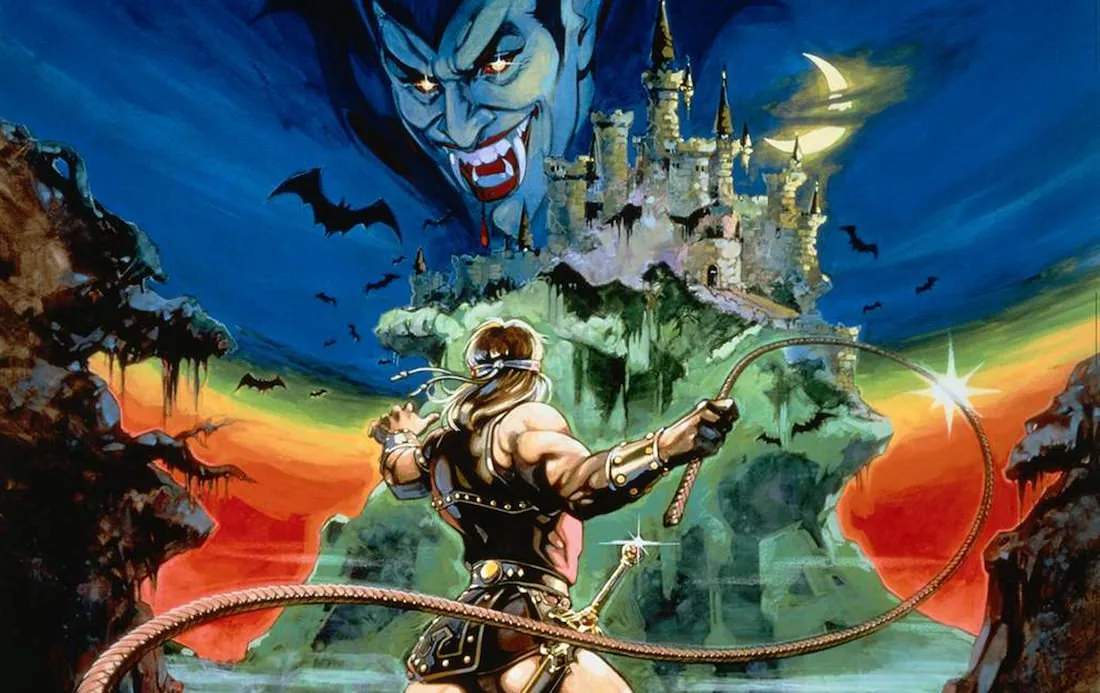
Damage Calculation & Mechanics
In the classic Castlevania platformers, particularly those featuring Simon Belmont and his iconic whip, damage calculation operates on a more straightforward, arcade-style system compared to the RPG-influenced titles. There are no complex character stats like Strength or Intelligence for Simon, nor are there critical hits, elemental weaknesses, or vast inventories of armor and accessories that modify damage numbers. Instead, damage is primarily determined by your weapon's upgrade level, the specific sub-weapon used, and the enemy's inherent defense value. Understanding these core mechanics is vital for mastering the challenging gauntlet that is Dracula's Castle.
Player Damage Output: The Vampire Killer & Sub-Weapons
Simon's primary weapon, the legendary Vampire Killer whip, is his most reliable tool for dispatching the creatures of the night. Its damage output is fixed and directly tied to its upgrade level. Sub-weapons offer tactical variety and often deal specialized damage.
The Vampire Killer Whip
The Vampire Killer's power scales through upgrades found within the castle. Each upgrade permanently increases its damage output against all enemies. There are typically three stages of whip power:
- Leather Whip (Base): Simon starts with this basic whip. It has the shortest range and lowest damage.
- Chain Whip (Upgrade 1): Found by destroying specific candles or blocks. This upgrade extends the whip's range and significantly increases its damage. This is often represented visually by the whip gaining a chain link.
- Morning Star (Upgrade 2): The final whip upgrade, often found later in the game. This further extends the whip's range and provides the highest damage output. Visually, the whip typically gains a spiked ball at its tip.
Damage Progression Example (Castlevania NES):
| Whip Type | Damage Multiplier (vs. Base) | Notes |
|---|---|---|
| Leather Whip | 1x | Simon's starting weapon. |
| Chain Whip | 2x | First upgrade, significantly improves combat. |
| Morning Star | 3x | Final upgrade, essential for later bosses. |
Note: Specific damage values can vary slightly between Castlevania titles (e.g., Castlevania III: Dracula's Curse might have different base values), but the progression model remains consistent.
Sub-Weapons
Sub-weapons are powerful, single-use items that consume Hearts, the game's secondary currency. Each sub-weapon has a fixed damage value, often higher than the base whip, and unique properties.
- Axe (Heart Cost: 1): Thrown in an arc, the Axe is excellent for hitting enemies above Simon or those with high vertical hitboxes. Its damage is generally moderate but consistent.
- Holy Water (Heart Cost: 1): Thrown in a short arc, it shatters on the ground, creating a pillar of flame that damages enemies multiple times within its duration. Highly effective against ground-based enemies and bosses with vulnerable points on the floor (e.g., Dracula's first form in Castlevania NES). Its multi-hit nature can lead to very high total damage.
- Cross/Boomerang (Heart Cost: 1): Thrown forward, it travels a set distance, then returns to Simon. It can hit enemies on both its outward and inward journey, effectively dealing double damage if positioned correctly. Excellent for clearing paths and damaging bosses.
- Dagger (Heart Cost: 1): Thrown in a straight line, the Dagger is a fast, low-damage projectile. While individually weak, its rapid-fire nature (especially with a Double or Triple Shot power-up) can make it surprisingly effective against certain enemies.
- Stopwatch (Heart Cost: 5): Does no direct damage but freezes all on-screen non-boss enemies for a short duration. Incredibly useful for bypassing difficult sections or setting up free hits on bosses. While not dealing damage itself, it indirectly prevents damage to Simon and allows for safe offensive opportunities.
Sub-Weapon Damage Considerations:
- Fixed Damage: Sub-weapons deal a set amount of damage, independent of your whip's upgrade level.
- Heart Management: Their effectiveness is limited by your Heart count. Strategic use is key.
- Power-Ups: The "Double Shot" and "Triple Shot" power-ups (often represented by a Roman numeral II or III) allow Simon to throw two or three sub-weapons simultaneously for the cost of one, dramatically increasing their damage potential. This is especially potent with the Dagger or Cross.
Enemy Damage Taken: Defense & Invincibility Frames
Enemies in Castlevania have inherent defense values that reduce the damage they take. More importantly, they possess invincibility frames (I-frames) after being hit, which dictates how quickly they can be damaged again.
Enemy Defense Values
Every enemy and boss has a hidden defense stat. When Simon's whip or a sub-weapon hits an enemy, the enemy's defense value is subtracted from the attack's base damage. This means:
- Weak Enemies: Skeletons, Zombies, and Bats often have very low defense, taking full or near-full damage from even the Leather Whip.
- Stronger Enemies: Knights, Mermen, and larger creatures have higher defense, requiring multiple hits or a stronger whip/sub-weapon to defeat efficiently.
- Bosses: Bosses typically have the highest defense values, making them damage sponges that require sustained attacks.
Example: If a Chain Whip deals 2 damage and an enemy has 1 defense, it will take 1 damage per hit. If the Leather Whip deals 1 damage, it would deal 0 damage to that same enemy, making it effectively invincible to the weaker whip.
Invincibility Frames (I-frames)
After an enemy takes damage, it enters a brief period of invincibility, during which it cannot be damaged again. This is visually indicated by the enemy flashing. The duration of these I-frames varies by enemy and game, but it's a crucial mechanic:
- Prevents Instant Kills: Even with powerful attacks, I-frames prevent enemies from being instantly defeated by multi-hit attacks (like the Holy Water's flame or the Cross's return trip) or rapid-fire sub-weapons.
- Pacing Combat: I-frames force players to time their attacks and understand that simply mashing the attack button isn't always the most efficient strategy.
- Sub-Weapon Synergy: While I-frames limit rapid damage, sub-weapons like the Holy Water can still be highly effective by hitting an enemy multiple times within its active duration, as long as the I-frame duration is shorter than the attack's active time or the attack has multiple distinct hitboxes.
Player Damage Taken: Health, Defense, & Invincibility
Simon's survival depends on managing his health, understanding enemy attack patterns, and utilizing his own brief invincibility periods.
Simon's Health (HP)
Simon's health is represented by a life bar or a numerical value. There are no defense stats for Simon in classic Castlevania; all incoming damage is a fixed amount per hit from a specific enemy or environmental hazard.
- Fixed Damage: Each enemy attack deals a predetermined amount of damage. A Zombie hit might deal 1 HP, while a Medusa Head might deal 2 HP, and a boss attack significantly more.
- Health Pick-ups: Health can be restored by collecting small hearts (often dropped by candles or enemies) or larger heart pick-ups (often found in hidden blocks).
- Max HP Upgrades: Some games (e.g., Castlevania III) feature items that permanently increase Simon's maximum HP, providing a greater buffer against damage.
Player Invincibility Frames (I-frames)
Just like enemies, Simon gains a brief period of invincibility after taking damage. This is crucial for preventing "damage stacking" where multiple hits from the same enemy or multiple enemies could instantly kill him.
- Visual Cue: Simon will flash rapidly after being hit, indicating his temporary invulnerability.
- Strategic Repositioning: Use these I-frames to move Simon out of harm's way, especially if he's knocked back into another enemy or a dangerous environmental hazard.
- Knockback: Taking damage often results in significant knockback, which can be both a blessing (pushing Simon away from danger) and a curse (knocking him into pits or other enemies). Mastering knockback control is a key skill.
Strategic Application & Mastery
Effective damage management in classic Castlevania isn't about numbers, but about timing, positioning, and resource allocation.
- Whip Upgrade Priority: Always prioritize finding whip upgrades. The Chain Whip and Morning Star are game-changers, making combat significantly easier and often necessary to defeat later bosses within the time limit.
- Sub-Weapon Specialization:
- Holy Water: Excellent for ground-based enemies, especially those that spawn in groups or bosses with low hitboxes (e.g., Dracula's first form). Throw it just before an enemy reaches you or on a boss's vulnerable spot.
- Cross: Ideal for enemies that fly in predictable patterns or for bosses that move horizontally. The double-hit potential makes it highly efficient.
- Axe: Perfect for enemies above Simon (e.g., Flea Men on ledges, Medusa Heads) or bosses with high weak points.
- Dagger: Best when combined with Double/Triple Shot power-ups for rapid, sustained damage against large, slow-moving targets.
- Stopwatch: A defensive tool. Use it to bypass difficult enemy formations or to get free hits on bosses without fear of retaliation. Save it for truly desperate situations due to its high Heart cost.
- Heart Management: Hearts are a precious resource. Don't waste them on trivial enemies. Save them for challenging sections, mini-bosses, and especially main bosses. Learn which sub-weapon is most efficient for each encounter.
- Mastering Invincibility: Learn the duration of Simon's I-frames after taking damage. Sometimes, intentionally taking a minor hit can grant you temporary invulnerability to pass through a more dangerous obstacle or enemy without further damage.
- Enemy Patterns: The most critical aspect of damage mitigation is learning enemy attack patterns and movement. Most enemies have highly predictable behaviors. By understanding when and where they attack, you can avoid damage entirely.
- Environmental Hazards: Spikes, falling blocks, and bottomless pits are instant death or deal massive damage. These are often more dangerous than enemies themselves. Prioritize safe movement over aggressive offense in hazardous areas.
- Candle & Block Breaking: Always break every candle and suspicious block. This is how you find whip upgrades, sub-weapons, hearts, and crucial power-ups like Double/Triple Shot. Missing these can severely hinder your damage output and survival.
By focusing on whip upgrades, judicious sub-weapon use, and precise movement to avoid damage and exploit enemy I-frames, You can conquer even the most formidable challenges Dracula's Castle throws their way in these classic platforming adventures.