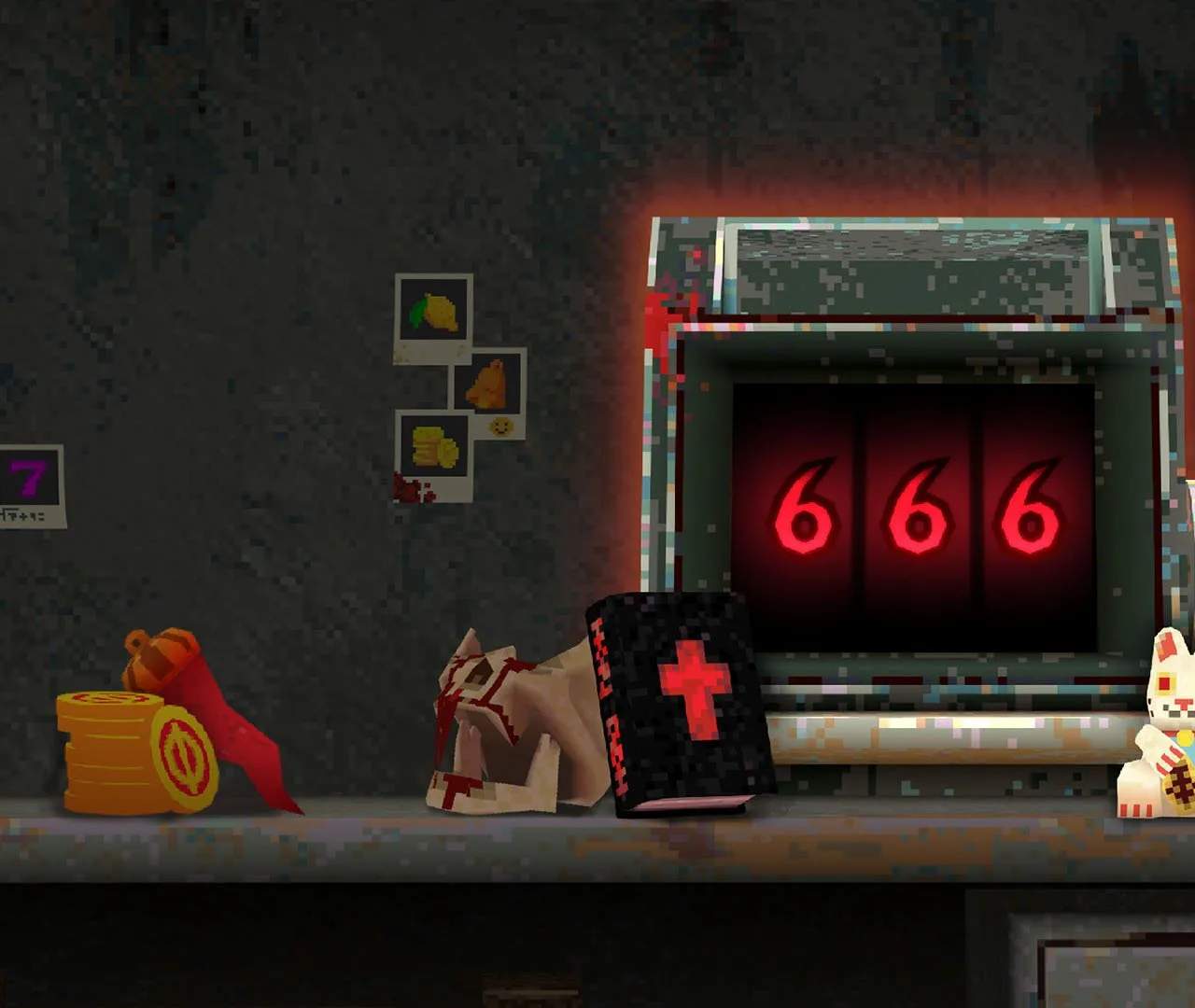
Crafting System — CloverPit Guide
The crafting system in CloverPit is a cornerstone of player progression, allowing you to transform raw materials gathered from the world into powerful weapons, essential armor, potent consumables, and valuable tools. Mastering this system is key to overcoming the game's toughest challenges and customizing your character's capabilities.
To engage with the crafting system, you'll typically need to find or craft a crafting station. These stations are often found in settlements, player housing, or specific workshops scattered throughout the game world. Once at a station, you can access the crafting interface, which displays available recipes and the ingredients you possess.
Key Components of the Crafting System:
- Gathering: The first step is acquiring raw materials. This involves mining ore veins, chopping down trees for wood, harvesting plants, hunting creatures for hides and meat, and collecting magical essences from defeated foes or specific nodes.
- Recipes: You won't know how to craft everything from the start. Recipes are learned through various means: purchasing them from vendors, finding recipe scrolls in chests or as loot, completing quests, or sometimes through experimentation.
- Crafting Stations: Different types of crafting require specific stations. For example:
- Forge: For weapons and heavy armor.
- Workbench: For light armor, bows, and tools.
- Alchemy Lab: For potions and elixirs.
- Enchanting Table: For adding magical properties to gear.
- Cooking Pot: For food and drink items.
- Materials Quality: The quality of the materials you use can directly impact the stats and effectiveness of the crafted item. Using rarer, higher-quality materials often results in superior gear.
- Crafting Skill/Level: As you craft more items, your proficiency in that specific crafting discipline (e.g., Blacksmithing, Alchemy) will increase. Higher skill levels unlock more advanced recipes and improve your chances of crafting higher-quality items.
Types of Craftable Items:
- Weapons: Swords, axes, bows, staves, and more, each with unique damage types and potential enchantments.
- Armor: Helmets, chest pieces, gloves, boots, and shields, offering various levels of physical and magical defense.
- Consumables: Potions for healing, mana restoration, stat buffs, and antidotes.
- Tools: Pickaxes for mining, axes for woodcutting, fishing rods, and lockpicks.
- Trinkets and Accessories: Rings, amulets, and other accessories that provide passive bonuses.
Tips for Effective Crafting:
- Gather Materials Consistently: Make it a habit to collect any resources you encounter while exploring.
- Prioritize Key Recipes: Focus on learning recipes that will benefit your current build or help you overcome upcoming challenges.
- Upgrade Your Crafting Skill: Regularly craft items, even if they are simple, to increase your skill level and unlock better recipes.
- Invest in Quality Materials: When crafting important gear, use the best materials available to ensure optimal performance.
- Check Vendor Inventories: Merchants often sell rare crafting materials or valuable recipes.
The crafting system in CloverPit is a deep and rewarding mechanic that empowers players to shape their own adventure and create the perfect gear for any situation.