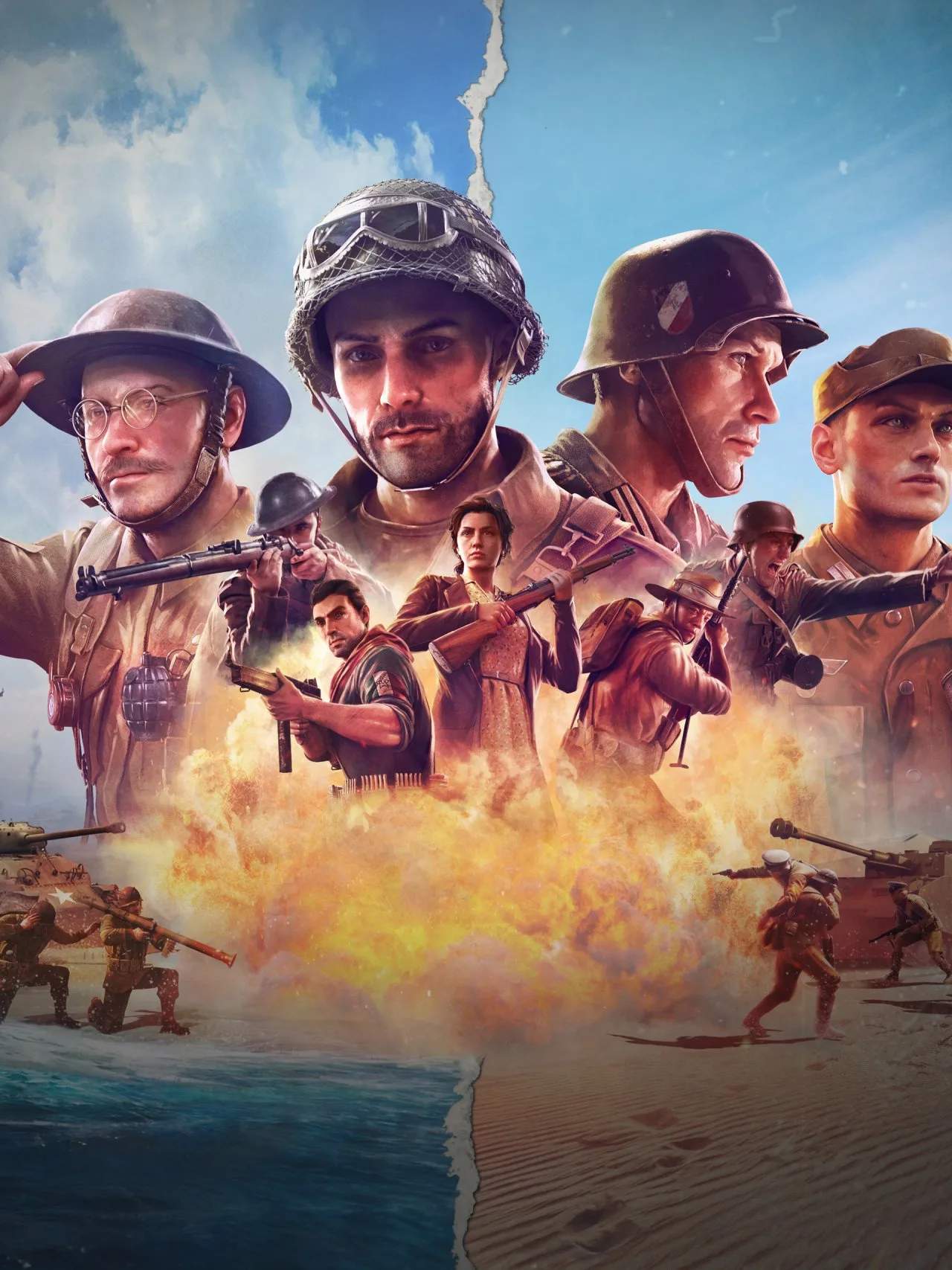
Dealing with Enemy Commanders & Abilities
In Company of Heroes 3, particularly within the dynamic and unpredictable Italian Dynamic Campaign, enemy commanders are more than just AI opponents; they are strategic entities with distinct Battlegroups and powerful abilities that can dramatically shift the tide of battle. Understanding and countering these commanders is paramount to your success. This section will guide you through identifying enemy commander types, anticipating their strategies, and implementing effective counter-measures.
Identifying Enemy Battlegroups Early
One of the most crucial aspects of dealing with enemy commanders is early identification of their chosen Battlegroup. This allows you to prepare your own force composition and strategy proactively. Here’s how to glean this vital information:
- Pre-Mission Intel: Before launching a mission in the Dynamic Campaign, always check the mission briefing and any available intel. Sometimes, the game will hint at the enemy's primary force composition or the presence of a specific commander type.
- Initial Engagements: Pay close attention to the very first enemy units you encounter.
- Heavy Armor: If you immediately face Panzer IVs, Tigers, or even early-game Pumas in significant numbers, it's a strong indicator of an Armored Battlegroup.
- Air Units: Early Stuka dive bombers, reconnaissance planes, or even consistent strafing runs suggest an Air Support Battlegroup.
- Elite Infantry: Encounters with Fallschirmjäger, Brandenburgers, or other specialized, high-tier infantry units point towards an Infantry-focused or Special Operations Battlegroup.
- Artillery/Support: If you're consistently shelled by Nebelwerfers or encounter numerous Pak 40 anti-tank guns defending positions, consider a Defensive or Support Battlegroup.
- Commander Abilities on the Map: Observe the strategic map in the Dynamic Campaign. Some commander abilities, like "Blitzkrieg" or "Air Superiority," might have visual indicators or affect territories in ways that betray their presence even before a direct engagement.
- Resource Expenditure: While harder to track, if the enemy seems to be rapidly deploying expensive units or abilities, it often aligns with their commander's strengths.
Common Enemy Commander Archetypes & Counter-Strategies
While specific commander names might vary, their Battlegroup archetypes remain consistent, each with a distinct playstyle and set of abilities. Here are some common types and how to tackle them:
1. Armored Commanders (e.g., "Panzer Elite," "Blitzkrieg Doctrine")
These commanders focus on overwhelming you with powerful tanks and armored vehicles, often supported by abilities that enhance vehicle performance or call in additional armor.
- Signature Abilities:
- Blitzkrieg: Grants temporary speed and damage bonuses to all vehicles, allowing for rapid breakthroughs.
- Tiger Ace/King Tiger Call-in: Deploys a powerful, often unique, heavy tank onto the field.
- Armored Assault: Calls in a wave of medium tanks from the map edge.
- Counter-Strategies:
- Anti-Tank Supremacy: Prioritize anti-tank guns (M1 AT Gun, Pak 40), tank destroyers (M10 Wolverine, Jagdpanzer), and anti-tank infantry (Bazooka squads, Panzerfausts).
- Minefields: Strategically placed anti-tank mines on common approach routes can cripple or destroy advancing armor, buying you precious time.
- Flanking & Ambush: Use terrain and cover to set up ambushes for their tanks. Tank destroyers are particularly effective when hitting enemy armor from the side or rear.
- Air Support (Your Own): If you have access, fighter-bombers (P-47 Thunderbolt) with anti-tank rockets can quickly eliminate even heavy armor.
- Target Weak Points: Focus fire on the engine compartments of tanks to immobilize them, making them easy targets for follow-up attacks.
- Common Pitfalls: Relying solely on infantry or light vehicles. Getting caught in open ground by a tank rush. Ignoring early-game anti-tank options.
2. Air Support Commanders (e.g., "Luftwaffe Ground Forces," "Air Superiority Doctrine")
These commanders leverage air power for reconnaissance, strafing runs, bombing, and even calling in airborne infantry. They can be incredibly disruptive and deadly if left unchecked.
- Signature Abilities:
- Stuka Dive Bomb: Calls in a Stuka to bomb a targeted area, devastating infantry and light vehicles.
- Strafing Run: Fighter planes sweep across a line, suppressing and damaging infantry.
- Fallschirmjäger Drop: Deploys elite airborne infantry behind your lines or onto contested points.
- Reconnaissance Overflight: Reveals a large portion of the map, denying you the element of surprise.
- Counter-Strategies:
- Dedicated Anti-Air: This is non-negotiable. Build Flakvierlings, M16 MGMC Half-tracks, or other dedicated AA units. Position them strategically to cover key areas.
- Spread Out Units: To mitigate the damage from area-of-effect air attacks (like Stuka bombs), avoid clumping your units together.
- Cover & Buildings: Infantry inside buildings or heavy cover are more resilient to strafing runs.
- Counter-Air (Your Own): If your Battlegroup has fighter planes, use them to intercept enemy air assets.
- Rapid Response to Drops: When Fallschirmjäger drop, immediately converge infantry and light vehicles to eliminate them before they can dig in or capture points.
- Common Pitfalls: Forgetting AA entirely. Leaving valuable units clumped together. Not reacting quickly enough to airborne infantry drops.
3. Infantry Commanders (e.g., "Wehrmacht Combined Arms," "Garrison Doctrine")
These commanders focus on fielding large numbers of highly effective infantry, often supported by abilities that enhance their combat prowess, provide defensive structures, or call in elite squads.
- Signature Abilities:
- Garrison Reinforcements: Rapidly reinforces infantry squads or calls in additional infantry.
- Fortifications: Allows for the construction of bunkers, barbed wire, and minefields at an accelerated rate.
- Elite Infantry Call-in: Deploys powerful infantry units like Brandenburgers or Stormtroopers.
- Infantry Assault: Grants temporary bonuses to infantry damage and suppression resistance.
- Counter-Strategies:
- Area-of-Effect (AoE) Weapons: Mortars, artillery (M1 Pack Howitzer, Wespe), and flamethrower units are devastating against massed infantry.
- Machine Guns: Heavy Machine Guns (HMGs) are excellent for suppressing and pinning down enemy infantry, allowing your other units to flank or advance.
- Light Vehicles: Armored Cars (M8 Greyhound, Puma) and Half-tracks with MGs can chew through infantry quickly.
- Flamethrower Tanks: Shermans with flamethrowers or Churchill Crocodiles are incredibly effective at clearing entrenched infantry from buildings and cover.
- Flanking & Encirclement: Use superior mobility to flank and encircle enemy infantry, cutting off their retreat and reinforcement paths.
- Common Pitfalls: Engaging elite infantry head-on without support. Allowing enemy infantry to entrench themselves in buildings. Not bringing enough AoE or suppression.
4. Support/Defensive Commanders (e.g., "Artillery Doctrine," "Fortification Expert")
These commanders emphasize long-range support, defensive structures, and often indirect fire. They aim to control the battlefield through attrition and denying access to key areas.
- Signature Abilities:
- Heavy Artillery Barrage: Calls in a powerful, long-range artillery strike on a targeted area.
- Off-Map Artillery: Similar to barrages, but often more precise or with different effects (e.g., smoke screens).
- Advanced Fortifications: Allows for stronger and more varied defensive structures, including heavy bunkers and advanced minefields.
- Pak 43 Call-in: Deploys a formidable heavy anti-tank gun.
- Counter-Strategies:
- Counter-Battery Fire: If you have your own artillery, use it to target enemy artillery positions. Observe the minimap for incoming fire to pinpoint their location.
- Scouting & Reconnaissance: Use scout vehicles, reconnaissance planes, or forward observers to spot enemy artillery and defensive positions.
- Flanking Maneuvers: Avoid direct assaults on heavily fortified positions. Instead, use flanking routes to bypass defenses and attack from unexpected angles.
- Smoke Screens: Use smoke grenades or smoke barrages to cover your advance against entrenched positions or to obscure your units from artillery fire.
- Demolition Charges: Engineer units with demolition charges are essential for clearing bunkers, wire, and other obstacles.
- Common Pitfalls: Repeatedly assaulting fortified positions head-on. Ignoring enemy artillery until it's too late. Not scouting ahead.
General Principles for Success
- Adaptability: Be prepared to change your unit composition and strategy on the fly. The Dynamic Campaign means enemy forces can be unpredictable.
- Intelligence is Key: The more you know about the enemy commander and their Battlegroup, the better prepared you can be.
- Resource Management: Don't overcommit to a single unit type. Maintain a balanced force that can respond to various threats.
- Map Control: Denying the enemy access to resources and victory points limits their ability to deploy powerful units and abilities.
- Preserve Veterans: Experienced units are invaluable. Retreat damaged units and reinforce them rather than letting them be destroyed.
By understanding these commander archetypes and implementing these counter-strategies, you will be well-equipped to face any challenge the enemy throws at you in Company of Heroes 3.