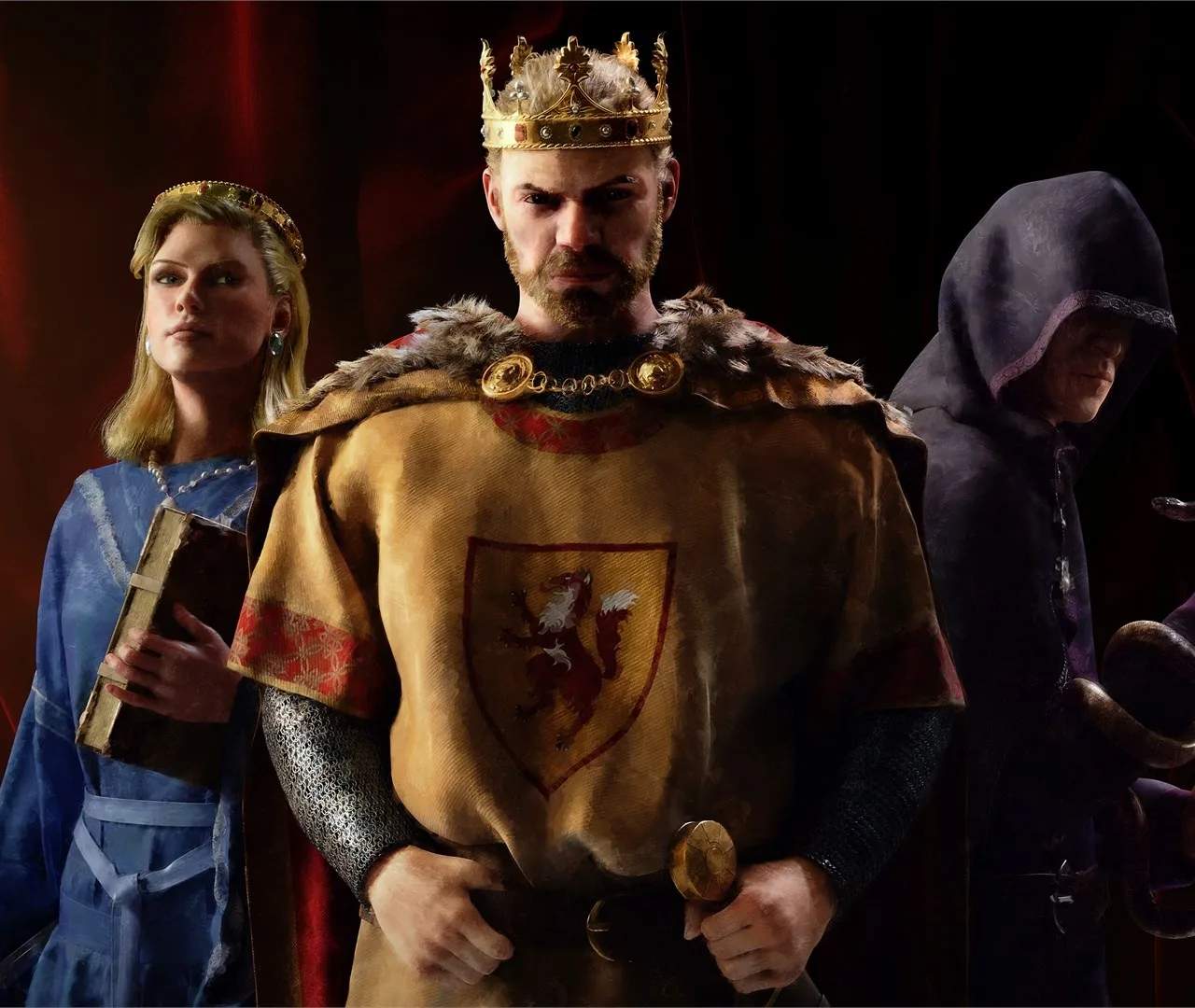
Starting Your Dynasty: The First Steps
Embarking on your Crusader Kings III journey begins with selecting a starting character and a suitable era. The game offers a vast array of historical starting points, from the tumultuous Viking Age to the dawn of the High Middle Ages. For new players, it's often recommended to begin with a smaller, more manageable realm, such as a Duke in Ireland during the 1066 start date. This allows you to learn the fundamental mechanics without being immediately overwhelmed by powerful neighbors or complex internal politics.
Understanding Your Character & Realm
At the heart of Crusader Kings III is your character. Each character possesses a unique set of traits, skills, and ambitions that will shape your gameplay. Your Lifestyle Focus (Diplomacy, Martial, Stewardship, Intrigue, Learning) is crucial, influencing the events and opportunities that arise. Pay close attention to your character's Stress level; high stress can lead to negative traits and even death. Your Realm is represented by your titles, from Duchies to Empires. Managing your vassals, collecting taxes, and raising armies are paramount to maintaining and expanding your power.
The Importance of Succession
Succession is a cornerstone of Crusader Kings III. Your realm will eventually pass to your heir, and the laws governing this transfer are vital. Different succession laws (e.g., Gavelkind, Primogeniture) have vastly different impacts on the stability and size of your realm upon your death. Understanding and manipulating these laws, often through the Realm Tree, is key to ensuring your dynasty's long-term survival and prosperity. Be prepared for potential civil wars or the fragmentation of your hard-won lands if your succession is not carefully planned.