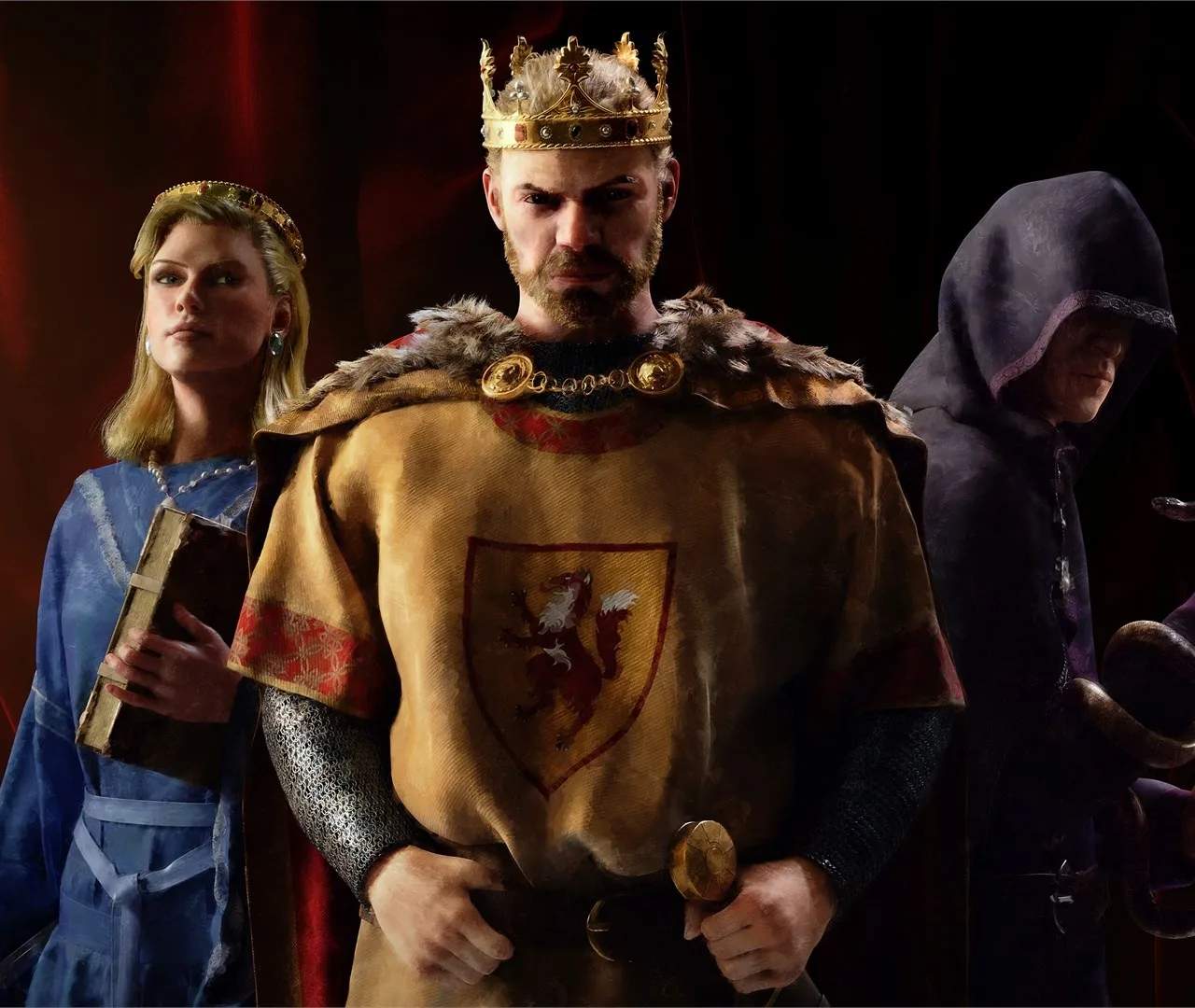
Religion is a fundamental pillar of medieval society and a potent force in Crusader Kings III. The faiths your ruler and your vassals adhere to shape their opinions, drive conflicts, and offer unique opportunities for expansion and stability. Mastering the game's religious systems is essential for any aspiring dynasty.
Major Religions and Their Doctrines
The game features several major religions, each with its own set of doctrines, tenets, and holy sites. These include:
- Catholicism: Headed by the Pope, with a focus on piety and the sacraments.
- Orthodox Christianity: Centered in Byzantium, with a more decentralized structure.
- Islam: Divided into Sunni and Shia branches, with a strong emphasis on jihad and scholarly pursuits.
- Norse Paganism: A collection of Germanic faiths focused on warfare, honor, and the Æsir pantheon.
- Zoroastrianism: An ancient Persian faith with a dualistic worldview.
- Various Indian Religions: Including Hinduism and Buddhism, with their own unique philosophies and practices.
Each religion has specific tenets that influence gameplay, such as whether warfare is permitted against other faiths, the importance of celibacy, or the emphasis on learning. These tenets dictate the available casus bellis (reasons for war) and the diplomatic interactions between rulers of different faiths.
Reforming and Creating New Faiths
Players have the ability to reform existing pagan faiths or even create entirely new heresies or religions. This is a powerful tool for adapting your faith to your dynasty's goals. Reforming a pagan faith requires controlling its holy sites and accumulating significant piety. Creating a new faith involves choosing specific doctrines that al with your playstyle, such as making it more militaristic, egalitarian, or monastic. A well-designed new faith can provide significant advantages in terms of vassal loyalty, military strength, and diplomatic options.
Religious Head and Holy Orders
Many religions have a Religious Head (like the Pope for Catholics) who can excommunicate rulers, grant divorces, and call for Crusades. Controlling or influencing the Religious Head can be a significant strategic advantage. Additionally, most religions have access to Holy Orders – powerful mercenary companies that can be hired to fight in religious wars. These can be invaluable for overcoming numerically superior foes.
Conversion and Religious Strife
The conversion of provinces and characters to your faith is a long-term goal that can bring stability and unity to your realm. Your court chaplains and religious advisors can undertake conversion efforts. However, religious differences are a major source of conflict. Vassals of a different faith will have lower opinions of you, and outright religious revolts can break out. Managing religious minorities within your realm through tolerance or forceful conversion is a key aspect of internal politics.
Pilgrimages and Artifacts
Many faiths encourage pilgrimages to holy sites, which can grant piety, prestige, and powerful buffs. Discovering and controlling religious artifacts can also provide significant bonuses to your ruler and realm. These elements add a layer of depth and role-playing to the religious experience in Crusader Kings III.