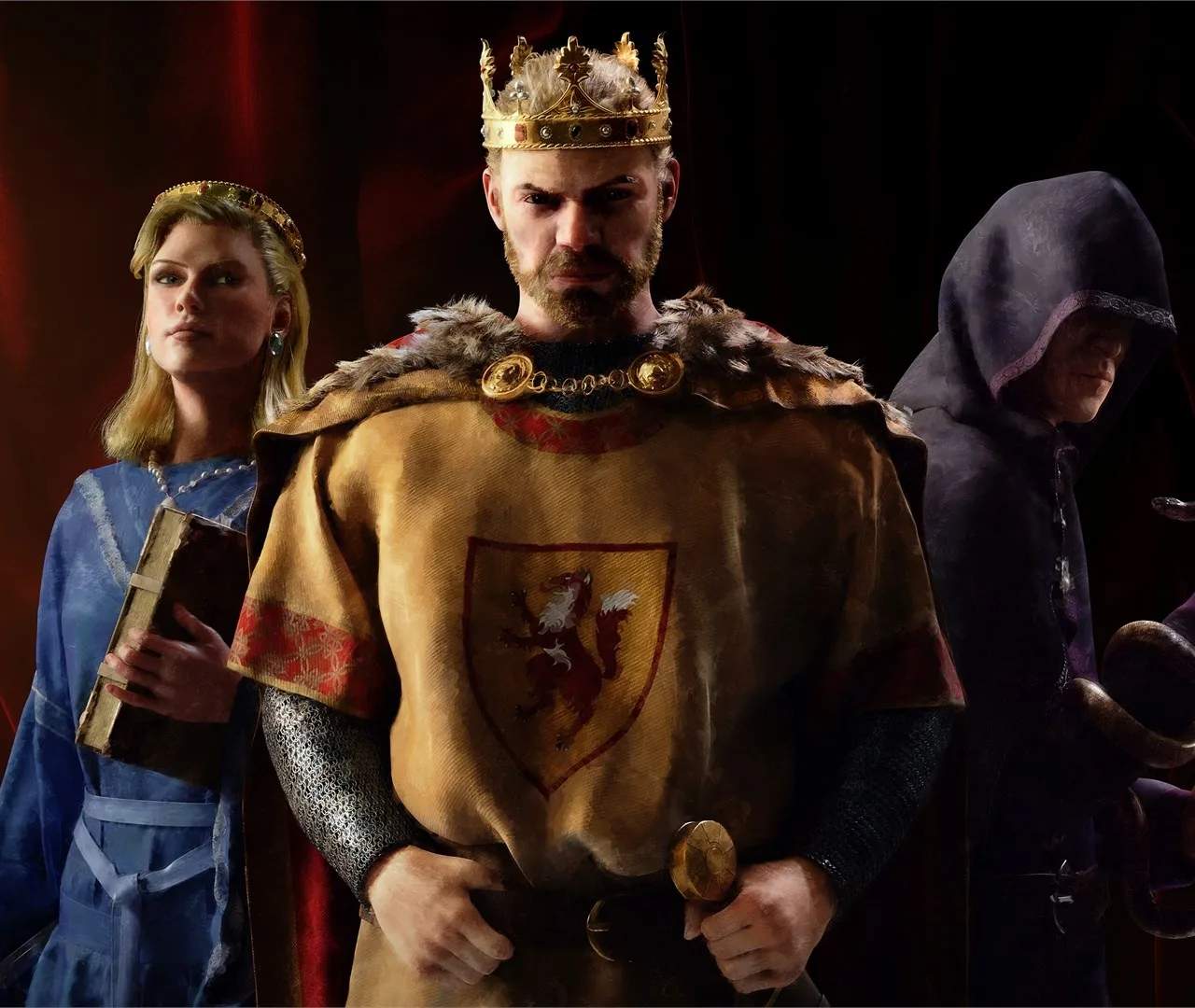
Relationships in Crusader Kings III: Weaving the Social Fabric
Relationships are the intricate threads that bind characters together in Crusader Kings III. From the bonds of family to the rivalries of courtiers and the alliances with fore powers, these connections shape your dynasty's destiny. Understanding the nuances of different relationship types and how to cultivate or sever them is essential for navigating the complex political landscape and achieving your long-term goals.
Types of Relationships
Crusader Kings III features several key relationship types. Family relationships, such as parent-child, sibling, and spouse, are fundamental and often come with inherent opinion modifiers and obligations. Friendships and rivalries are formed through interactions and events, impacting opinion and potentially leading to alliances or conflicts. Vassal-lord relationships are critical for internal stability, with opinion and loyalty being paramount. Finally, diplomatic relationships with fore rulers determine the likelihood of alliances, non-aggression pacts, and marriages.
Cultivating Positive Relationships
Building positive relationships often starts with shared traits, culture, and religion. However, active effort is usually required. For family, spend time with your children, offer support to siblings, and maintain a loving relationship with your spouse. For friends, engage in friendly interactions, send gifts, and offer assistance. For vassals, ensure they are treated fairly, grant them titles when appropriate, and keep their opinion high. For fore rulers, the 'Improve Relations' council task, gifts, and strategic marriages are key.
Managing Negative Relationships and Rivalries
Not all relationships can or should be positive. Rivalries can be a source of conflict, but also an opportunity. If you have a rival, you can engage in hostile schemes, challenge them to duels, or even attempt to assassinate them. However, be prepared for retaliation. For vassals who are consistently disloyal or have low opinions, consider revoking titles (with caution) or imprisoning them. Sometimes, it's best to let a rivalry simmer, waiting for the opportune moment to strike.
Key Relationship Dynamics:
- Family: Parent-child, sibling, spouse bonds.
- Friendship/Rivalry: Formed through interactions and events.
- Vassal-Lord: Crucial for internal stability and loyalty.
- Diplomatic: Alliances, marriages, and pacts with fore powers.
The Impact of Lifestyle and Traits
Your character's lifestyle and traits heavily influence their ability to form and maintain relationships. A character with the 'Diplomat' lifestyle focus will excel at improving relations with fore rulers and vassals. Traits like 'Kind,' 'Generous,' and 'Gregarious' make it easier to form friendships and gain positive opinions. Conversely, traits like 'Cruel,' 'Arrogant,' and 'Deceitful' will make relationships more challenging, often leading to rivalries and low opinions. Understanding your character's strengths and weaknesses in social interactions is vital.