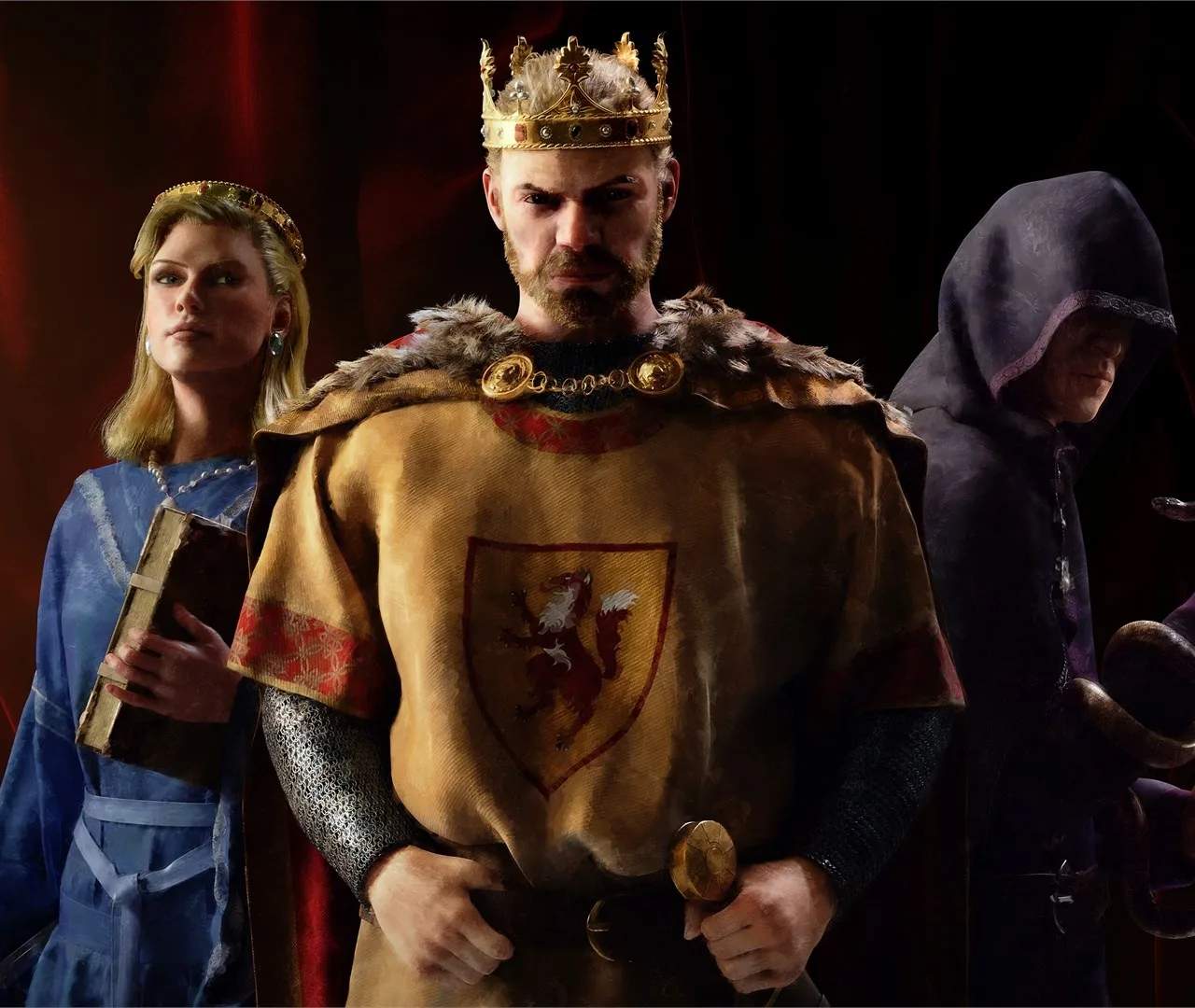
Historical Context and Lore
Crusader Kings III is more than just a grand strategy game; it's a meticulously crafted historical sandbox that allows players to immerse themselves in the intricate tapestry of medieval Europe, North Africa, and parts of Asia. Understanding the historical context and the game's unique approach to lore is crucial for maximizing your enjoyment and strategic depth. Unlike many historical games that focus solely on nations, CK3 places its emphasis squarely on characters and their dynasties, weaving personal drama into the grand sweep of history.
The Medieval Sandbox: A Starting Point, Not a Straightjacket
The game begins in either 867 AD or 1066 AD, two pivotal moments in medieval history. These start dates offer distinct challenges and opportunities:
- 867 AD (The Age of the Vikings): This era is characterized by fragmented realms, powerful tribal societies, and the ongoing Viking incursions. Playing as a Norse character, such as Halfdan Whiteshirt in Northumbria or Ivar the Boneless in the Duchy of Mann & the Isles, allows you to embrace the raiding lifestyle and potentially establish a new kingdom. Alternatively, playing as a Christian ruler facing these threats, like King Charles the Bald of West Francia, presents a different set of challenges centered on defense and consolidation.
- 1066 AD (The Norman Conquest): This start date offers a more established feudal landscape. The Norman Conquest of England, led by William the Conqueror, is a major event you can influence or even reverse. Other powerful figures include Emperor Henry IV of the Holy Roman Empire or the various independent Iberian rulers locked in the Reconquista. This era often involves more intricate feudal politics and religious conflicts.
While these start dates provide a historical foundation, CK3 quickly diverges into alternate histories based on player choices. The game doesn't force you down a predetermined path; instead, it provides the tools for you to forge your own dynastic saga.
Character-Driven Narrative: The Heart of CK3's Lore
The core of CK3's lore isn't found in a static codex, but in the unfolding lives of your characters and their interactions. Every character has a unique set of Traits (e.g., Brave, Scheming, Gluttonous), Skills (e.g., Diplomacy, Martial, Stewardship), and Opinions of others. These elements drive the game's narrative:
- Dynastic Legacies: Your dynasty's long-term goals and accumulated Renown shape its reputation and unlock powerful Dynasty Legacies, such as the Blood Legacy for improving genetic traits or the Glory Legacy for military prowess.
- Religious Doctrines: Religions in CK3 are highly customizable. Understanding the tenets and doctrines of your faith, or even creating a new one, is crucial. For example, a faith with the Warmonger tenet will have easier access to holy wars, while one with Communal Identity might foster greater unity among vassals.
- Cultural Traditions: Cultures evolve and adapt. Your character's culture (e.g., Norse, Frankish, Berber) grants specific Cultural Traditions and Innovations. For instance, a culture with the Warrior Culture tradition will have bonuses to combat, while one with Courtly Intrigue will excel in schemes.
- Events and Decisions: The game is replete with thousands of dynamic events and decisions that reflect the challenges and opportunities of medieval life. These can range from managing a peasant revolt to embarking on a Great Holy War (Crusade or Jihad), or even attempting to Form the Empire of Britannia.
Navigating the World Map and Its Historical Significance
The game's map is a detailed representation of medieval geography, with each county and duchy having historical significance. Pay attention to:
- Strategic Locations: Control of key duchies like Latium (Rome), Constantinople, or Jerusalem carries immense prestige and often religious weight. Coastal counties offer opportunities for raiding and trade.
- Cultural and Religious Borders: These are not static. The Iberian Peninsula, for example, is a melting pot of Christian and Muslim faiths, leading to constant conflict and opportunities for expansion. Similarly, the border between Catholic and Orthodox Christianity in Eastern Europe is a frequent flashpoint.
- Historical Empires: The remnants of the Roman Empire (the Byzantine Empire) and the fractured Carolingian Empire in Western Europe provide fertile ground for ambitious rulers to restore or dismantle historical power structures.
By understanding the historical context and embracing the character-driven lore, you'll be better equipped to navigate the political landscape, forge powerful dynasties, and leave your indelible mark on the annals of Crusader Kings III.